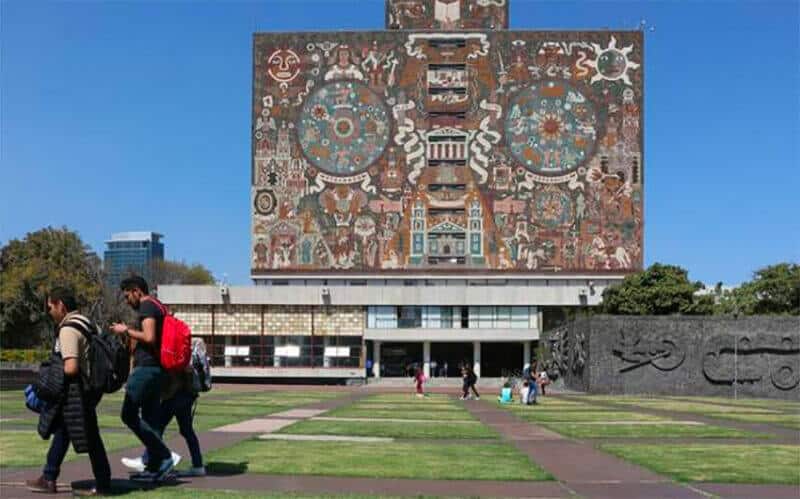
The sprawling campus of Mexico’s National Autonomous University (UNAM) was creeping back to life last week after COVID-19 lockdowns. Students in face masks ambled between faculties, others played Frisbee, while son jarocho fusion music from band practice filled the air.
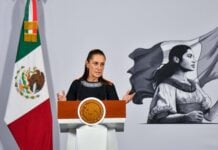
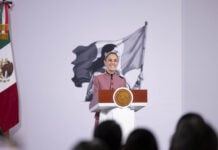
At first glance, you wouldn’t know that the country’s largest university is caught in a political firestorm. Yet President López Obrador, one of its most famous alumni, has accused the institution of lurching to the right and becoming a defender of “neoliberalism,” an insult he levels at many of his opponents.
The attack was surprising. University graduates and students voted in large numbers for López Obrador when he took power in 2018. Many of his cabinet studied at UNAM — a public institution of the kind the president usually favours in a country where, he says, former governments tried to privatize education.
Some fear his outburst was an attempt to silence critics. The rhetoric also serves to bolster his image as a man of the people against intellectual elites. “It’s not about being neoliberal or not . . . everything in the last three years is about AMLO and the way he wants to be portrayed,” said UNAM linguistics professor Sabine Pfleger. “The only aim is to show he is a hero surrounded by enemies and he’s fighting them on every possible level.”
López Obrador’s offensive came weeks after Mexico’s attorney general sought the arrest of 31 academics, members of a government-funded advisory board, several of whom are UNAM alumni. They were accused of funneling public money into a private entity to buy property and vehicles and pay salaries.
Had a judge not denied the warrants, citing a lack of evidence, the group of physicists, economists and others would have been thrown into a maximum-security prison reserved for those who commit the most serious crimes, including drug lord Joaquín “El Chapo” Guzmán, who escaped via a tunnel in 2015.
UNAM rector Enrique Graue called the charges against the academics “an absurdity.” As for the president’s accusations against UNAM, the university said it had always respected different points of view and was committed to turning out socially-minded citizens.

The request for arrests prompted international outcry, with scholars from the U.S. and across Latin America writing in support of the group. One of those targeted, economics professor Gabriela Dutrénit, said the board’s spending was audited internally and externally, and described the case as “irrational” but still an ordeal. Still, prosecutors have vowed to try again.
The president’s diatribes against UNAM, delivered at his daily morning press conferences, and the heavy-handed tactics of the attorney general, appear to some to be a sign of a growing squeeze on dissent. Ana Alegría, an 18-year-old business administration student at UNAM, feared that the president “wants to take away the autonomy of our university.” She added: “It would be difficult, but even so it’s alarming that he has that idea.”
Supporters of the president, who swept to power on an anti-corruption platform, insist his goal is to make society more equal and help the more than 40% who live in poverty. It isn’t hard to find people who sympathize with his rhetoric — he has an approval rating of 64%. He says he respects UNAM’S autonomy.
Since coming to power López Obrador has axed several projects and institutions, claiming they were tainted by corruption. Yet critics say the real targets are often those who challenge the president’s policies, and that as a result anyone who puts their heads above the parapet feels at risk. A regional director at the publicly funded Center for Research and Teaching in Economics lost his job last month after publicly supporting beneficiaries of an academic program that is under threat from the government.
Despite backing from colleagues, Dutrénit said that academia is as polarized as the rest of society; split between those who support the president’s policies and those who don’t. Some academics feared repercussions if they spoke about the subject to the Financial Times on the record. Maybe that’s sign enough of the times.
© 2021 The Financial Times Ltd. All rights reserved. Please do not copy and paste FT articles and redistribute by email or post to the web.