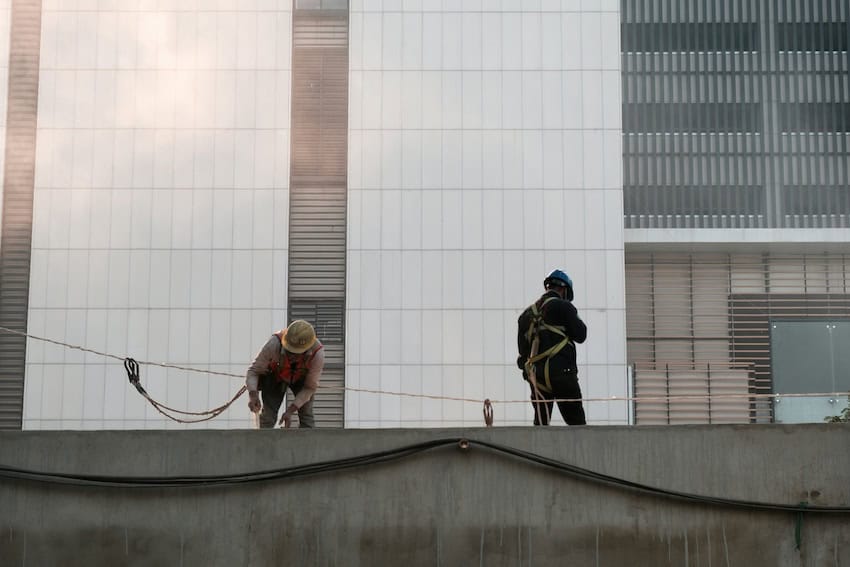
For many people considering property in Mexico, one of the first questions is whether it makes more financial sense to build a home from scratch or buy an existing one. On paper, building often appears to be the less expensive option. Labor costs are lower than in the United States or Canada, and construction estimates per square meter can look appealing when compared to the asking prices of finished homes.
In practice, the decision is rarely straightforward. While building can be cheaper in certain circumstances, real-world experience shows that unexpected costs, delays and disputes are common. Buying an existing home, by contrast, often offers greater predictability, but it is not without its own risks.
Why building looks cheaper on paper
Early comparisons typically focus on construction cost per square meter versus the sale price of completed homes. This approach leaves out a range of expenses that tend to emerge only once a project is underway.
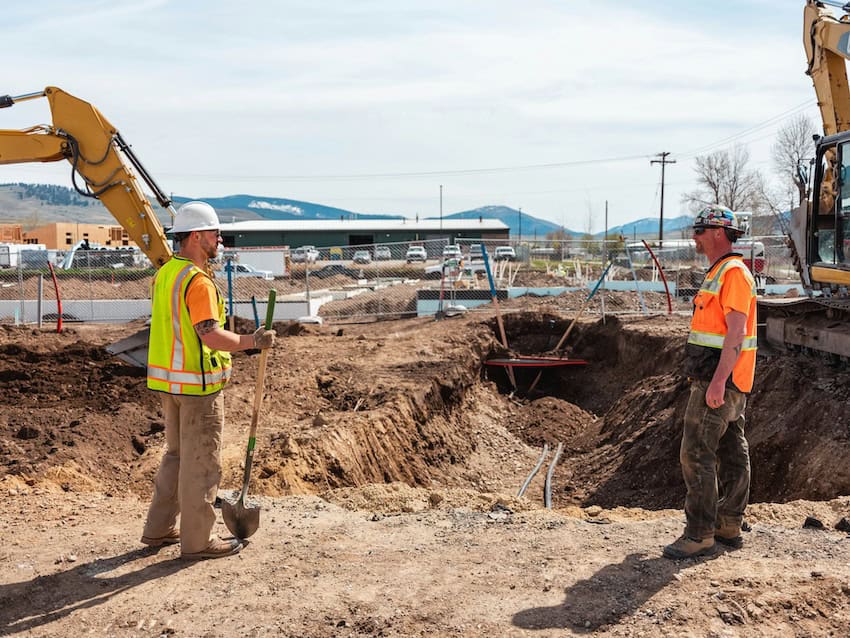
One of the most common surprises involves site preparation. A lot may appear ready to build, only for excavation to reveal extensive rock, large stones or unstable soil. Removing rock or cutting into bedrock requires specialized equipment and additional labor, costs that are rarely included in initial estimates. In several projects, unforeseen site preparation has added weeks to construction timelines and significantly increased overall budgets.
Land services are another frequent source of unexpected expense. Buyers may assume water and electricity connections will be simple, only to discover that trenching, transformers, permits or negotiations with neighbors are required. In some cases, fees are collected for services that are delayed or never fully provided, leaving buyers to resolve issues after construction has already begun.
Disagreements over finishes are also common once a budget is set. Initial estimates often assume basic finishes, while buyers expect higher-quality materials once construction is underway. Tile, cabinetry, windows and fixtures that appear standard to a contractor may not meet a buyer’s expectations. Resolving these differences usually means upgrading materials mid-project, which can quickly push costs beyond the original budget and create tension between owners and builders.
Design and permitting can introduce further complications. A project that appears simple may require revisions to comply with local regulations or structural requirements. While permit fees themselves are typically modest, delays during this phase can halt progress for months. During these pauses, material prices may increase and contractors may take on other work, extending timelines even further.

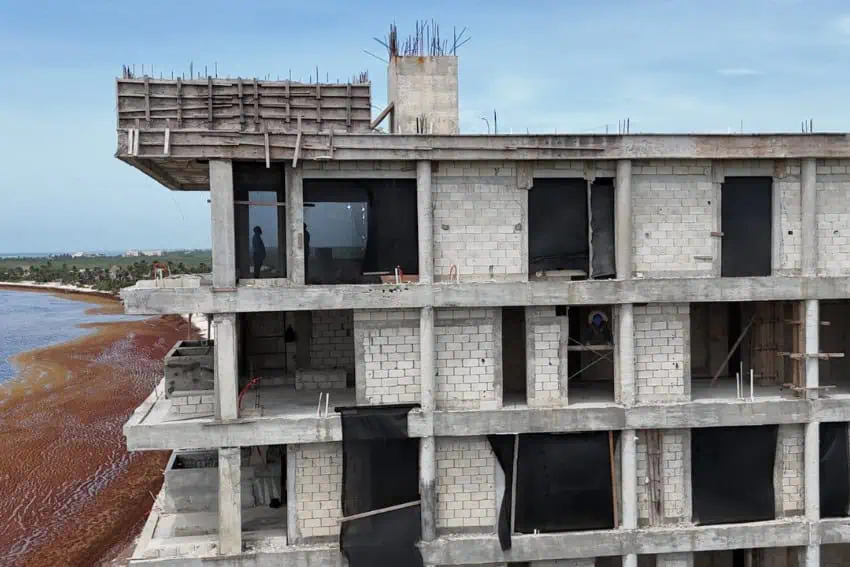
Time is often the most underestimated factor. Construction schedules frequently extend beyond original projections due to weather, holidays, labor availability and supply delays. In some cases, projects expected to take less than a year extend far beyond that. During this time, funds are tied up in construction while owners may continue paying rent or maintaining another property.
The advantages and limits of buying an existing home
Buying an existing home might involve a higher upfront price, but it offers clarity. The purchase price is known, utilities are already connected and permits are in place. The property can be evaluated as a complete package before committing to the purchase.
However, buying a finished home does not guarantee the absence of surprises. Hidden defects such as drainage problems, aging electrical systems, plumbing issues or structural concerns may not be immediately visible. Even with inspections, some problems only become apparent after living in the home through different seasons or weather conditions.
Renovations, if needed, are typically easier to plan than a full build. Even major remodels tend to have clearer scopes and timelines. Improvements can often be completed in phases, allowing costs to be spread over time. In many cases, owners can live in the home while renovations are underway.
So which option makes sense?
Building can be deeply rewarding when done well. Buyers who work with a well-respected architect and a proven construction team — particularly professionals experienced in working with foreign clients — often report positive outcomes. Clear contracts, detailed specifications and realistic budgets can significantly reduce misunderstandings. Many people have built homes in Mexico that meet or exceed their expectations and are genuinely thrilled with the results.
At the same time, building requires patience, involvement and a tolerance for uncertainty. Buying an existing home generally offers a faster path to occupancy, but it does not eliminate risk. Hidden defects and unforeseen repairs can still arise.
The more useful question is not whether building or buying is inherently better, but which approach aligns best with a buyer’s expectations, risk tolerance and level of involvement. Both paths can lead to excellent results when approached with realistic assumptions and the right professional support.
Glenn Rotton is a real estate agent with eight years of experience in San Miguel de Allende. Originally from Seattle, he has lived in Mexico for twelve years with his husband, Kiang Chong Ovalle, and their dog, Angus. Read more about Glenn here.