Mexican airport operator Grupo Aeroportuario del Pacífico (GAP) expects 40% growth by 2030 as it continues a major 52 billion-peso (US $3 billion) expansion and improvement program.
Through its 2025-2030 Master Development Plan (PMD), GAP will be expanding its 12 airport terminals, growing its overall infrastructure by 58%. By the end of 2029, its four largest airports — Puerto Vallarta, Guadalajara, Tijuana and Los Cabos — will have expanded by 134%, 91%, 47% and 37% in square meters, respectively.

GAP plans to allocate 13 billion ($752 million) of the 52 billion pesos in 2026.
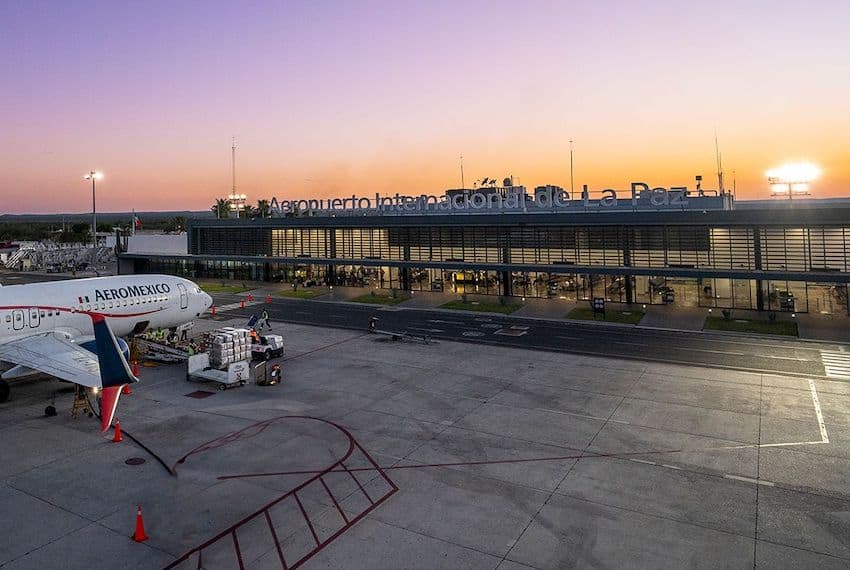
The firm will invest a projected 26 billion pesos ($1.5 billion) in Mexico’s western Guadalajara and Puerto Vallarta airports, 11.4 billion pesos ($659 million) in the U.S. gateway airports of Tijuana and Mexicali, and 8 billion pesos ($463 million) in the Los Cabos and La Paz airports in Baja California Sur, GAP’s CEO, Raúl Revuelta, announced in a Tuesday press conference.
“We want modern infrastructure that develops connectivity, improves the passenger experience and incorporates new technologies such as facial recognition and license plate reading for ticketless parking,” said Revuelta.
GAP will equip Tijuana airport with a Category 2 Instrument Landing System in June, allowing aircraft to land safely in low-visibility conditions. Felipe Ángeles International Airport and Toluca International Airport are currently the only Mexican airports with this technology.
Revuelta expects the investments to grow GAP’s passenger numbers to up to 85 million a year by 2030, across its airports in Mexico and Jamaica, compared to 66 million in 2025. The jump will be mostly driven by increased passenger traffic at Guadalajara airport, particularly during the 2026 FIFA World Cup, as well as the tourism boom in beach destinations.
“We are seeing that the tourism sector is driven by hotel room construction, and that is happening [in] Los Cabos, La Paz and Puerto Vallarta,” Revuelta told the newspaper El Financiero.
While travel demand from the United States has waned due to the Trump administration’s strict immigration policies, Canadian tourism to Mexico has grown over the last year, as Canadians look to alternative North American sun-and-sea destinations.
“It was an opportunity for the Canadian market to take notice of us more aggressively,” said Revuelta.
That notice was demonstrated recently at the International Tourism Fair (FITUR) in Madrid, Spain, where Baja California Governor Marina del Pilar Avila Olmeda secured the upcoming launch of a new Tijuana-Vancouver air route.
With reports from El Financiero, Reforma, T21 and La Jornada