Mexico’s main beach destinations will face a challenging summer season as airline occupancy from the United States is reduced by nearly 1 million seats, according to an analysis by the Center for Advanced Research in Sustainable Tourism (STARC).
The report estimates that airlines from the U.S., the most important international market for Mexican tourism, will offer 989,000 fewer seats to Mexican beach destinations in July and August — down 21.5% compared to last year, with Cancún, Cozumel and Tulum alone losing 561,000 seats and nearly 3,000 flights.
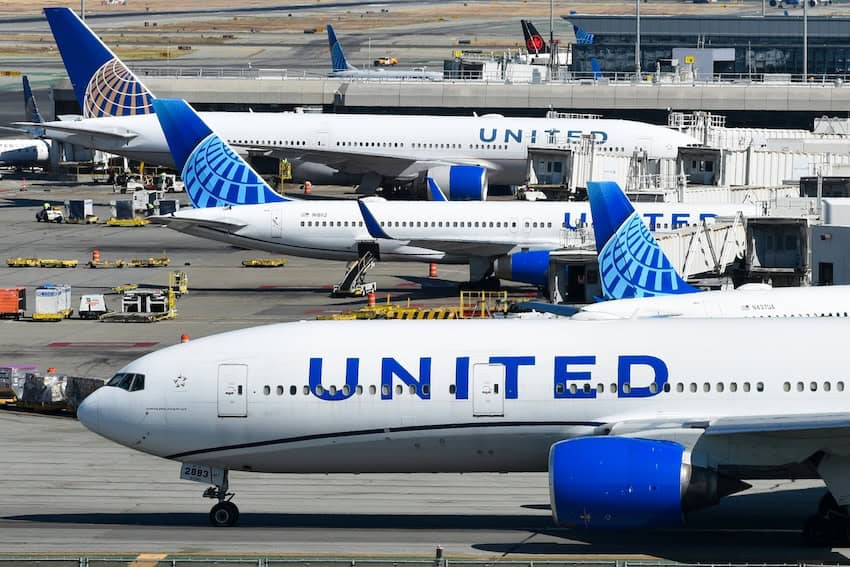
Airlines that have reduced their schedules include American Airlines, which cut seats to Mexican beach destinations by almost 15%, and United Airlines, which reduced its seat capacity by nearly 17%.
Meanwhile, Spirit Airlines’ exit from the market left an additional gap of approximately 165,000 seats to the Mexican Caribbean.
Rising jet fuel prices linked to the U.S./Israel-Iran war may also be weighing on airlines. The Associated Press reported that American Airlines cited soaring jet fuel prices as a key reason behind its capacity reductions.
“We have a market that is suffering,” Francisco Madrid, head of STARC at Anáhuac University Cancún, said.
The World Cup also affected seat offerings to Mexican beach destinations.

The newspaper El Financiero reported that airlines increased their capacity to the three World Cup venues during June and July at the expense of beach destinations, which suffereda 3.6% reduction as a result.
A challenging summer for the Mexican Caribbean
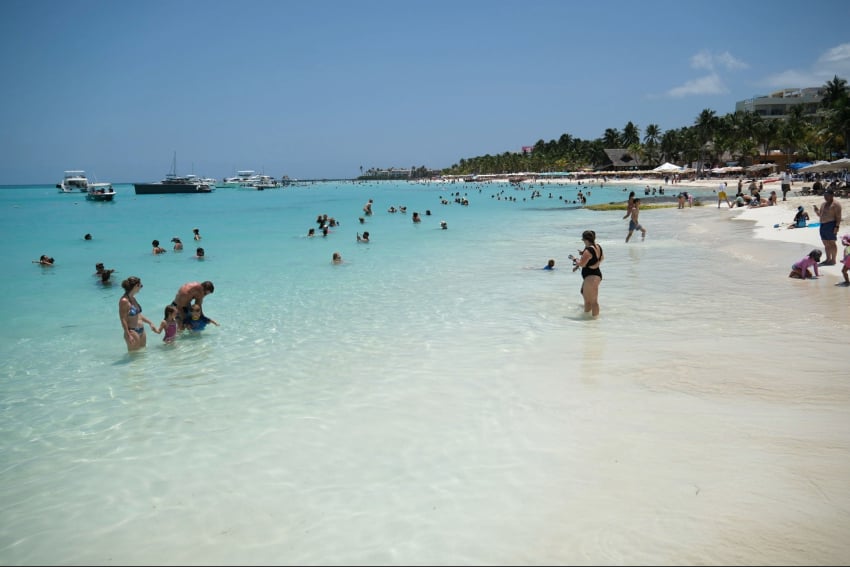
Beyond the reduction in seat capacity and Spirit Airlines’ exit, the Mexican Caribbean is bracing for a significant decline in international tourism this summer due to heavy sargassum on its beaches, safety concerns, rising ticket prices and the effects of U.S. President Donald Trump’s immigration policy.
The STARC report also points to changing travel trends. While U.S. travelers continue to go abroad, an increasing number are choosing Europe and Asia over Mexico.
Industry experts explained that all these factors combined have caused Mexico to lose approximately 60,000 international travelers per month.
Meanwhile, tourism revenue has been tempered as visitors are spending less due to the strong peso. “Having more tourists who spend less is not ideal,” Cosío noted.
With reports from Noticias Yahoo and El Financiero