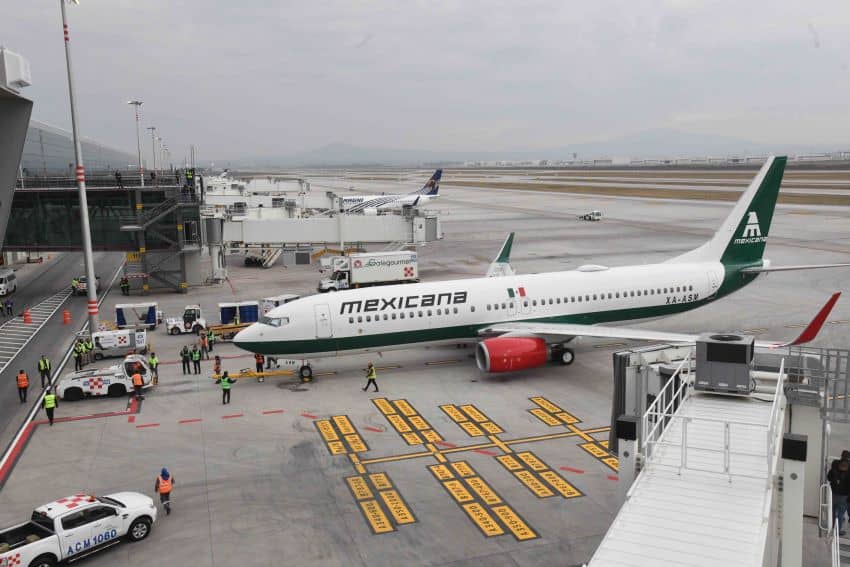
Felipe Ángeles International Airport (AIFA) near Mexico City saw a record number of passengers in January then again in February, as reported by the Ministry of Defense (Sedena), which runs and manages the airport.
In January, AIFA received 328,906 passengers, 76.2% more passengers than in the same month last year and the most it has received since its inauguration on March 21, 2022. In February the numbers climbed even higher, with 353,791 passengers reported to have used the México state airport.
February also marks the fourth consecutive month of increases for AIFA, one of President Andrés Manuel López Obdrador’s flagship projects. Since its inauguration just over two years ago, the AIFA has served 4.2 million passengers.
The AIFA was built on the site of the Santa Lucía air base north of Mexico City, to alleviate congestion at Mexico City International Airport (AICM), the country’s busiest airport, which has been plagued by deteriorating infrastructure and overcrowding. However, the AIFA’s passenger volume in January represented only 8.6% of the passenger traffic of AICM during the same period.
The January figures reported by the AIFA indicate that it continues to primarily serve domestic flights, with 309,000 passengers traveling to and from destinations within Mexico.
The airlines operating at AIFA include Volaris, VivaAerobus, Aeroméxico, Mexicana de Aviación (which is based at AIFA), Magnicharters, Arajet, Conviasa and Copa Airlines. The destinations serving the highest passenger demand include Cancún, Guadalajara, Tijuana, Monterrey, Oaxaca, Mérida, San José del Cabo, Acapulco and Veracruz.
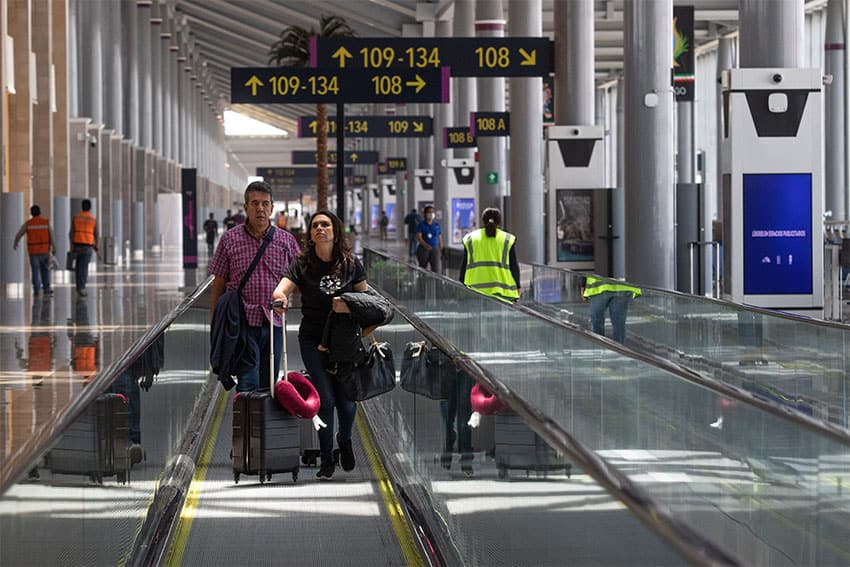
In contrast, only 5.8% of the airport’s passengers traveled on international routes.

One of the newest international routes from AIFA is Aeroméxico’s direct flight to McAllen, Texas, which marks the airline’s second international route from AIFA. The other route connects to Houston with daily service.
To increase the number of passengers flying through AIFA, Aeropuertos y Servicios Auxiliares (ASA) provides bus and van transportation from the AICM. The government also plans to open more passenger bus routes and eventually exempt toll booth payments to reach its facilities.
As for cargo flights, the AIFA has increased its cargo operations since they were transferred to it through a presidential decree. In January, the airport saw 33.4 million kilograms of cargo, the majority (23 million kilograms) of which was on outbound flights.
However, there have been complications in cargo operations to and from AIFA, as airlines continue to transport cargo by road from Mexico City International Airport (AICM).
With reports from El Economista, El Financiero and Reportur