
Last year was historic for tourism in Mexico. According to the Ministry of Tourism’s latest figures, 2025 closed with record numbers, thanks to the arrival of more than 47.8 million international tourists. This translates, according to the Ministry, to a 6.1% increase compared to last year — the highest this century.
The figures were so impressive that the Secretary of Tourism, Josefina Rodríguez Zamora, stated in a press release that “Mexico is entering 2026 with a strengthened and competitive tourism sector, firmly positioned to capitalize on major international events.” And this could be a perfect opportunity for the federal government, on the eve of the 2026 FIFA World Cup.
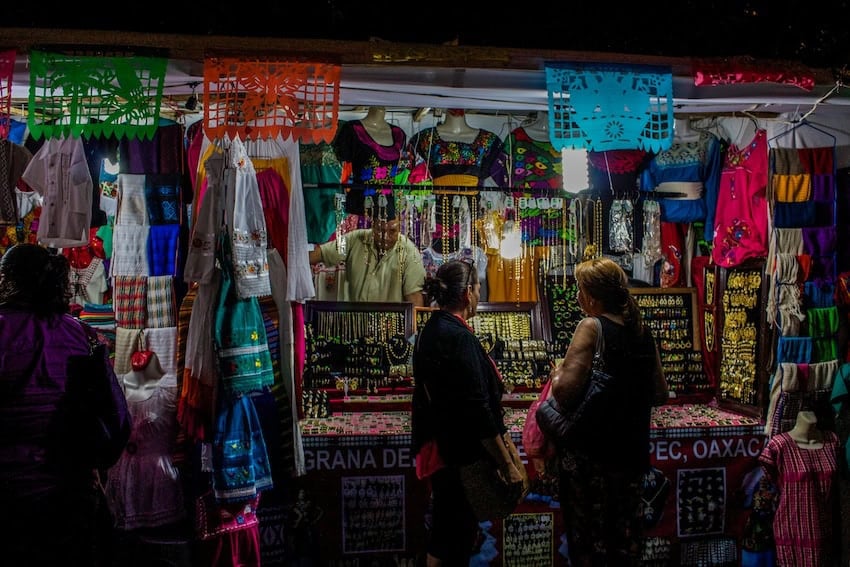
However enthusiastic we might feel about these figures, these activities have had an undeniable social, economic and environmental impact. Enter regenerative tourism, the even more enthusiastic approach to dealing with the challenges that this growth entails in Mexico.
What is regenerative tourism, exactly?
First of all, regenerative tourism is more than simply refraining from littering the streets of the cities we visit. The Global Sustainable Tourism Council (GSTC) considers this a broader and more holistic travel practice.
Following the GSTC’s definition, regenerative tourism “seeks to leave destinations in a better state than they were found.” This new perspective draws inspiration from regenerative agriculture, a contemporary practice focused on restoring native ecosystems.
Beyond merely minimizing harm, such as polluting the Bacalar Lagoon with sunscreen, this practice aims to increase “positive impacts alongside reducing negative ones,” as outlined in the GSTC Criteria. This translates to contributing to the workforce, economy and communities of the destinations we choose to visit — and not just avoid harming their natural environments or disregarding their customs to favor our own.
So no, regenerative tourism does not aim to generously tip your local waiters or restaurant owners. It’s way more than that. Lethabo-Thabo Royds, content program coordinator at the World Travel & Tourism Council, thinks of this new travel approach as “the next step in our sustainable travel journey,” given that “as travelers, we have a huge impact on the world around us.”

Regenerative tourism vs. sustainable tourism: key differences
Regenerative tourism has received a heavy wave of criticism due to its lack of applicable and concrete guidelines, as the GSTC acknowledges. Not only that. It seems that this new approach to travel has had no substantive change or positive impact on local communities and businesses. That’s why, too, the term is often misused or confused with the so-called “sustainable tourism.”

Sustainable tourism encompasses practices that promote sustainability across the industry. It is defined as “tourism that fully considers its current and future economic, social and environmental impacts, while addressing the needs of visitors, the industry, the environment and host communities.”
Regenerative tourism, however, focuses mainly on restoration. It not only aims to avoid harm, but to “create the conditions for life to thrive,” as explained by the BBC’s Tourism Sustainability Network.
To ensure long-term viability, the GSTC proposed the three Ps: People, Planet and Profit, referring to the positive impact tourists could have on communities, the environment and local businesses alike. There are now global certifications that massive hotel chains can apply to — if they comply with certain guidelines.
Beyond pretty certificates … can tourism really restore living conditions in host countries, like Mexico?
A postcolonial point of view in the Mexican context
Last year, a reader wrote a fantastic comment in one of my travel articles, pointing out that it promoted “gentrification and the continued displacement of Mexican people.” Honestly, I can’t blame them.
We’ve already established regenerative tourism’s intent “to leave things better than they were.” Now, were things “bad” or “wrong” as they were? Andrey Núñez Kozlova, human rights specialist at UNAM, thinks otherwise.
Despite Royds’s enthusiasm, there is a rather sinister side to these allegedly “restorative” practices. Núñez has dedicated his doctoral studies to the postcolonial theory, which, in a nutshell, denounces the abuses of the West — understood as the hegemonic power — over everything it considers exotic and foreign.
How does this apply to regenerative tourism? Núñez thinks this fits “with the colonial mindset,” given that “massive hotel companies are mowing down the jungles of Southeastern Mexico.” These activities have way more impact than those that could possibly be done by individuals. “This is nothing compared to what the government and its institutions can do,” the human rights specialist told Mexico News Daily in an interview.
The road paved by good intentions
Moreover, there’s a problematic innuendo to these practices. “It is as if tourists from the global north came to teach us (locals) how to behave and take better care of our own resources, when the Indigenous populations have been the ones to safeguard them.” Delving deeper into this, Núñez thinks that this way of thinking suggests that the individuals are to blame, while “disregarding the root problem.” Namely, a healthier public policy that addresses the human and environmental rights of communities that receive tourism in Mexico. “Problems regarding deforestation and corruption should be matters that are resolved locally, by strengthening democracy.”
Don’t get me wrong. Tourism is a fundamental pillar of the Mexican economy, directly employing nearly 5 million people and contributing approximately 8.7% to the national GDP. Not only that, but this industry is the leading employer of young people and women in the country, making its economic and social importance undeniable. But not everything is flowers and rainbows when it comes to tourism in Mexico.
However, seen in this light, regenerative tourism might seem like an easy, almost palliative, way out for complex power structures at play. “The road to Hell is paved with good intentions,” concludes Núñez Kozlova.
Andrea Fischer contributes to the features desk at Mexico News Daily. She has edited and written for National Geographic en Español and Muy Interesante México, and continues to be an advocate for anything that screams science. Or yoga. Or both.