Mexico City officials have implemented water restrictions in 284 neighborhoods, across 10 of the city’s boroughs. Residents in these areas will now only receive water on certain days of the week and for limited periods of time, according to municipal authorities.
These neighborhoods represent roughly 15% of the capital’s 1,837 neighborhoods. Affected areas are mostly located in the boroughs of Iztapalapa, Tlalpan, and Gustavo A. Madero.
To compensate residents for the water shortages, the local government announced discounts of up to 95% on water bills.
Some of Mexico City’s most affluent neighborhoods, including Polanco and Lomas de Chapultepec, are among those affected by the water shortages.
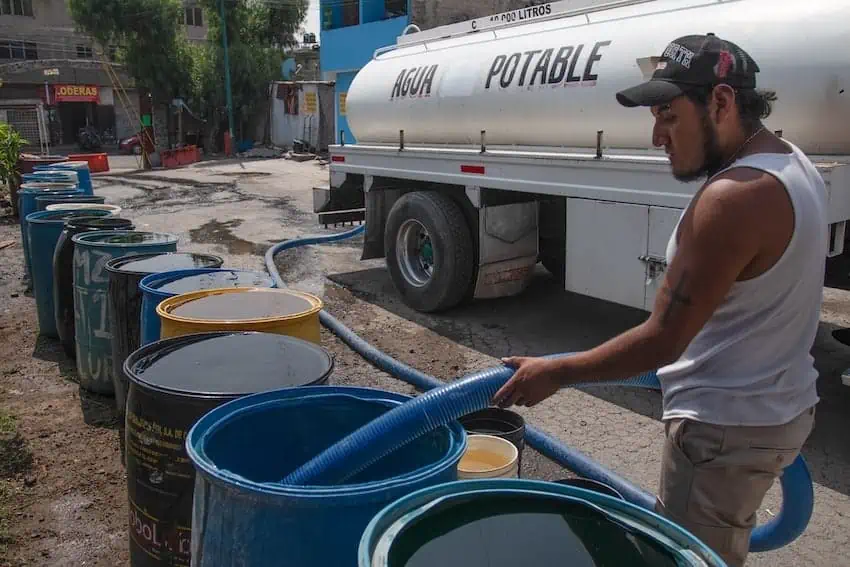
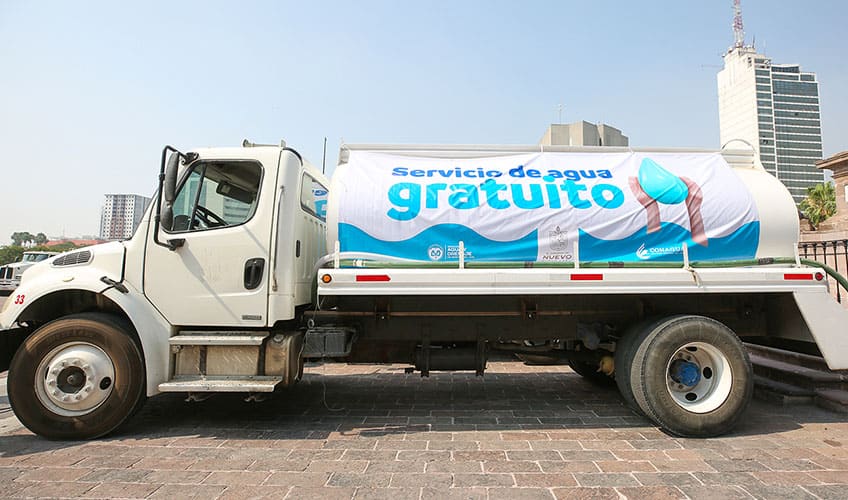
Residents of Polanco told newspaper Excelsior that this water shortage is like “nothing they’ve experienced before.” They have been without water supply for six days and rely on tanker deliveries that take several days to arrive.
The water crisis has also reached Polanco’s public schools, and authorities have called on parents to keep their children at home, as schools cannot provide clean water to pupils.
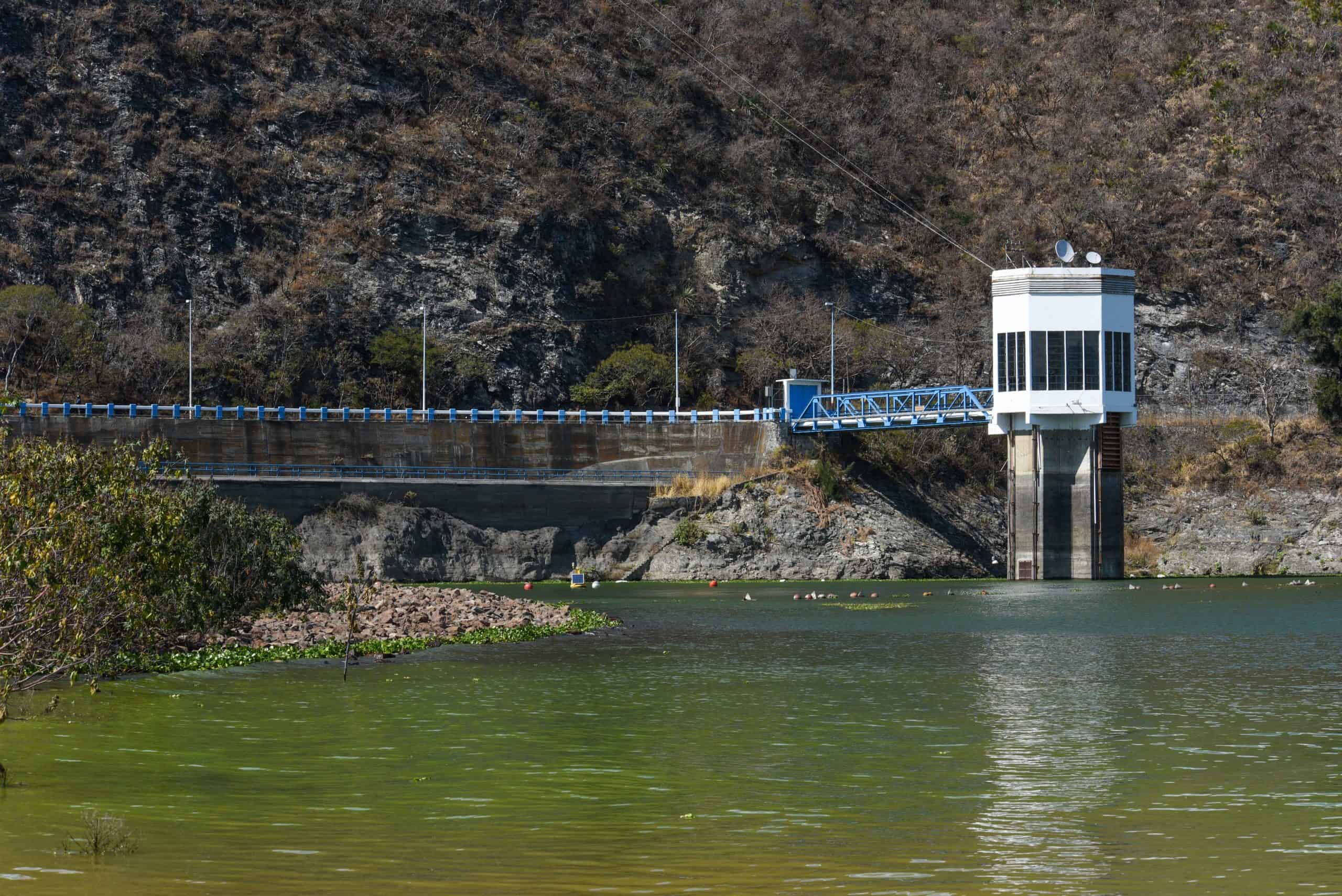
According to Excelsior, although residents in Polanco have previously been notified of shortages due to problems with the Cutzamala dam system that supplies water to over 20 million residents of Mexico City and the Valley of México, they weren’t warned this time.

According to the National Water Commission (Conagua), in late 2022 the Cutzamala system supplied 14,100 liters of water per second. However, due to the recent reduction in water levels, this has now been reduced to 8,400 liters per second — a decrease of approximately 40%.
The most significant water supply cut came in November last year when Conagua implemented an almost 25% reduction in Mexico City and México state, in response to the abnormally low water levels in the Cutzamala reservoir.
Martí Batres, Mexico City’s mayor, said that an 800 million peso (US $46 million) investment by city authorities aims to increase water supply to 2,000 liters per second by May.
Batres called on residents in the capital to “change water consumption patterns and prioritize human consumption.” He recommended that non-essential activities, such as watering gardens, washing cars, patios, and sidewalks, be avoided, and water usage be minimized in homes. Additionally, he asked residents to detect, repair, and report any leaks both inside and outside of homes, as well as on public roads.
With these measures, the Mexico City government hopes to reduce water consumption by 10%.
With reports from La Jornada, Excélsior, Imagen Radio and Reforma