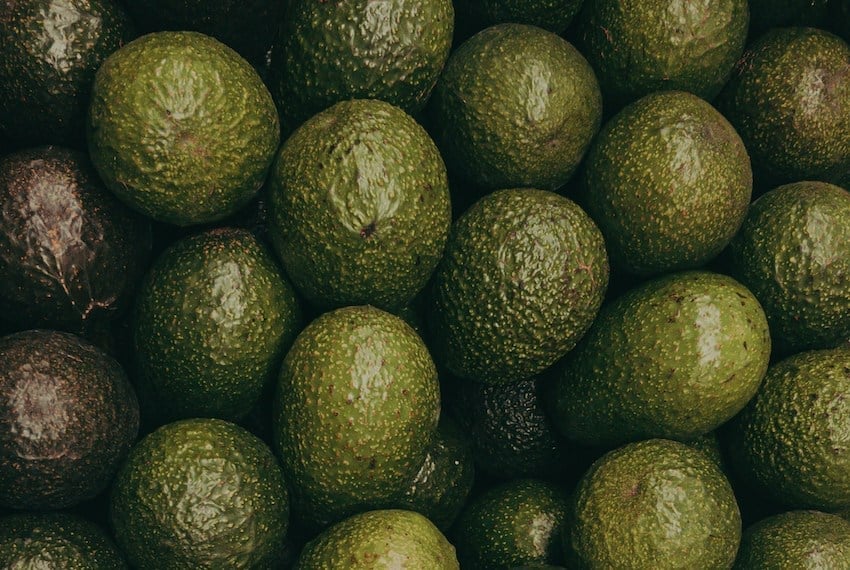
Mexican avocado exports have rebounded strongly in 2026, cementing the Mexican fruit as a cornerstone of the country’s agricultural exports and strengthening Mexico’s status as the world’s leading supplier of avocados.
According to recent data from the Agriculture and Rural Development Ministry (Sader), shipments to the United States grew by approximately 35% during the first three months of the year (Q1), rising from around 370,000 to over 501,000 tonnes.
In March alone, Mexico sent 148,511 tonnes of avocados to the U.S., up 57% compared to the same period last year.
According to Sader, these results reflect the dynamism of the U.S. market and “the competitiveness of the avocado supply chain, driven primarily by the effort and commitment of producers, packers, exporters and authorities to ensure compliance with the highest standards of quality, plant health and food safety demanded by international markets.”
The increased demand positioned Mexican avocados as the country’s second-largest agri-food product exported to the U.S. last year, just behind beer, with a value exceeding US $3.6 billion and accounting for 8.1% of Mexican agri-food exports to that market.
Sader noted that this surge has fueled the economic development of Mexico’s primary avocado producers, spearheaded by Michoacán, Jalisco, México state and Nayarit.
The growing preference among U.S. consumers for “superfoods,” combined with the popularization of avocados in everyday dishes, has strengthened the bilateral agricultural trade relationship.

Can Mexico satisfy the US appetite for Super Bowl guacamole?
The surge is also attributed to seasonal demand linked to major sporting events, particularly the Super Bowl, during which avocado consumption skyrockets each year.
In the run-up to the NFL championship game, Mexican exports typically hit record highs, driving up shipments during the early months of the year. This is combined with the expansion of cultivated acreage and the adoption of advanced technology in producing states like Michoacán and Jalisco, which have improved yields and fruit quality.
With reports from El Economista and El Universal