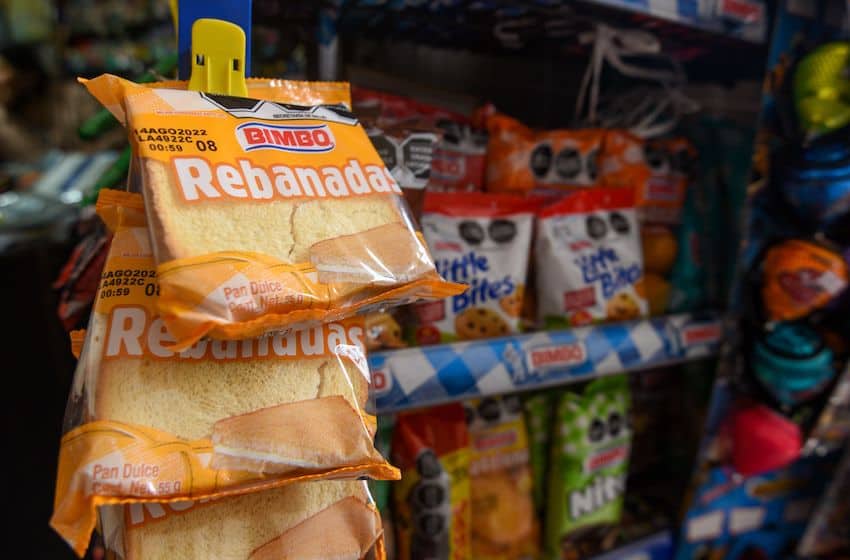
Mexican baker Grupo Bimbo has filed a lawsuit in the United States against multiple import tariffs imposed by President Donald Trump.
The suit claims that Trump’s imposition of the tariffs under the pretext of an “economic emergency” was unconstitutional. It also seeks an order for the reimbursement of all tariffs already paid.
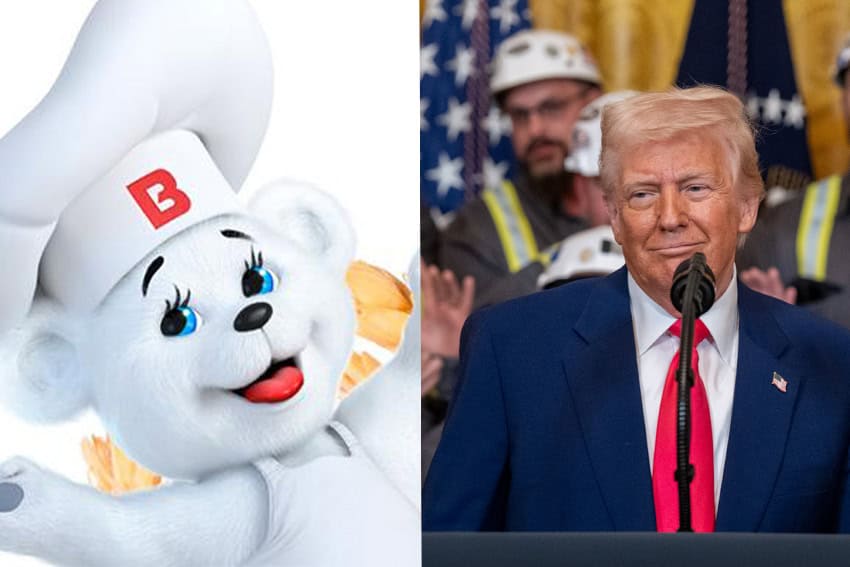
Bimbo’s lawyers did not mention in their lawsuit the amount of money the group has already paid in tariffs and wants back.
The document was filed on Dec. 16 before the International Trade Court (USCIT) in New York by Grupo Bimbo and its subsidiaries Bimbo Bakeries USA, Bimbo Bakehouse, Barcel USA LLC and St. Pierre Groupe LLC.
Specifically, the suit challenges the 25% tariffs applied in February against Mexico and Canada on products that are not covered by the United States-Mexico-Canada free trade agreement (USMCA).
Trump’s government activated the tariffs on a wide range of imports from Mexico and Canada to exert pressure on immigration and trade balance issues.
Bimbo’s claim is based on U.S. statutory law and the Constitution. In May, the USCIT ruled that the U.S. president does not have the authority to impose tariffs across the board under the International Economic Emergency Powers Act (IEEPA) or the National Emergencies Act (NEA). That ruling was upheld by the Federal Circuit Court of Appeals and is currently under final review by the U.S. Supreme Court.

The Supreme Court’s final decision could redefine the balance between executive power and the legal framework of international trade.
Bimbo in the US market
Bimbo maintains a substantial footprint with 43 brands and approximately 60 bakeries operated by Bimbo Bakeries USA, ensuring that most bread and pastries sold in the U.S. are produced domestically. This localized production structure means the tariffs directly affect only a small portion of the company’s U.S. business—less than 10% of its American revenue comes from Mexican imports, according to company statements.
Despite this insulation from direct tariff impact, Bimbo’s North American sales have faced headwinds, declining 5% in the third quarter to 47.47 billion pesos ($2.57 billion). The company attributes this softness to changing U.S. consumer behavior, with shoppers increasingly polarized between value-seeking and premium product preferences amid broader economic pressures.
With reports from Food Business News and Vanguardia