Driverless trucks, which are already operating along key Mexico-U.S. border crossings in Texas, could soon be deployed in other areas along the border, thanks to new regulations recently announced by the California Department of Motor Vehicles.
The new rules authorize manufacturers to test and commercially deploy autonomous heavy-duty trucks on state highways.
The move opens the door to the mass deployment of autonomous freight vehicles in the largest and most influential market in the U.S., with direct implications for the future of the sector in Mexico.
In Texas, driverless trucks operate on highways connecting Laredo, El Paso, Dallas-Fort Worth and Houston, and even ferry goods across the border into Mexico.
While trade between Mexico and the U.S. has reached historic levels, this new variable is poised to have a significant impact on cross-border exchange, altering the speed, cost and logistics of Mexican foreign trade.
And coming at a time when the transportation industry is confronting a shortage of operators in both Mexico and the U.S., automation is fast becoming the favored solution.
One country is winning the US-China trade war: Mexico

The Swedish startup Einride, for example, already operates fully autonomous electric trucks without a cab (no steering wheel or driver’s space) in Texas.
Yet the adoption of autonomous driving technology in Mexico is still years behind U.S. regulations, suggesting the technological gap will initially affect the Mexican industry’s competitiveness in the North American corridor.
While companies in the U.S. are ratcheting up production plans (it is expected that there could be thousands of driverless trucks on the road by 2027), Mexico is battling to catch up.
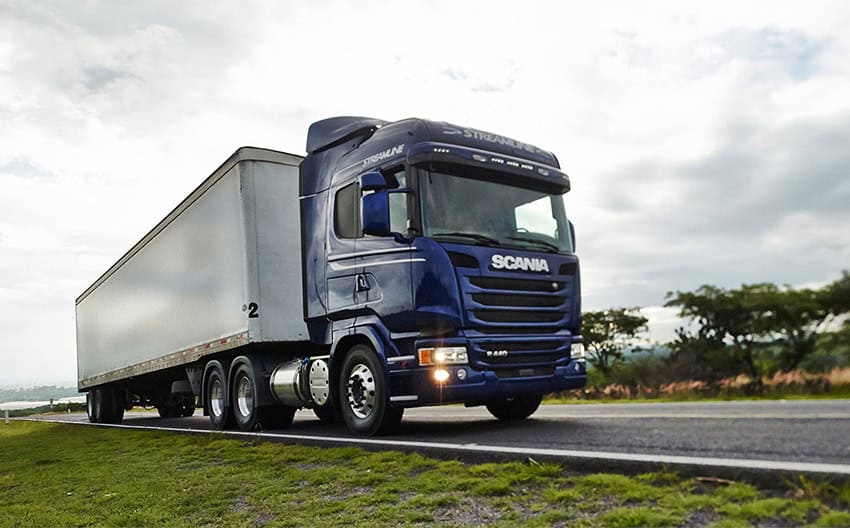
On Mexico’s side, Cargo truck producer Scania México is developing autonomous vehicles for the Mexican market, and is currently testing its vehicles on public roads in Europe using safety drivers.
Also, Daimler Truck México and Trayecto have launched an electro-mobility ecosystem using the eCascadia, a state-of-the-art electric tractor-trailer capable of autonomous-ready features.
Although neither is ready to put their vehicles on the market in the short-term, it is hoped that the nearshoring boom and the expansion of cross-border pilot programs will stimulate rapid growth.
Other complementary projects are underway. Green Corridors — a Texas-based company — is planning a 265-kilometer elevated “guideway” for autonomous freight shuttles between Laredo and Monterrey that has a 2031 inauguration target date.
A 2025 Polaris Market Research study projected that Mexico’s autonomous trucks market would grow from US $651.8 million last year to more than US $1.55 billion by 2034.
With reports from El Financiero, Transporte.mx and IMARC Group