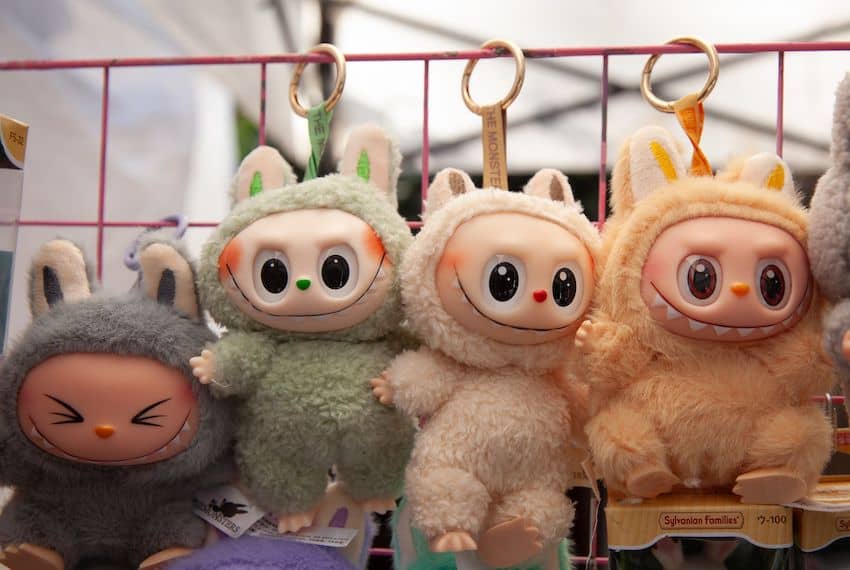
The Chinese toy company Pop Mart International Group has begun manufacturing its globally coveted Labubu collectibles in Mexico, marking a major supply-chain expansion aimed at boosting its presence in the United States.
The company confirmed Monday that a new partner-run plant in Mexico is now operational, joining recently added facilities in Cambodia and Indonesia.
Labubu in NYC Macy’s Thanksgiving Day Parade!
Pop Mart International Group Ltd – thumbs up or thumbs down?
I think they did a great job! pic.twitter.com/bPxbkltv9w
— Walks&WallStreet (@WalksWallstreet) November 27, 2025

“This partner-led network increases supply capacity and enables timely and universal access to new products for consumers around the world,” a Pop Mart spokesperson told Bloomberg News.
Pop Mart — which relies on outsourcing to contract manufacturers rather than owning its own factories — said the move is part of its strategy “to expand and strengthen our supply chain,” according to a statement cited by Reuters.
The move into Mexico puts Labubu toys closer to U.S. customers, with shorter shipping times and potential tariff advantages.
This nearshoring setup is expected to bolster Pop Mart’s plans to double its number of U.S. stores this year from the 60 it has going in, supported by more than 100 robotic “roboshop” vending machines.
The expansion follows Labubu’s meteoric rise in 2025, when the sharp-fanged, plush “monster” dolls — originally illustrated by Hong Kong artist Kasing Lung for his “The Monster” books — were named Hypebeast’s Product of the Year for triggering “genuine consumer frenzies around the world.” Hypebeast is a media company that covers streetwear, sneakers, fashion, art and related trends.
Labubu first gained traction when it became a hit with Chinese toy collectors in 2016, then became a global pop-culture phenomenon endorsed by celebrities such as pop superstar Lady Gaga and Japanese-born tennis player Naomi Osaka. Early interest from K-Pop star Lisa (who played “Mook” in season 3 of “The White Lotus”) helped stoke the doll’s initial popularity rise in Asia.
Labubu toys are usually sold in “blind boxes,” which means consumers don’t know which specific figure is inside, creating a lottery-like thrill when they open the box.
The doll’s popularity is tied to this format as collectors buy multiple boxes to “chase” specific designs or rare characters, which in turn fuels hype.
All of this has helped Pop Mart’s profits soar, lifting revenues 250% in the third quarter of 2025 compared to the same July-September period in 2024, with sales in overseas markets rising by up to 370%, according to Bloomberg.
But investors have grown wary that the phenomenon is fading.
Pop Mart shares have fallen about 40% from their August peak amid signs of cooling reseller demand and warnings from analysts that the craze may mirror the 1990s Beanie Babies bubble, when speculative buying led to a sharp collapse in resale values.
With reports from Bloomberg, El Economista and Expansión