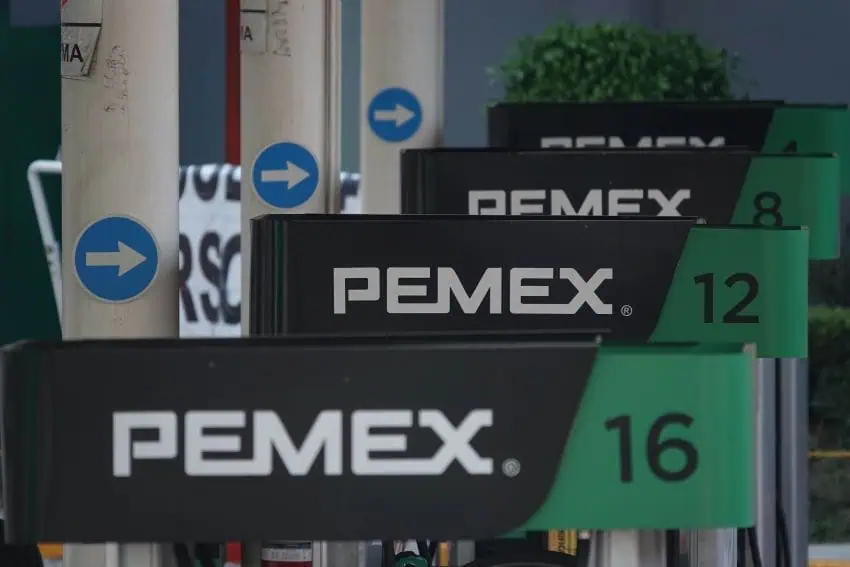
Norway’s US $1.8-trillion sovereign wealth fund, the world’s largest, has sold all of its fixed-income investments in Mexico’s state-owned Petróleos Mexicanos (Pemex), it announced on Sunday. It cited a lack of transparency over corruption as the main reason for the divestment.
“Investigations have revealed that Pemex may be linked to multiple allegations or suspicions of corruption in Mexico in the period 2004-2023,” the fund’s ethics watchdog, the Council on Ethics, said in a statement.
“The Council attaches importance to the fact that a significant number of company employees, including a former senior executive, are alleged to have received bribes on several separate occasions,” it added.
The watchdog’s report cites investigations such as the Odebrecht scandal and the imprisonment of former Pemex CEO Emilio Lozoya for the fraudulent sale of a fertilizer plant in Veracruz, as well as other high-profile Pemex corruption cases from the past 20 years.
Norway’s Wealth Fund operates under guidelines set by Norway’s parliament and is viewed as a leader in environmental, social and governance practices.

As of last June, the fund held Pemex securities with a value of approximately $138 million.
Pemex addressed the Council on Monday, saying that it had responded promptly to requests for information from the wealth fund. However, the watchdog upheld its recommendation to withdraw investments.

While the watchdog acknowledged that Pemex had an anti-corruption system in place, it said that the oil firm could offer little information on how the system works in practice.
The report stated, there is not “sufficient information, specifically on acts of corruption in 2017, reported in the media.”
In addition, the report exposed accusations of favoritism toward certain suppliers and bribes from other companies in exchange for assistance with contracting processes. Multiple former Pemex employees were implicated, and several cases have resulted in legal settlements in the United States.
Will Pemex thrive under new leadership?
Pemex’s debt stands at around $100 billion at present. The previous López Obrador administration pledged economic support to help alleviate the financial burdens, a move that President Claudia Sheinbaum’s administration has continued.
In October, Víctor Rodríguez Padilla was appointed as the new CEO of Pemex, heralding a new era. An internal Pemex document at the time stated plans for the firm to develop new business models to attract investment during Sheinbaum’s 2024–2030 administration and ramp up deepwater oil exploration.
Pemex reported a net loss of 43.3 billion pesos (US $2.2 billion) in the first quarter of 2025 and a fall in oil output.