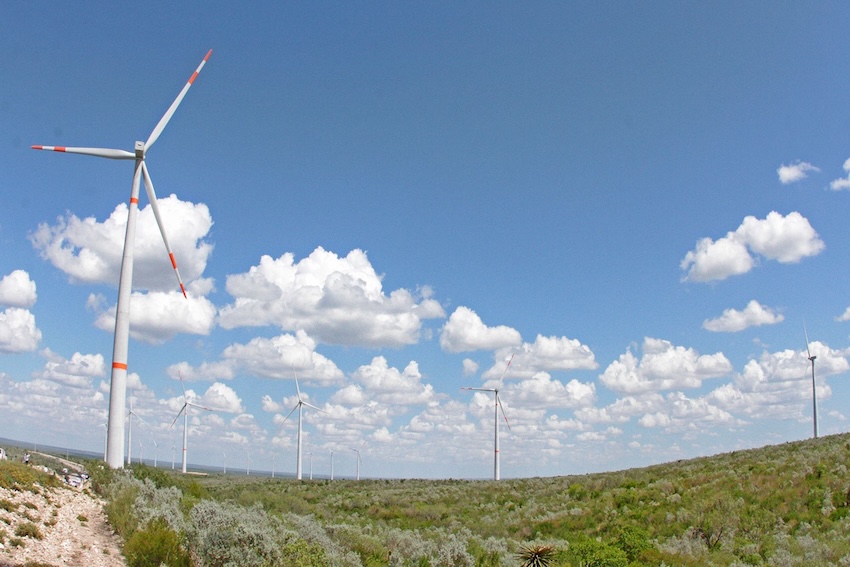
Mexico’s Energy Ministry (Sener) forecasts that almost all private-sector energy capacity investment in the 2025-2030 period will be allocated to renewable energy projects.
“Ninety-six percent of the capacity additions from projects to be developed by private individuals in the 2025-2030 period will be from intermittent renewable energy sources such as solar and wind,” the ministry’s newly released Energy Sector Program 2025-2030 (Prosener) says.
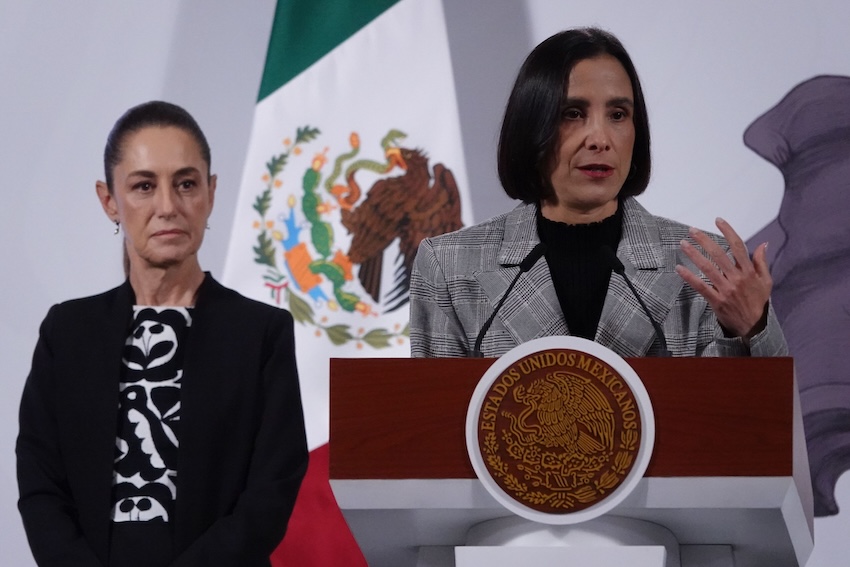
The program suggests that having such a vast majority of new privately driven power generation dedicated to clean technologies, such as solar and wind, aligns with Sener’s goal of modernizing the country’s energy mix.
Prosener also seeks to strengthen the Federal Electricity Commission (CFE) and Petróleos Mexicanos (Pemex) by securing 56% of the electricity market and maintaining exclusive control over distribution and transmission. Pemex is set to lead oil production in collaboration with the private sector, facing the challenge of sustaining hydrocarbon production to decrease dependence on foreign sources of natural gas, petroleum products and petrochemicals.
As for the CFE, the commission will play a key role in generating renewable electricity to meet the goal of 38% clean energy in national electricity production by 2030, as established in the simultaneous 2025-2030 National Development Plan (PND).
In terms of energy transition, the goal is to increase the share of renewable energy sources to between 35% to 45% of the total energy mix.
“Energy justice is one of Prosener’s priority objectives,” the program says. “The goal is to increase the percentage of the population with access to electricity from 99.64% (in 2024) to a figure close to universal coverage (99.99%) in 2030.”

President Claudia Sheinbaum’s administration has established that the Mexican government will be responsible for maintaining 54% of electricity production, while private companies will contribute up to 46%. This follows a sweeping energy reform that partially reinstates the 2014 liberalization measures implemented by former President Enrique Peña Nieto.
The new initiative for the private sector, through isolated self-supply models, long-term contracts, Mexican producers and electricity market generators, aims to add 6,400 to 9,550 megawatts of installed capacity with a private investment of US $6 billion to US $9 billion by 2030.
With reports from Bloomberg