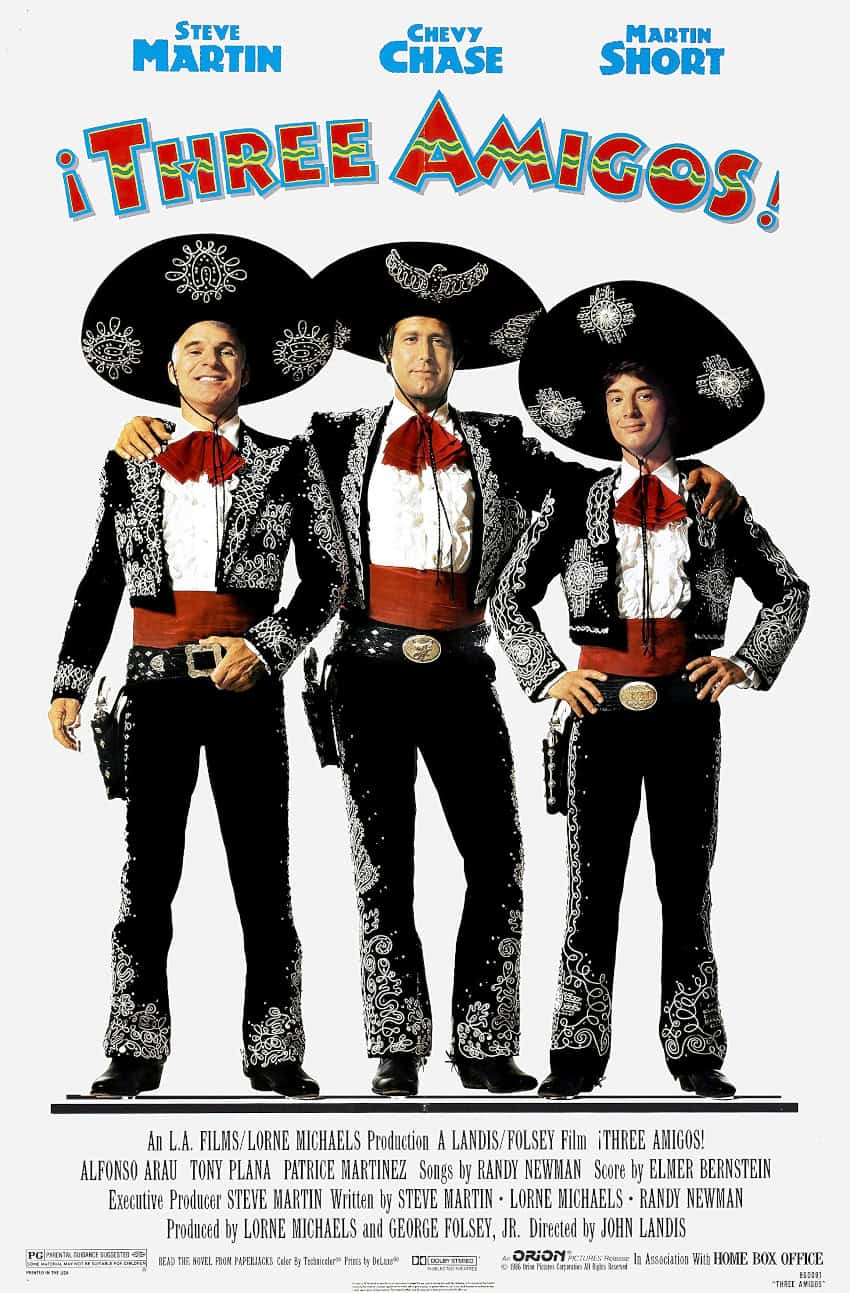
A few nights ago, my wife and I watched the movie “Three Amigos” with Steve Martin, Chevy Chase and Martin Short. Even though the movie was first released in 1986 — 40 years ago! — I recently saw a classic clip of them in my social media feed that inspired me to want to watch it again. The clip was of them ordering a beer in a Mexican bar. The bartender says, “We have no beer, only tequila.” They ask, “What is tequila?”, to which the bartender replies, “It’s like beer.” They proceed to do a shot and have a hilarious reaction. Not exactly Emmy award-winning lines and acting, but funny nonetheless.
I understand that the movie is meant to be a parody and not taken too seriously, but I will admit I was surprised at the overt stereotypical imagery used to portray Mexico. Nearly every man shown was dirty, poor and drunk. Nearly every woman shown was poor, sun-burned and disheveled — except, of course, for the few ladies who fell in love with the “three amigos.” The “bad guys” were also drunk and dirty, but also had lots of guns and made a living from robbing people. In addition to the characters, the images of Mexico and Mexican life were about as negatively stereotypical as you could imagine: poor, dusty, lawless, run-down and in the middle of the desert. People hanging around and drinking in the middle of the day, not hesitating to start shooting people. Of course, this is nothing new. Hollywood portrayals of Mexico in this way first began in Western movies in the 1910’s — over 100 years ago!
Again, I know some of you are thinking “lighten up Travis, it’s just a comedy film”. I get that, but the decades of stereotypes about Mexico portrayed in movies have had an impact on people’s perceptions about the country and its people. A few months ago, one of our writers wrote an in-depth article about it here: Stereotypes worth 1,000 words: Mexico’s visualization in the media.
And it’s not just Mexico — other countries suffer the same fate at the whims of Hollywood writers and producers.
In the decades after the “Three Amigos” movie, the Hollywood narrative of Mexico changed from the wild west version to the drug lord/narco version. Countless series were made of the cartel leaders, the cartel lifestyle, with “Narcos” from Netflix being the most popular one. In fact, “Narcos” has been one of the most-viewed series ever produced by Netflix. So, for over one hundred years, Hollywood has presented Mexico (not always, but very frequently) as a dirty, lawless location in a Western movie, and more recently as the home of cartels and the drug trade.
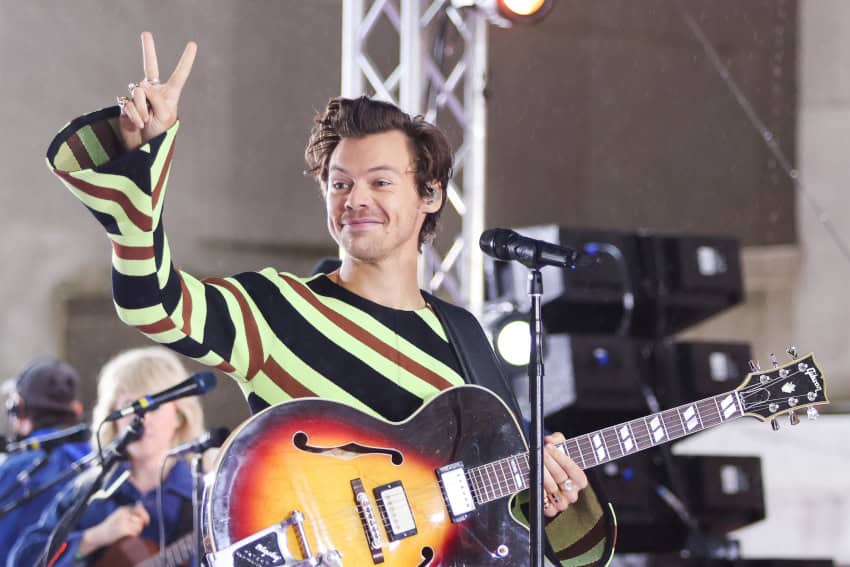
Which brings me to the point of my column today: Thankfully, that image is beginning to change. Not by Hollywood, but by musicians (most of them non-American). Over the past two weeks, I couldn’t help but notice in my social media feed all of the images of U.K. mega-star Harry Styles hanging out and enjoying Mexico City. He is in the city to do six concerts over nearly two weeks, and countless videos of him enjoying the city have been popping up. Jogging in Chapultepec Park, going for walks on the tree-lined streets with his girlfriend, eating tacos, standing in line for breakfast pastries — basically, looking and acting like a local and seemingly enjoying every minute of it.
Harry Styles continúa caminando muy relajado por las calles de la CDMX, a un día de su concierto. 🥹 Confiesen, ¿alguien ya se lo encontró? 👀😍
Video por: alexasaeenz pic.twitter.com/NPJqOXrX7r
— EstiloDF (@EstiloDF) July 30, 2026

He is the latest artist to do this, but certainly is not the first. Earlier this year, Colombian-born Shakira did a total of 14 concerts (13 in stadiums + 1 free one in the zocalo) in Mexico City. She was seen for weeks hanging out and enjoying the capital city. Also in the past few months, Irish rock band U2 filmed a music video in the city and took time to visit with President Sheinbaum. And Korean mega-K-pop group BTS did a three-day concert series in the city and were seen hanging out and enjoying the sights, as well as visiting with Sheinbaum. Late last year, Dua Lipa — who is Albanian and grew up in the U.K. — spent a week in Mexico City performing three concerts as well. She was seen dancing in nightclubs, eating late-night tacos, and genuinely enjoying the city she calls “one of her favorites in the world.”
What an incredible change this has been in the portrayal of the country. After decades of Hollywood portrayals of Mexico as a lawless, unsafe, dirty place, you now have real stars genuinely hanging out and having a good time in Mexico. The images appear to be real, genuine, authentic and spontaneous — as different from Hollywood as you can get. It would be easy to have a cynical take on these musicians and simply say that what they are doing is good for their own business. Of course it is, but I would prefer someone making money by getting out, walking around, talking to locals and eating local food rather than presenting a stereotypical, outdated and false narrative.
The World Cup was a similar phenomenon. In the months leading up to the games, the media warned us of the dangers of cartel violence and protests. The reality that we saw was of the visiting fans from Colombia, the U.K., Japan, Korea and many other countries having an absolute blast with locals across the country. It truly felt authentic, which is precisely what made it so fascinating to watch.
So let’s hope that we are beginning to see a new trend of how Mexico is being presented to the rest of the world. If so, I think it will have a hugely positive impact on the country and hopefully finally do away with the negative stereotypes that were so common in past decades.
Travis Bembenek is the CEO of Mexico News Daily and has been living, working or playing in Mexico for nearly 30 years.