Stereotypes don’t always arrive as statements. Sometimes, they arrive as images. And in many ways, that makes them far more dangerous.
We tend to think of misinformation as something written or spoken. We can detect written misinformation in outright lies, manipulated language, twisted narratives and warped perceptions. But imagery operates differently. It slips past our defenses.
The Economist y la revista Time publicaban en el 2012 que México sería una de las 10 potencias mundiales y Peña Nieto estaba salvando a México.
Las portada$ tienen precio… 👁 pic.twitter.com/zrr2mvWjI8
— Miguel Torruco Garza (@MiguelTorrucoG) May 27, 2021
The danger of visual stereotypes is how they often slip our notice. These two cover stories were positive news features on Mexico as a growing international power, yet only one portrays Mexico that way.
The Mexican in the cowboy hat
Imagery doesn’t argue with us; it simply implies. It doesn’t tell us what to think; it shows us what to see and lets our brains do the rest.

And that’s exactly why stereotypical imagery can be just as damaging to public perception as false reporting. Because once an image takes hold, it doesn’t just inform perception, it defines it.
Nowhere is this more obvious than in how Mexico is portrayed in international media.
There’s a version of Mexico that exists in reality: It’s complex, modern, economically dynamic and culturally layered. It’s a country of global manufacturing power, thriving urban centers, innovation, art, finance and influence.
And then there’s the version that gets packaged and exported, the sepia-toned, half-caricatured version. The one with the cowboy hat. The donkey. The street cart. The dust. These aren’t random creative choices. They’re patterns. And patterns shape perception.
Take something as simple, yet as telling, as image selection in journalism.
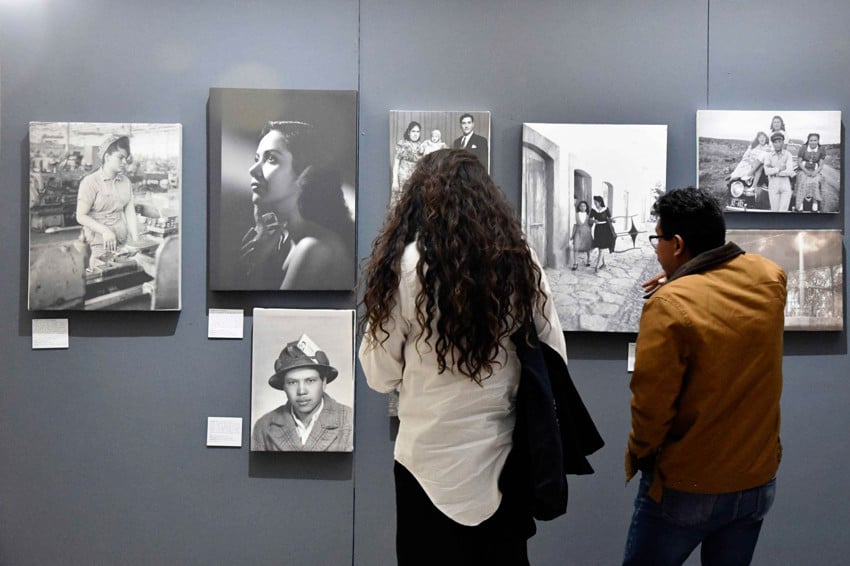
Recently, a piece by our very own CEO, Travis Bembenek, covered government initiatives. It featured a young female leader as its central image. That made sense. The image reflected the story because it was about forward-looking leadership, generational change and a country actively shaping its future.
Now, contrast that with what I saw in The Economist, an international finance magazine known for its depth and intelligence.
In a complex piece on Mexico’s role in the global business landscape of manufacturing, trade and economic positioning, the Economist’s editors chose to include an image of a man in a cowboy hat, on horseback, behind a cart stacked with beer and soft drinks.
Think about that for a moment.
Let it really sink in.
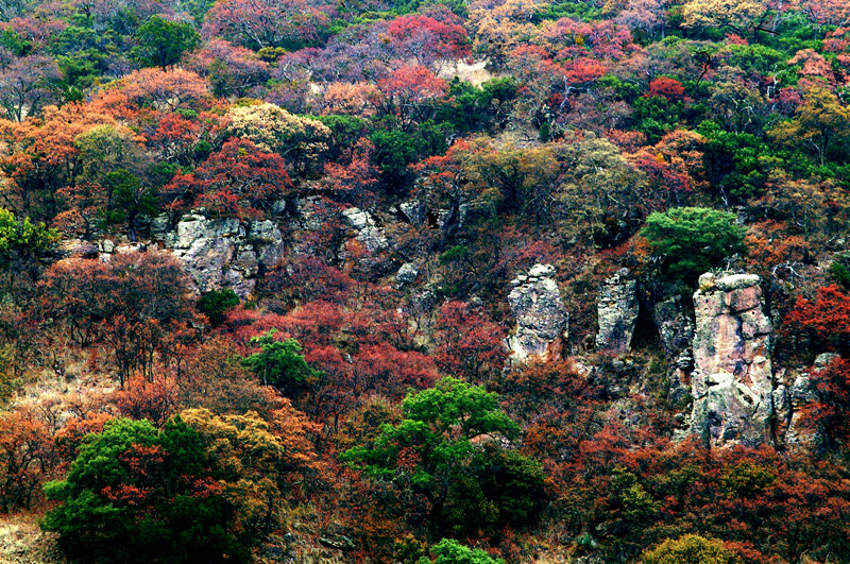
A serious analysis of Mexico as a global economic player was paired with a visual that suggests rural nostalgia, informality and backwardness.
That’s not just a mismatch. That’s messaging.
Because imagery doesn’t just decorate a story, it frames it. Before a reader has time to even process a single sentence, the image has already told them what kind of country they’re about to read about. And in this case, it subtly undercut the entire premise of the article.
This is how stereotyping works in modern media. It’s not always through what’s said but through what’s shown.
And it’s not new.
The ‘Mexico filter’

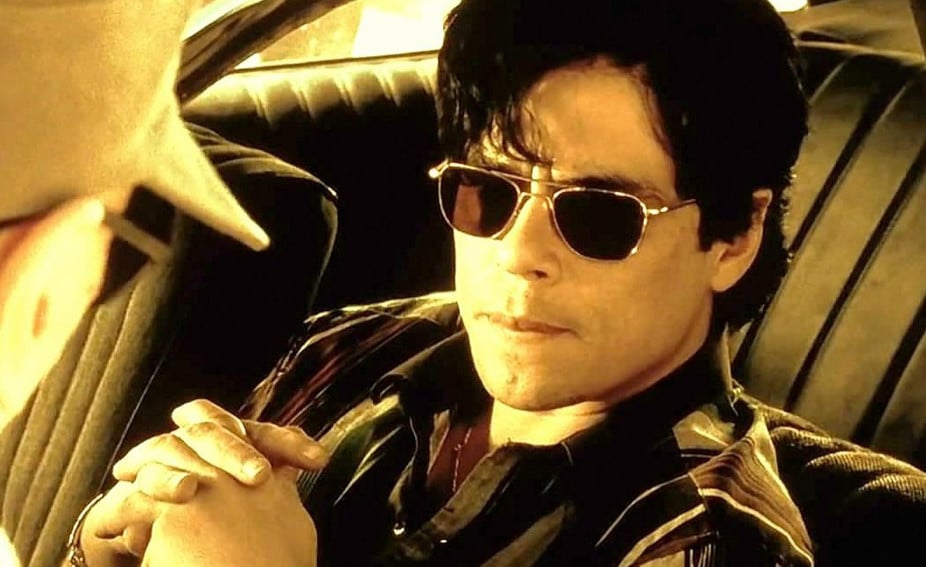
The 2021 Mexican faux documentary “A Cop Movie,” plays with the same gritty themes as Hollywood offerings like “Traffic,” “Sicario” and “Narcos” — law and order, drugs and corruption in Mexico — but this trailer has nary an outdoor scene altered by the so-called “Mexico filter.”
For decades, film and television have reinforced a narrow visual identity of Mexico: the dry desert landscapes, the yellow filters, the crime, the poverty. Even when stories vary, the visual language rarely does.
There’s a reason people joke about the “Mexico filter” in Hollywood. The one also known as “the shithole filter,” if you can believe that.
You recognize it instantly, even if you don’t know the name. You see it clearly in films like “Sicario.”
It’s that moment when a movie or television show’s setting shifts to Mexico and the color grading changes. The image turns yellow and dusty, looking almost dehydrated. The environment feels harsher and more dangerous before a single line of dialogue is spoken.
Nothing in the script has told you that. Visually, however, you already know what you’re supposed to believe.
You see the same technique used again and again, in countless films and television series about Mexico. The stories and contexts are different, sure, but it’s the same visual language, meant to make Mexico appear less stable, less modern, perpetually on edge and far less sophisticated than it actually is.

And that consistency is exactly the problem, as it’s not accidental; it’s conditioning. Because when the same cues are repeated often enough, they stop feeling like stylistic choices and start feeling like truth.
It’s visual shorthand, and it sticks.
Flattened culture, unquestioned beliefs
The same applies to cultural symbols. Sombreros, ponchos, mariachi bands. They’re all real elements of Mexican culture, but they’re endlessly overused, to the point of distortion.
And when those symbols become the default imagery, they stop representing culture and start replacing it. They flatten a country of nearly 130 million people into a handful of clichés. Such flattening makes it easier to dismiss and misunderstand the country as a whole. If a place looks simple, it’s easy to assume that it is.
Imagery matters as much as language, maybe even more so, because while language can be challenged, fact-checked, debated and corrected, imagery can feel so unconscious that it often goes unquestioned.
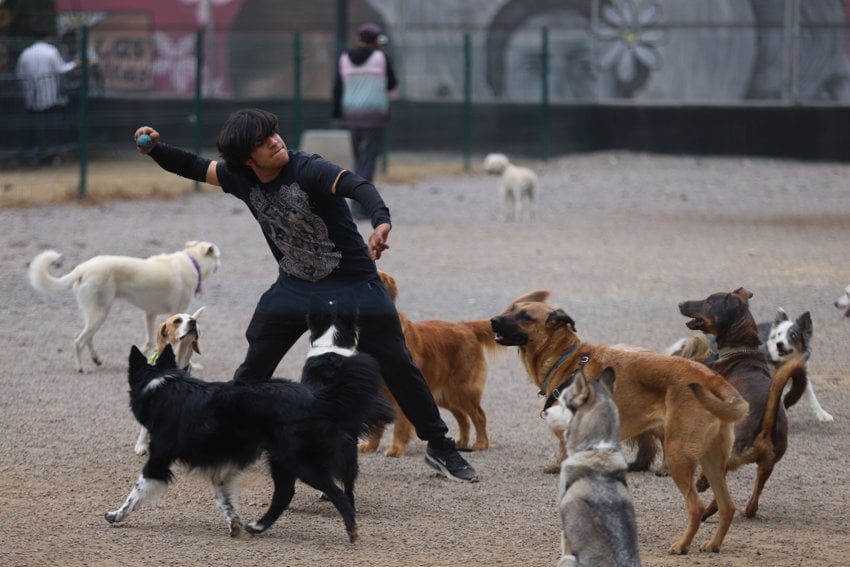
No one writes a rebuttal to a photograph. No one argues with a visual tone. They absorb it. And over time, those absorbed impressions become beliefs about competence, modernity and credibility. About worth.
Visual cues carry weight far beyond their surface meaning. Something as simple as how a person is dressed in a photo can influence how competent they’re perceived to be. And when an entire country is consistently framed through outdated or reductive imagery, that framing doesn’t stay confined to magazines or screens. It seeps into how people think, invest, travel, vote and engage. It shapes expectations before experience ever has a chance to intervene.
And that’s where the real damage lies.
Because stereotypes, especially visual ones, don’t just misrepresent reality, they prewrite it. They tell the viewer, “Here’s what this place is.”
And once that story is planted, reality has to work twice as hard to undo it.
That’s why the image of a cowboy on horseback in a global business story isn’t harmless. It’s not just “color” or “flavor.” It’s a signal — a quiet and subtle one, maybe, but a powerful one all the same. It says, “This is how you should see this country.”
And if we don’t question those signals, if we don’t challenge the images as much as we challenge the words, then we allow those narratives to persist. Not because they’re true, but because they’re familiar.
Familiarity, when left unchecked, becomes unconscious belief. And that’s the real danger of stereotypical images of Mexico that we see in so many quarters — not that these stereotypical images exist, but that they’re so often shared with no challenge to them at all.