
Fifteen. That’s the number of Mexican deaths in ICE custody so far in the U.S. in the past year.
Can you imagine what the response would be if 15 Americans had recently died in Mexican detention? Even if they were criminals, I’m sure the outrage would be overwhelming. “Sure, they were scammers, but they’re still human beings!” I imagine people saying.

For a certain portion of the U.S. population — even for some readers of this paper — trauma and possible death at the hands of U.S. authorities are simply “risks” immigrants took when they crossed the border. This is true, apparently, for children as well.
An un-Christian attitude towards immigrants
Whatever your view on immigration in the U.S., legal or otherwise, you probably at least recognize that we haven’t been this hard on immigrants since the days of Japanese internment camps. Many immigrants, in keeping up with their appointments, have been detained for — as so many often demand of them — “doing things the right way.” They’re showing up for their immigration check-ins and being arrested on the spot.
This was the fate recently of a Venezuelan family with a young teen daughter who showed up for their legal asylum case. As The Texas Tribune reported, “The judge dismissed the family’s case without hearing any testimony, following a Trump administration order that immigration judges dismiss cases en masse so officers could arrest immigrants before they walked out of courtrooms.”
When the family was finally released a month later, they decided to return to Venezuela.
The US piles up human rights violations
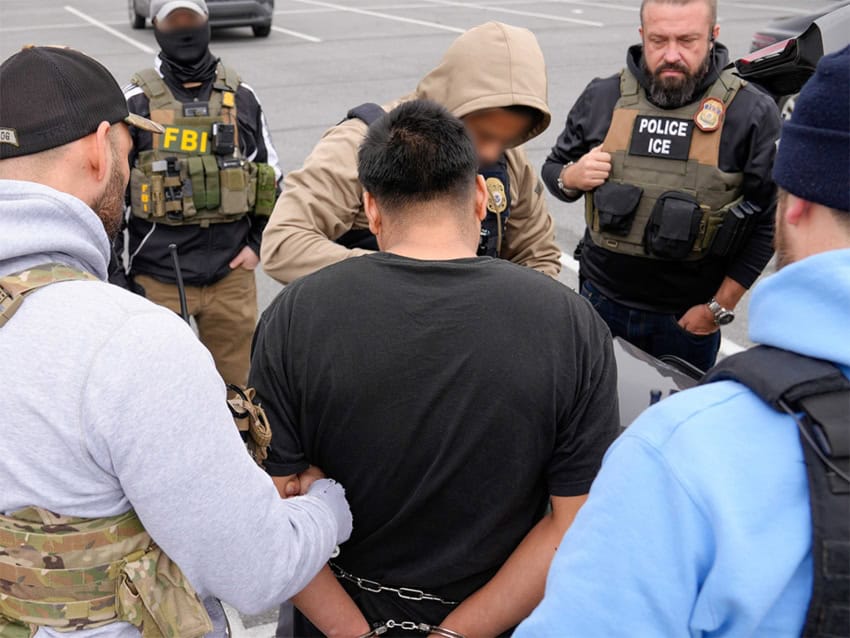
ICE’s human rights violations are numerous and well-documented. Their violations of basic decency are as well: grandmothers, pregnant women and the newlywed wife of a U.S. service member.

Again, imagine the equivalent of this in Mexico: how many of you reading this have ever had an “irregular” status here of any kind? Would you ever say that time in detention, being treated like criminals, is what you deserve?
It seems that they are truly not in the business of simply picking up violent criminals who shouldn’t be in the U.S. off the street — the vast majority of ICE detainees have no criminal record whatsoever — but of creating maximum misery for whoever gets caught in their net.
The ICE facilities themselves, of course, are privately run. They’re privately profitable too, courtesy of U.S. taxpayers, many unwillingly. And there is obviously a lot to keep hidden in these places; if not, ICE wouldn’t regularly deny entry to elected officials.
Zero oversight and an armed response to civil offenses
As a reminder, immigration violations are not criminal offenses; they are civil ones. Immigrants that ICE officers encounter, however, are being treated as if they’d robbed a bank rather than, well, started working.
With arrest quotas and carte blanche from Trump, many are out in full force. In an economy in which stable middle-class jobs are quickly disappearing, well-paying ICE jobs have essentially become “a jobs program for the bigoted” (not my phrase, but I don’t remember where I read it). If you don’t believe me, have a look at their recruiting material.
So we know that ICE facilities receive essentially zero oversight. We know that, especially the most recent crop of ICE officers, have received very little training. (With so many needing to be hired so quickly, chances are they’re not the cream of the crop, either.)
And we know that people are dying. It’s not just Mexicans who have been victims of ICE detention deaths, but immigrants from all over. Because as much as Stephen Miller might thirst for it, a nationwide network of detention centers can’t be built overnight. Infrastructure, professionals, physical space, food and doctors can’t be produced from thin air. And when there’s a motivation to keep costs down, the people in charge of these things will certainly race to the bottom as far as they can get away with.
What little Mexico can do

So, naturally, people in these detention centers are not doing well. Death, of course, is the most extreme example, but insufficient food and medical care are also ongoing and well-known problems. Some people are going to slip through the cracks of faulty planning and of even worse luck than they already have.
President Sheinbaum, for her part, has not taken the news of these deaths lightly. That said, she has limited courses of action available to her — certainly fewer than if the roles were reversed.
What can the government do about Mexicans in ICE custody? Well, basically, what they’re doing now:
1) Sending consulate staff to detention centers daily to check on their nationals.
2) Helping families take legal action against the detention facilities? Individuals? On this, I am not very clear.
3) Referring cases to the Inter-American Commission on Human Rights.
A legacy of suffering that won’t be forgotten
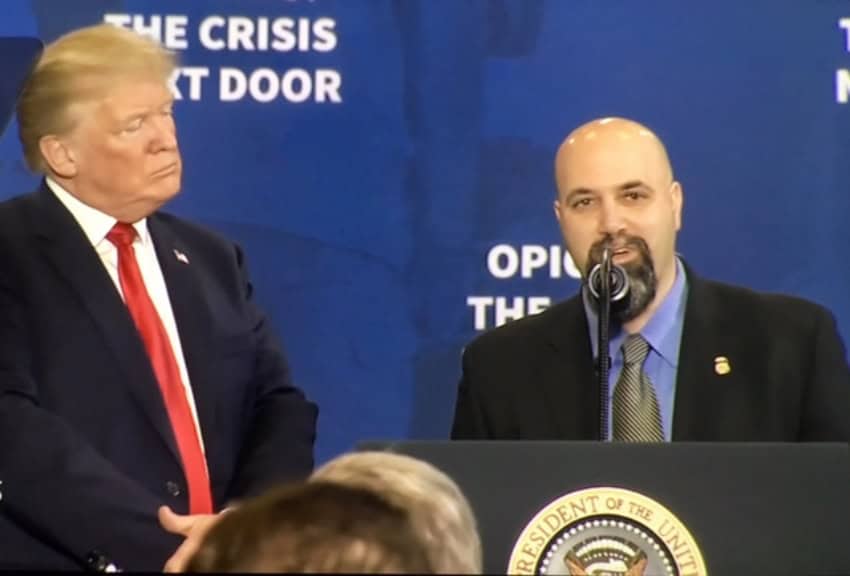
Well, Sheinbaum’s actions are better than nothing, and the problem is at least not being ignored. But it’s so, so frustrating that Mexico is not in a position to pressure the U.S. in any other way. Even if it decided to be equally rough with U.S. immigrants here, it’s doubtful that the current administration would see it as a problem:
“Did they vote for me? If not, let them rot.”
Sadly, Mexico really has no more moves to make in this situation. Many more detainees will likely die — Mexicans and those from other countries. We hear about the deaths because they’re headline news.
What we don’t hear about as much is the day-to-day suffering in cold and crowded cells with insufficient food and medical attention. And what we don’t know is how much hatred this will ultimately engender toward the U.S.
Lives are being ruined as we speak — including children’s lives. It’s been said so many times now that it’s practically a cliché, but the cruelty really is the point. Punish, punish and punish is the credo — mostly from self-identified Christians, mind you.
Mexico and the world will not forget, and the U.S. will not always be on top — especially the way things are going now. Like Scrooge, the U.S.’s fate is nearly sealed — and the death and suffering being caused by this administration will certainly be back later for a haunting.
Sarah DeVries is a writer and translator based in Xalapa, Veracruz. She can be reached through her website, sarahedevries.substack.com.