Amigos, so far I’ve told you about writers that I think are quintessential for
understanding from another perspective what Mexico really is. Of them all, Octavio Paz
is my favorite — admitting that in mixed company, and especially in front of women, this admission can be controversial.
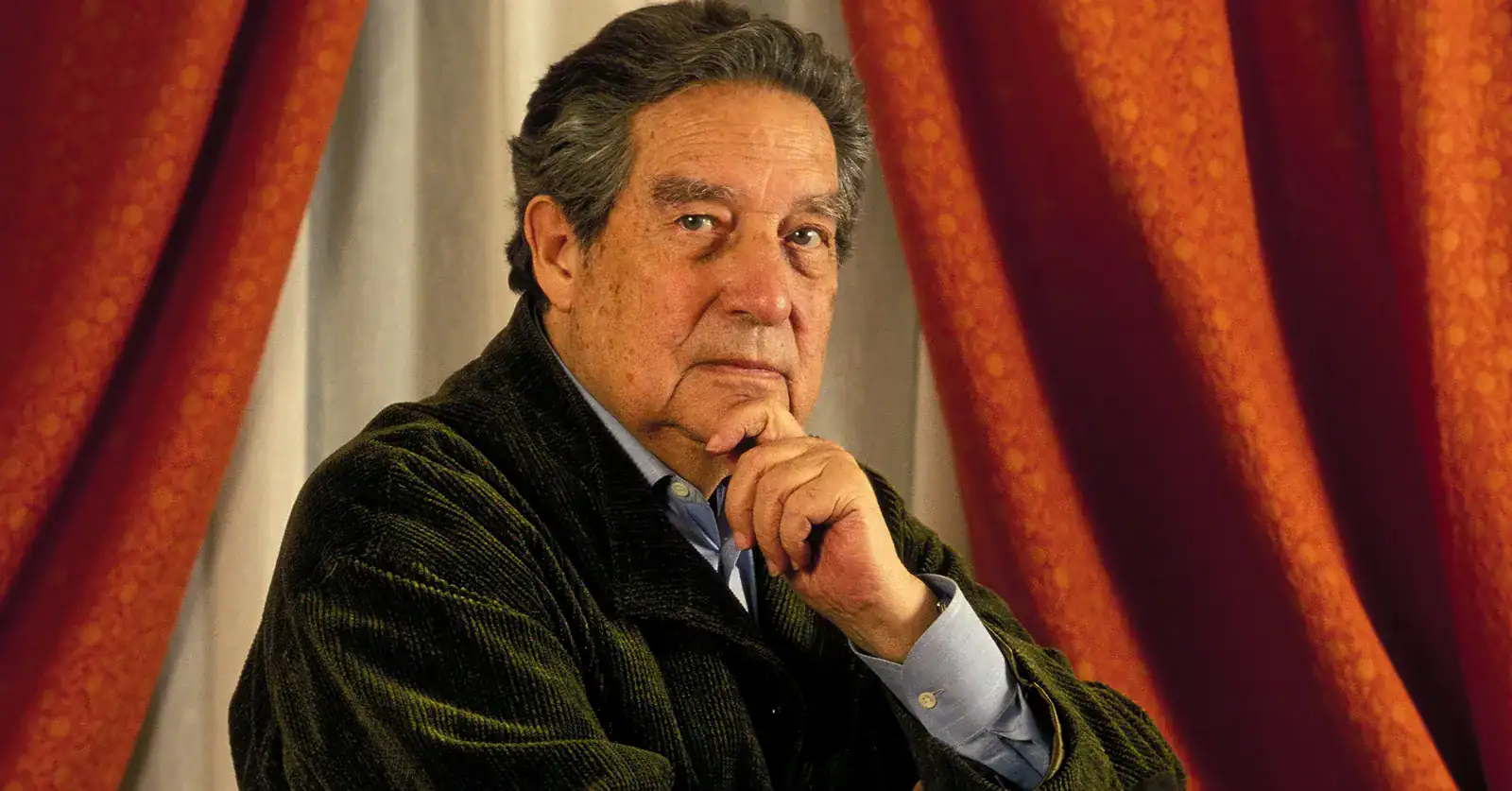
Paz is the only Mexican writer to have won the Nobel Prize in Literature. Yet for many,
the prize is tarnished by his friendliness with the ruling party of his era, the PRI. For
some women, the Nobel means little in light of his treatment of his ex-wife, the writer
Elena Garro.

More than merely a writer, Paz was a thinker who knew how to use language. His work
spans poems, essays, cultural criticism and philosophy. He developed as both a writer
and a diplomat, a dual life that let him see Mexico from afar and return with a clearer
view. His prose and poetry capture the tensions of a nation shaped by conquest,
religion, revolution, solitude and a long, fraught effort to reconcile Indigenous and
European inheritances.
To read Paz today is to wrestle with the same conflicts he confronted throughout his life:
art and politics, national identity and global exchange, solitude and community.
The making of a poet and philosopher
Octavio Paz was born in Mexico City on March 31, 1914, into a family marked by both
intellectual engagement and the upheavals of the Mexican Revolution. His grandfather,
a liberal intellectual with a substantial library, introduced him early to literature. Paz
published his first poetry collection, “Luna Silvestre” (“Wild Moon”), at just 19.
He briefly studied law at the National University of Mexico before abandoning it for
writing and journalism. In 1937, he traveled to Spain during the Civil War and joined the
Second International Congress of Anti-Fascist Writers — an experience that left a lasting
mark and revealed a pattern: Paz habitually looked outward, toward other countries and
traditions, to better understand his own. Hearing firsthand the conversations and
laughter of those behind the opposing lines convinced him that people on the other side
were human too, which made him more inclined toward tolerance and a readiness to
understand their perspectives.


After World War II, he entered Mexico’s diplomatic corps, spending two decades
abroad. His postings took him to the United States, France, Japan and India — years
that profoundly shaped his thinking. In Paris, he engaged with surrealism and European
modernism; in Japan, he absorbed Zen aesthetics and the discipline of haiku; in India, he
encountered Hindu and Buddhist thought. These cross-cultural encounters broadened
his sense of what poetry and identity could be, sustaining an intellectual curiosity that
resisted simplistic ideological labels.
The view from outside: Writing Mexico’s identity
Paz’s most celebrated work remains “El Laberinto de la Soledad” (1950), translated
as “The Labyrinth of Solitude.” It is not a conventional history of Mexico. It is an inquiry
into the psychological and cultural forces that shape Mexican experience.

Paz argued that Mexicans navigate a profound sense of solitude forged by the legacy of
conquest and mestizaje (cultural and racial mixing), and that this solitude expresses
itself in ritual, celebration, death, music and language. His reflections on
masks — symbolic and emotional — suggest a people negotiating between pride and
defensiveness, intimacy and distance.
His interpretations of fiestas, Day of the Dead rituals, and the figure of La Malinche are
not folkloric descriptions but attempts to chart a collective emotional landscape. “The
Labyrinth of Solitude” became essential reading in Mexico and abroad for anyone
seeking to understand the paradoxes at the heart of Mexican identity: joy entangled with
melancholy, pride layered over trauma.
Poetry as inquiry
Paz’s poetry is as probing as his essays. His early work reveals influences from
Marxism, surrealism and existentialism; his later poetry immerses itself in eroticism,
time and the inner life of language.
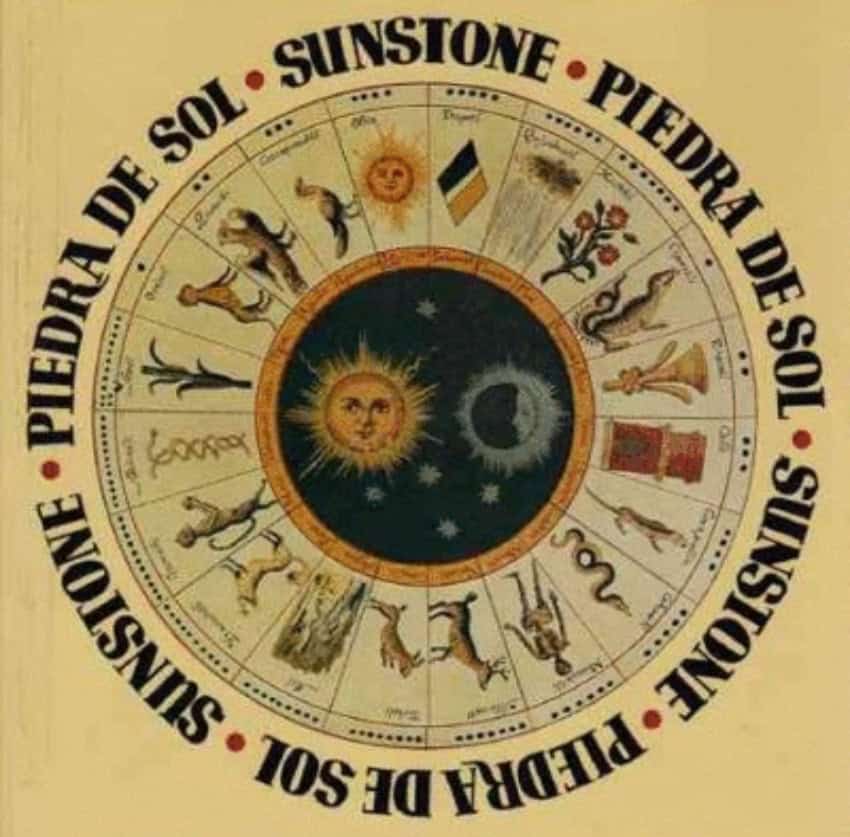
His long poem “Piedra de Sol” (“Sunstone”), published in 1957, is widely considered his
masterpiece. Structured around the 584-line cycle of the Aztec calendar, the poem
offers a circular meditation on love, time, memory and myth. It earned international
acclaim and was central to the body of work recognized by the Nobel committee.
Paz believed poetry did more than reflect reality — it transformed perception. His later
works often blur the boundaries between lyricism and philosophy, asking readers to
reconsider what it means to read, experience and interpret.
Politics: Between dialogue and dissent
Paz’s political positions resist easy categorization. Early in his career, he aligned himself
with left-leaning causes but never adhered strictly to ideological dogma. Experiences in
Spain, France and the United States made him cautious of rigid political identities long
before Cold War polarities hardened across Latin America.
His most famous political rupture came in 1968, when he resigned as Mexico’s
ambassador to India in protest of the government’s massacre of student demonstrators
in Tlatelolco. Few public intellectuals within the establishment took such a visible stand,
and his resignation cemented his reputation as someone willing to break ranks on
matters of principle.

Yet in later decades, he supported political and economic reforms that put him at odds
with more radical currents. He welcomed openings within Mexico’s political system,
defended liberal democratic ideals, and openly debated figures across the ideological
spectrum.
One of the most emblematic moments occurred during a televised conference in the
early 1990s, when Paz invited Mario Vargas Llosa to speak. After Paz remarked that
Mexico was the only Latin American country without a dictatorship, Vargas Llosa
famously countered that Mexico lived under “the perfect dictatorship.”
His discomfort stemmed partly from the fact that he was, indeed, close to certain
political actors. He believed that the new generation of PRI politicians in the late 1980s
and the 1990s were genuinely attempting to steer Mexico toward greater political openness. History ultimately showed that the party was undergoing a deep internal rupture and that there were figures committed to democratic reform.
For critics, this proximity to power damaged Paz’s credibility. For admirers, it
underscored his belief in dialogue rather than dogma. Whether one agrees with him or
not, his political thought was never simplistic; it reflected a consistent skepticism toward
authoritarianism and a faith in humanistic reason.
A cultural bridge and critical legacy
Paz’s influence extended well beyond his books. Through the literary
magazines Plural and later Vuelta, he helped shape intellectual debate across the
Spanish-speaking world. Vuelta, in particular, became a crucial forum for essays on art,
politics and culture, drawing contributions from Latin America, Europe and the United
States.
Paz anticipated discussions that today dominate cultural studies: the intersections of
identity and history, the weight of colonial legacies, and the friction between tradition
and modernity. His sustained engagement with Asian philosophies long before “global
literature” became a buzzword marks him as a thinker ahead of his time.
Why Octavio Paz still matters
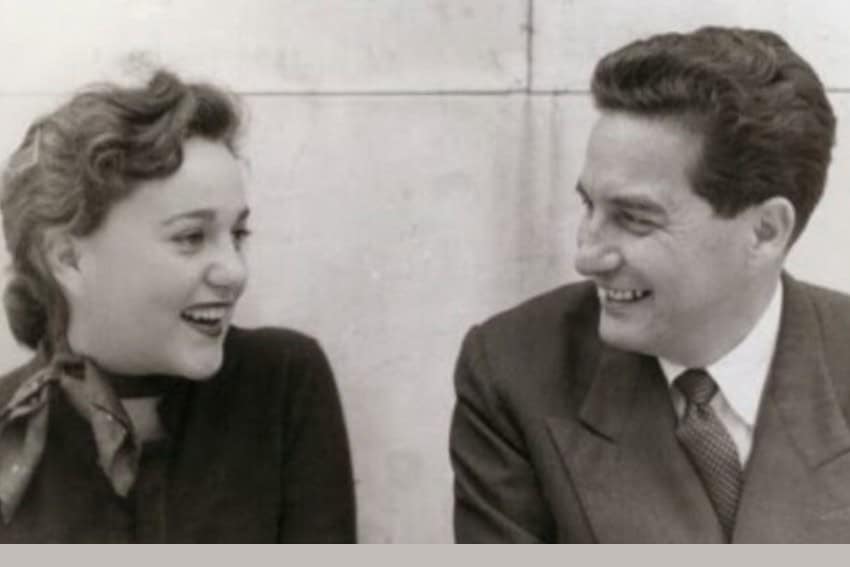
Nearly three decades after he died in Mexico City in 1998, Octavio Paz remains
central to discussions of Mexican culture and identity. His writings are not relics but
living documents that invite readers to ask difficult and often uncomfortable questions.
Paz endures not because he offered final answers but because he insisted on
formulating the right questions:
What does it mean to be Mexican after conquest and revolution? How can poetry reveal
our deepest anxieties and desires? How do culture and history shape the self? Can
dialogue across traditions deepen our shared humanity?
These are not abstract inquiries. They continue to resonate across Mexico — on its
streets, in its newspapers, and in the diverse voices shaping its future.
Where to Start?
If you want to explore Paz’s work with greater depth, here are some accessible books in
English:
“The Labyrinth of Solitude” — the essential book for understanding Paz’s view of
Mexican identity.
“In Light of India” — reflections on India, selfhood and cross-cultural encounter.
“Sunstone” — his most celebrated long poem, and a modern classic.
“The Bow and the Lyre” — Paz’s philosophical meditation on poetry, language and
meaning.
Octavio Paz may remain uncomfortable for some readers — too nuanced, too elusive,
too willing to confront contradictions. But it is precisely that refusal to be easily
categorized that makes him one of Mexico’s most enduring cultural voices.
Lastly, if you’re wondering what happened with his ex-wife, and why many feminists
despise Paz, stay tuned for the Elena Garro piece.
Maria Meléndez writes for Mexico News Daily in Mexico City.