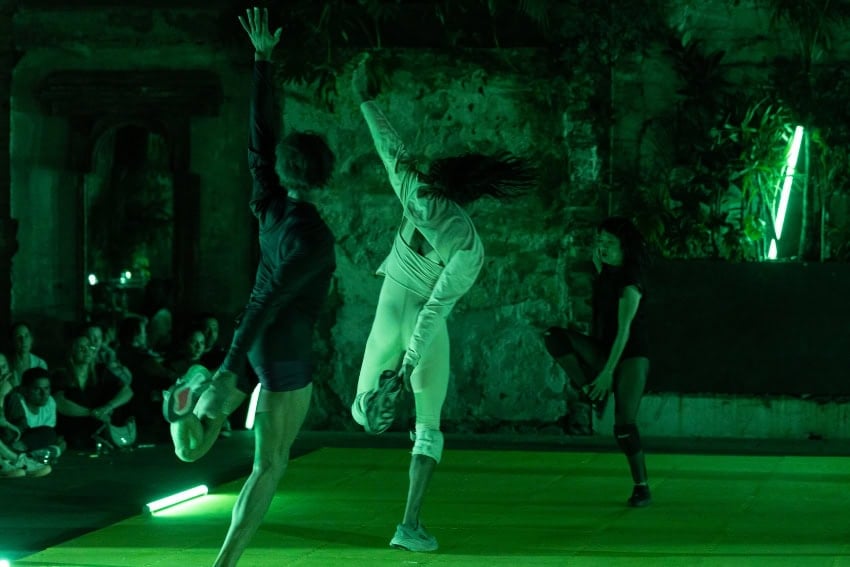
Sam Ozer is a writer, curator and producer, who is the mind behind the TONO Festival. Based in Mexico, this proposal showcases experimental contemporary art that is “time-based.” Despite being only 29 years old, her experience as a curator and programmer at the Museum of Modern Art and MoMA PS1 in New York led her to create this event. Initially, she founded TONO, an arts organization based in New York that explores time as a significant variable in art. Then, organically, the festival emerged in Mexico after she visited the country and its art week.
Ozer explains that time is a statement for the artist when it comes to practices such as video art, performance and dance. “With a painting or sculpture, you could spend 10 seconds or 5 hours watching. In the case of a performance or video, the artist tells the audience how long they should engage with it; this is part of the message, even if the spectator leaves before it ends. TONO explores time as part of the artwork in experimental forms,” she explains.
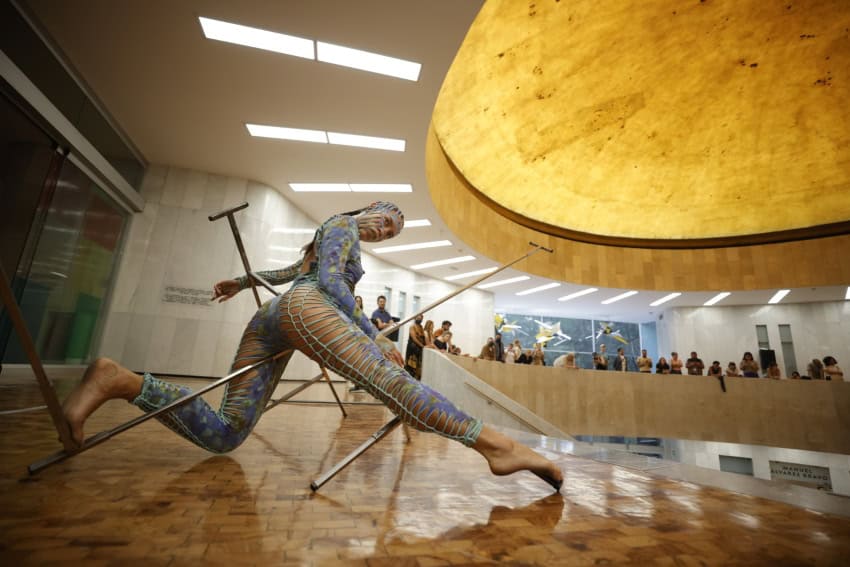
This March marks the fourth edition of the festival, which will be held at some of the most important museums in Mexico City, including Casa del Lago UNAM, Museo Jumex, Museo Universitario del Chopo, Museo de Arte Moderno, Museo Casa Estudio Diego Rivera y Frida Kahlo, La Laguna Bodega and Casa de la Acequia. The festival will also take place at the Museo Amparo in Puebla. “Video installation, performance, music and dance — this kind of experimental practice is what you will find during these two weeks of art,” Ozer shares.
What’s happening at TONO this year
According to Ozer, TONO showcases a diverse range of artists from around the globe. “We always present artists from Mexico City or Mexico, but also from many other countries who have never exhibited in Mexico or Latin America. This year, the festival began with Tino Sehgal, a renowned British artist who creates what he calls constructive situations. He takes the gallery or museum space and fills it with movement. His work isn’t about objects; it’s about movement,” she explains.
Additionally, Space Afrika, an electronic music duo and innovators who fuse U.K. dance, ambient, alternative, trip-hop, pop, modern classical and experimental genres, performed at Casa del Lago on March 12. Kianí del Valle, a Puerto Rican artist and choreographer who recently choreographed Bad Bunny’s Super Bowl halftime show, will also participate in the festival.
“Alexa West, a New York City-based dance artist, will perform an amazing dance piece with her company. Rafael Lozano-Hemmer, the first Mexican artist invited to the Venice Biennale in 2007, who creates participatory works with technologies such as robotic lights, digital fountains, and telematic networks, will present alongside percussionist Eli Keszler. We will also enjoy Kelman Duran, a producer, composer and DJ. The program includes Franziska Aigner, who blends performance, philosophy and music; Alessandro Sciarroni and his remarkable dance, and the prestigious British artist Melanie Smith, who will present an exhibition at Museo Jumex.”
The presence of Thailand
The TONO Festival also arrives in Puebla at the Museo Amparo, where a selection of works by Thai filmmakers and video artists is on display. These proposals were curated by Rosalia Namsai Engchuan, the Bangkok Kunsthalle’s curator of moving images. Each year, the festival features an international guest, and in this edition, Thailand is represented by creators such as Montika Kham-on, an artist and filmmaker who explores collective fear, speculative futures, and dominant narratives through video, performance, installation and sculpture.

The work of Oat Montien, one of Thailand’s most prominent queer artists, will also be featured. He uses eroticism as a poetic allegory for the complex experiences of marginalized identities. Other filmmakers and artists, such as Tulapop Saenjaroen, who works with moving images, performance, and sound, will present some of their pieces. Additionally, Ho Tzu Nyen, an artist from Singapore who reflects on the histories, mythologies, and political impulses of Southeast Asia, will be present.
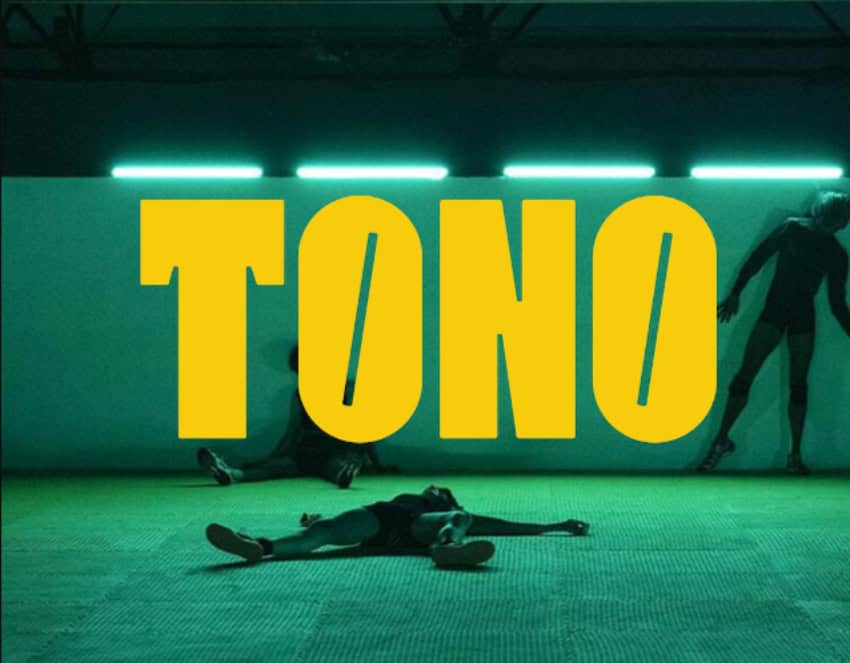
Undoubtedly, TONO is an open window to the avant-garde scene at the intersection of multimedia, performance, dance and music. It offers access to contemplation and contemporary reflections through the eyes of artists from all the world.
Find more information here.
Ana Paula de la Torre is a Mexican journalist and collaborator for various outlets, including Milenio, Animal Político, Vice, Newsweek en Español, Televisa and Mexico News Daily.