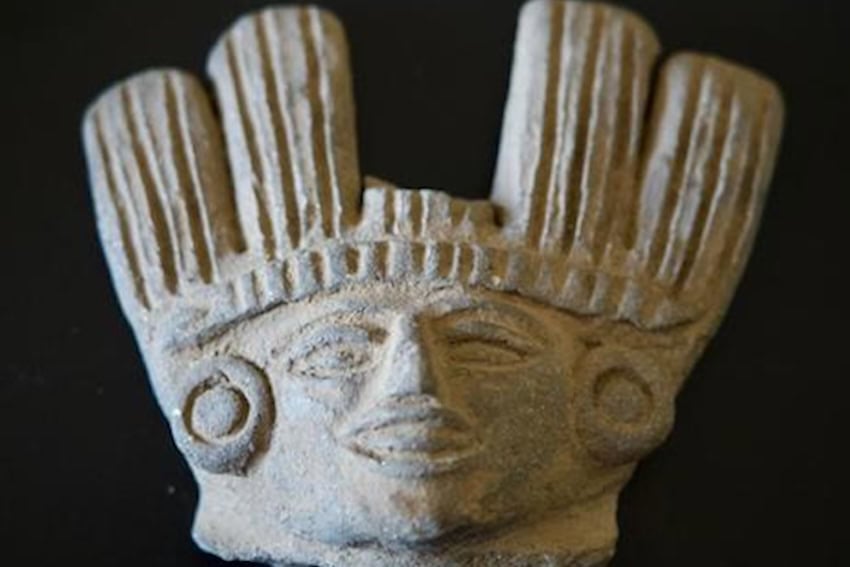
Some 2,158 cultural objects of archaeological, historical, artistic and documentary value have returned to Mexico from abroad in the first full year of Claudia Sheinbaum’s presidency, according to a statement from the Foreign Relations Ministry (SRE).
The SRE said the recovery was made through a strong collaborative effort. Most of the artifacts were voluntarily handed over by private individuals to diplomatic and consular authorities in Canada, Denmark, the United States, France, Italy and the Netherlands.
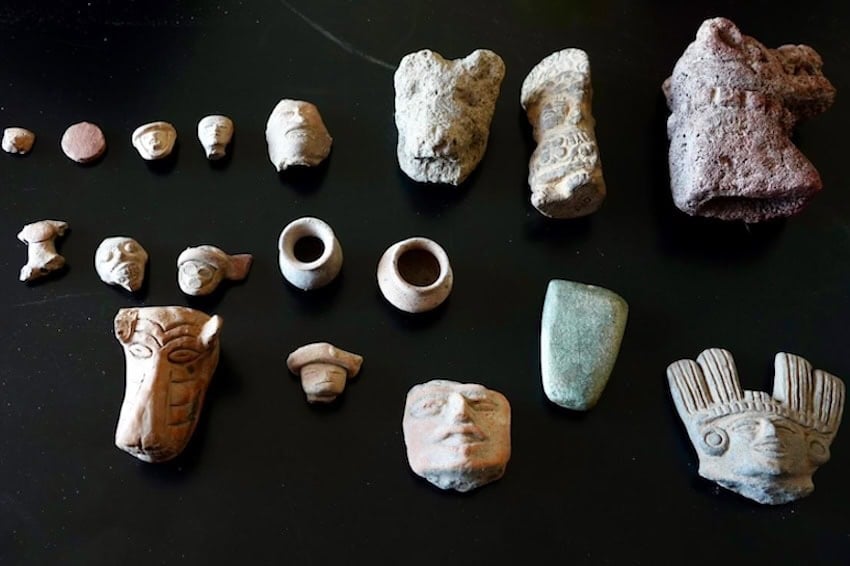
For example, earlier in December, the SRE reported that 52 pieces were recently recovered from U.S. residents in Sacramento, San Francisco and New York who contacted Mexican Embassies on their own initiative to hand over the artifacts.
So far this year, the Legal Consulting Office of the SRE has formally delivered 1,843 objects to the National Institute of Anthropology and History (INAH) and the General Archive of the Nation (AGN), which are responsible for their protection and safekeeping.
This recovery effort forms part of Mexico’s ongoing policy against illicit trafficking of cultural property and towards the protection of national heritage, a strategy that gained momentum during the administration of former President Andrés Manuel López Obrador.
Between 2018 and 2024, López Obrador’s government repatriated a total of 14,048 archaeological artifacts considered part of the country’s national heritage. Many of these pieces had been removed from the country decades earlier and later surfaced in private collections or on the international art market.
President Sheinbaum has built on these efforts. The SRE said her government “reiterates its commitment to preserving the cultural identity of Mexicans, and to continue with inter-institutional work and international cooperation to combat the illicit trafficking of heritage assets and return them to their places of origin.”

Mexican authorities have said that the repatriation of cultural objects not only restores physical pieces of history, but also reinforces the recognition of Mexico’s cultural roots, its cultural identity, and its commitment to preserving collective memory for future generations.