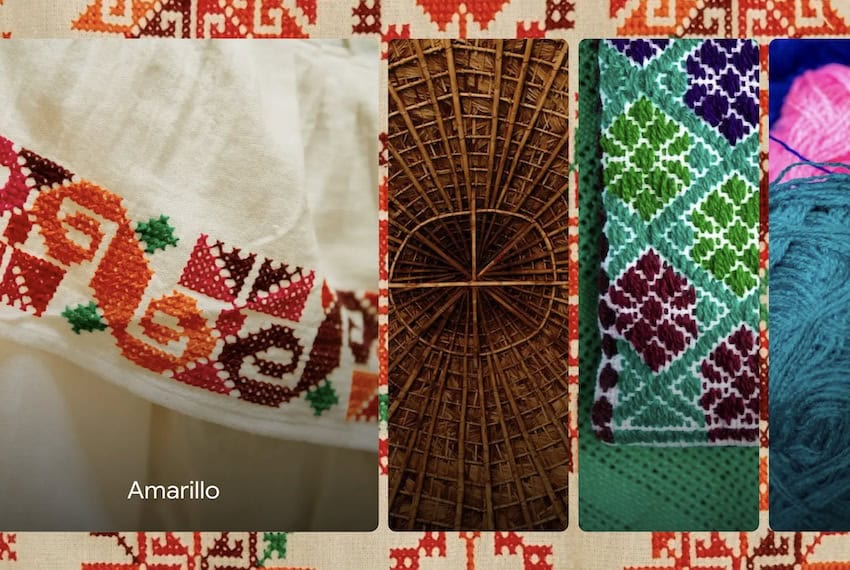
Mexico’s federal government and Google are turning a national textile fair into a year-round digital showcase, using a new edition of “Tejidos de México” to spotlight artisans and their work.
The “Tejidos de México” project — hosted on Google Arts & Culture as part of the broader Crafted in Mexico initiative — brings together 32 short photo-and-video stories about artisans from six states.
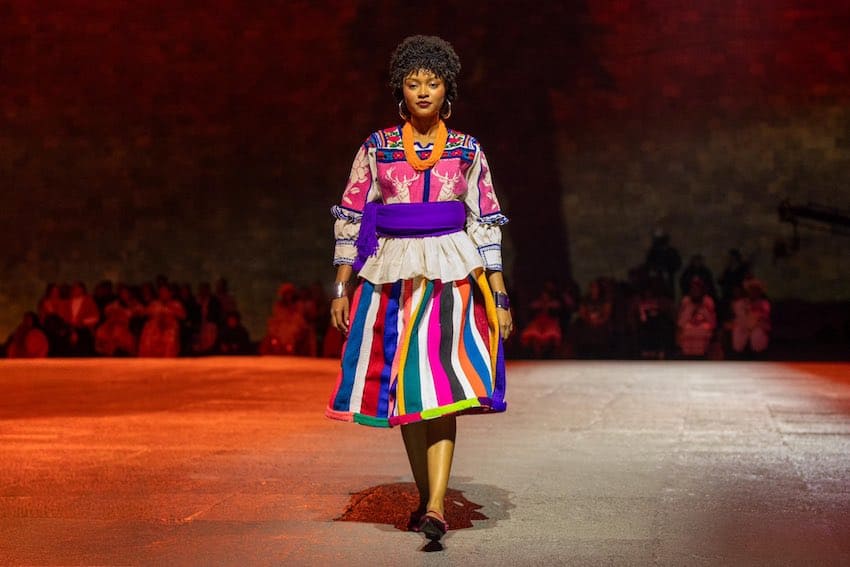
Though the name of the online exhibit translates literally to “Textiles of Mexico,” it is billed in English as “Crafted in Mexico: Empowering stories of Mexico’s craft history, culture and communities.”
It walks viewers through techniques such as loom weaving, natural dyeing and resist-dye patterns, while tying those processes to family histories, community leadership and local economies.
The artisans featured are from Coahuila, México state, Hidalgo, Oaxaca, Querétaro and Tlaxcala.
The collection focuses on creators linked to “Original, the Mexican Textile Art Encounter,” a major event organized by Mexico’s Ministry of Culture that brings together artisans from across the country to showcase and sell traditional textiles, promote fair trade and prevent plagiarism.
Held in late November, it gathers more than 400 master artisans from all 31 Mexican states and Mexico City.

The fifth edition — featuring exhibits, workshops and cultural exchanges — was held last week and over the weekend at the Los Pinos Cultural Complex in Mexico City’s Chapultepec Park, with an opening event staged nearby at the National Museum of Anthropology.
The event was framed as a celebration of traditional textiles and live music.
Culture officials describe “Tejidos de México” as both documentation and economic strategy.
The online platform is designed to promote manual labor, collective ownership and fairer relationships between the fashion and design industries and the communities that safeguard cultural heritage.

In practice, that means framing each profile around named artisans and collectives and pointing audiences toward ways to support their work under conditions officials say are more equitable.
The stories feature figures such as rebozo weaver Camelia Ramos Zamora (Malinalco, México state), who maintains a family workshop; weaver Crescencio Tlilayatzi Xochitemol (Santa María Tlacatecpac, Tlaxcala), who preserves an intricate ikat technique that can take months per piece; doll maker Josefina Pascual Cayetano (Amealco de Bonfil, Querétaro), who helped her collective, Artesanas Döngu, rethink the way in which Otomí dolls were valued in order to recognize the true price of their time and craft; and Verónica Lorenzo Quiroz (San Juan Colorado, Oaxaca), who grows and dyes native coyuchi cotton.
Officials say the collaboration also includes training in social media and digital commerce and is expected to expand to more artisans in future editions.
With reports from López-Dóriga Digital and Google Arts & Culture