
For those with the stamina to endure Guadalajara’s brutal seasonal heat, there can be rich rewards, starting with a blockbuster lineup for this year’s May Cultural Festival. A new Architecture Walk is also being unveiled in downtown Guadalajara, while trouble is brewing for a beloved animal shelter in Zapopan.
The May Cultural Festival returns with an exciting lineup
This month, Guadalajara offers an incredible array of cultural activities to suit a variety of tastes and budgets, thanks to the 2026 Festival Cultural de Mayo, which brings locals and visitors dozens of events spread out over three weeks that showcase modern dance, classical music, immersive art exhibitions, circuses and more.

Featuring more than 400 artists from Mexico, Canada, Europe, Australia and beyond, performances will be held at 20 different venues around town, with many taking place at the iconic Teatro Degollado. Headlining shows include concerts by the Mariachi Women of Tecalitlán and by the New York-based Grammy-winning Attacca Quartet in the Guadalajara Cathedral, plus a dance performance by the Marie Chouinard Dance Company of Quebec.
Also highly anticipated are the 360 AllStars, who are making their Mexican debut at the festival. This spectacle, created by Australia-based Onyx Productions, is a reimagined, high-energy circus that combines music, artistry and athleticism inspired by urban street culture. The 360 All-Stars have sold out previous runs on Broadway, at the Sydney Opera House and in Edinburgh, Scotland.
See the full program of events here, or visit the festival’s Instagram account for additional information.
Dates: May 7-29
Location: Events will take place at various locations around Guadalajara, with most in or near the historic center.

Cost: Some events are free. Paid event prices start at around 150 pesos.
Architectural Walk is inaugurated alongside Parque de la Revolución
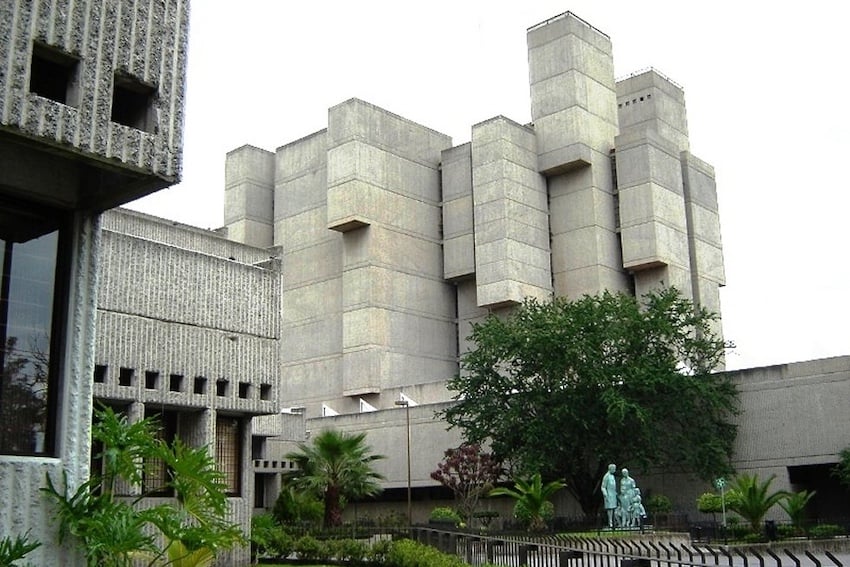
In conjunction with the unveiling of major renovations to Parque de la Revolución (popularly known as Parque Rojo) last month, Guadalajara city officials also announced the creation of a new Architecture Walk on Marcos Castellanos Street.
Along the western side of Parque Rojo, Marcos Castellanos spans only three blocks and is bound by Avenida Juárez to the south and José María Morelos to the north. But within this short stretch sit several of the city’s most historically significant architectural landmarks.
At the south end is the handsome Barragán House, built in 1934 by the Pritzker Prize-winning architect Luis Barragán Morfín. Although the building has undergone several modifications over the years, it’s notable for a departure from the curved lines and rounded corners that characterized Barragán’s earlier work.
Additional works heading north along this walk include the Molina House, designed by architect Ignacio Díaz Morales, the Rogelio Rubio House, designed by Rafael Urzúa Arias and the brutalist, multi-use Alejandro Zohn Building.
In launching the Architecture Walk, the city didn’t just rescue these historic gems from the dirt and graffiti that have plagued them in recent years. It also aims to position this area as an open-air museum for visitors, complementing the renewed Parque Rojo, which itself was designed by Luis Barragán and his brother, engineer Juan José Barragán Morfín, back in 1935.
Zapopan city officials disrupt operations at a beloved local animal shelter

After stories began circulating a few weeks ago about a real-life Cruella de Vil in the State of Mexico, it was a cause for alarm to hear that Zapopan’s municipal government has been making life very difficult lately for one of the city’s only reputable dog shelters. Despite having operated amicably in the area for years, Refugio Buenos Chicos (RBC) now faces an uncertain future.
According to Telediario, the Zapopan city council issued an inspection order for the closure of the RBC animal shelter, which would put the homeless dogs living there at imminent risk. The municipal administration initiated this process after receiving an anonymous complaint via social media alleging repeated burning of materials, a charge the shelter’s director, Fabiola Ávila, vehemently denies.
Refugio Buenos Chicos has been operating in the area for at least 15 years and currently provides 240 dogs with shelter, food and veterinary care. According to the shelter’s lawyers, the facility submitted a formal application to the city for an operating license back in January 2026, but the application has yet to receive a response.
Subsequently, local authorities have used the shelter’s lack of legal authorization as a cudgel to threaten it with closure, despite their own culpability for this situation. While there are still no definitive plans to close Refugio Buenos Chicos, city inspectors have moved to restrict access to the facility, preventing veterinarians from attending sick animals there.
Meanwhile, the shelter’s legal team is preparing its response to prevent permanent closure and avoid leaving hundreds of dogs homeless. Their primary objective now is to compel the city to expedite the issuance of an operating license.
MND Writer Dawn Stoner is reporting from Guadalajara.