If you’ve ever shopped at either of Mexico’s two iconic homegrown department store giants — Liverpool and Palacio de Hierro — you would probably never know that these two are actually the product of hardworking French immigrants to Mexico, a very distinct group of immigrants known in their day — and to historians today — as the Barcelonnettes.
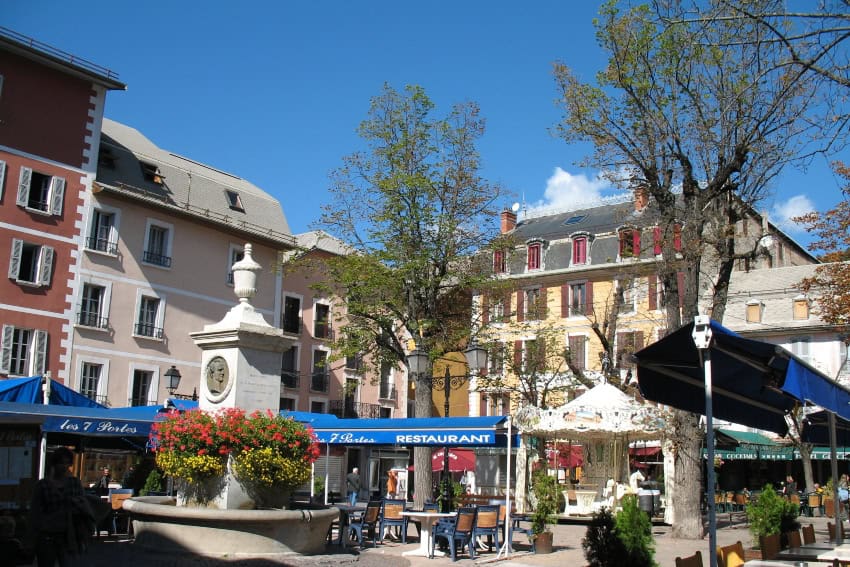
Most migration stories flow in a single direction: from one homeland to one destination. But what makes the Barcelonnettes’ story so interesting is not just that these new immigrants to Mexico happened to play an important role in a newly independent nation’s mercantile growth but also that these migrants’ journey from a small Alpine valley in southeastern France traced an unexpected triangle — connecting the French town of Barcelonette, the Cajun parishes of Louisiana and several regions of Mexico.
It was a journey shaped by ambition, family ties, cultural adaptation and the search for opportunity across three very different worlds.
Although little known today, this wave of migration — which began as a small stream of adventurous young Frenchmen in the early 1800s — produced lasting influence in Mexico’s commercial development and left behind a trail of families whose ancestry spans continents.
First stop: Louisiana
The Ubaye Valley surrounding Barcelonnette is beautiful but historically isolated. In the early 19th century, it faced economic pressures familiar in many mountain regions: limited farmland, scarce inheritance prospects for younger sons and the slow collapse of the textile and wool trade that had sustained earlier generations. Families encouraged younger members to seek their fortunes abroad, knowing that opportunities in the valley were few.
By the 1820s, the first migrants had already crossed the Atlantic. Over the next several decades, the trickle grew into a steady flow. Most were young men in their teens or early twenties who left with little more than determination and a letter of introduction from relatives or neighbors who had gone before them. Their destinations varied, but two stood out: Mexico and Louisiana.
A sense of familiarity
Louisiana offered a partial cultural familiarity. French was still widely spoken despite the Louisiana Purchase in 1803, Catholic parishes anchored community life and many Cajun and Creole towns preserved traditions that likely felt closer to home to these young men than the bustling ports of the northeastern United States. Some Barcelonnettes settled permanently in Louisiana, opening small businesses, forming partnerships and marrying into local families.

It was in places like Arnaudville, a Louisiana village with longstanding families of French ancestry, that the paths of Barcelonnettes and Cajun Louisianans crossed most clearly. The Arnaud and Arnauld families, deeply rooted in Louisiana’s French-speaking world, became connected to migrants from the Ubaye Valley through marriages and business ventures. These relationships created a small but significant bridge between southern France and the Acadiana region.
For others, Louisiana was only a waypoint. As economic opportunities expanded in Mexico — especially during the era of French influence under the Second Mexican Empire, and later during Mexico’s growing commercial expansion — many Barcelonnettes moved south. They followed cousins, siblings or former neighbors who had already established footholds in Mexican cities.
A new beginning in Mexico
Mexico proved to be fertile ground for the entrepreneurial spirit the Barcelonnettes carried with them. Arriving with modest means, they often began as shop assistants or itinerant merchants selling textiles, clothing or imported French goods. With hard work and careful savings, they opened their own shops and, in some cases, grew them into substantial enterprises.
By the late 19th century, Barcelonnettes had become influential in the retail and textile sectors of cities such as Mexico City, Guadalajara, Puebla, Veracruz and Durango. Several founded prominent department stores, such as El Puerto de Liverpool in Mexico City — now just known as Liverpool — the long-gone Las Fabricas de Francia, La Francia Marítima, La Louvre in Puebla, and the still-thriving Palacio del Hierro, founded by two Barcelonette migrants, Joseph Tron and Joseph Léautaud in 1891. These all became fixtures of Mexican urban upper and middle-class life heading into the 20th century, combining French style with Mexican tastes, appealing to customers eager for imported fashion and quality goods.
Despite their economic success, life in Mexico demanded deep adaptation. Many married into Mexican families, embraced Spanish and integrated into the cultural rhythms of the communities around them. Yet the ties to Barcelonnette remained strong.
Letters, remittances and visits created a constant flow of information between Mexico and the Alps. Successful merchants often went home to France and built lavish villas in the Ubaye Valley — summer homes intended for eventual retirement, though not all lived long enough to return permanently.
Louisiana-Mexico-France: A three-way identity
The link between the Barcelonnettes in Mexico and the families of Louisiana produced a distinctive cultural blend. Some families moved back and forth between the two regions, carrying Cajun French expressions, Catholic rituals, and Louisiana culinary influences into Mexican homes.
Others returned to Louisiana after periods of uncertainty in Mexico, particularly during the Mexican Revolution and the postwar turbulence of the early 20th century.
Their children and grandchildren grew up in a world where Alpine French heritage, Cajun traditions and Mexican identity coexisted. This combination produced unusual family histories, where a Mexican grandmother might speak of an ancestor from the Ubaye Valley, while a cousin in Louisiana preserved a surname whose origins lay deep in the French Alps.
Although the number of Barcelonnettes was comparatively small, the cultural impact of this triangle was profound. Families were shaped by multiple migrations, multiple languages and a constant negotiation of belonging.
A legacy worth recovering
Today, after being nearly lost to history, the story of the Barcelonnettes is receiving renewed attention. In France, museums in Barcelonnette document the migration and display archival letters, photographs and artifacts sent back from Mexico.
In Mexico, historians and descendants are piecing together forgotten branches of family trees through parish records, business archives and oral histories. Mexico’s Economy Minister Marcelo Ebrard Casaubon, for example, has proudly talked about his Barcelonnette descent on both sides of his family. On his father’s side is Barcelonnette migrant Jean Baptiste Ebrard, who founded the Liverpool department store in 1872.
In Louisiana, the connection is less widely known, but genealogical research is increasingly uncovering ties between Cajun families and Alpine migrants who passed through the state on their way south.

For Mexico, the revival of interest is not merely nostalgic. It highlights a global Mexico that was connected to Europe and the United States in ways often previously overlooked. It also restores dignity to the personal stories of migrants who navigated enormous distances — geographical and cultural — to build new lives.
Remembering the migrants who bridged worlds
The Barcelonnettes were never a large community, but their journey carved a unique path across continents. Their lives wove together the traditions of a remote French valley, the cultural richness of Louisiana and the dynamic, often challenging, landscapes of Mexico. Their descendants continue to embody this blend, whether in the Ubaye Valley’s grand villas, the quiet cemeteries of Cajun country or the bustling streets of Mexico’s historic cities.
But nowhere is this transatlantic legacy more visible than in Barcelonnette itself: The town has embraced its Mexican ties forged by generations of migrants.
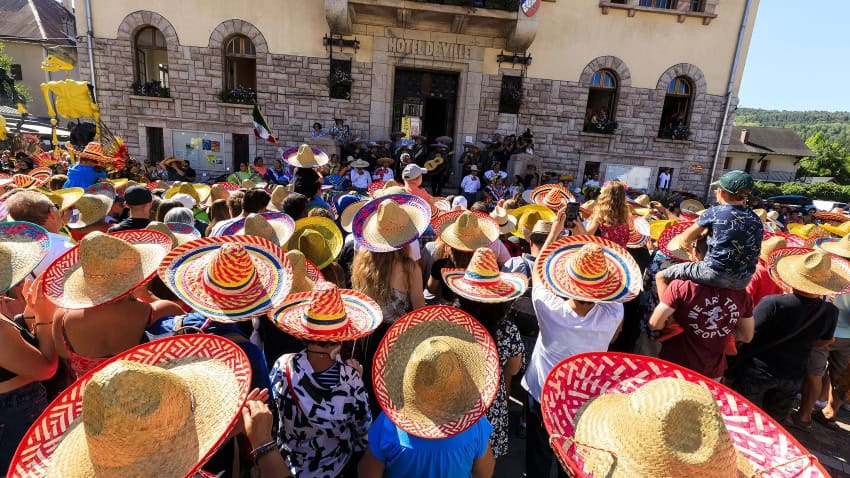
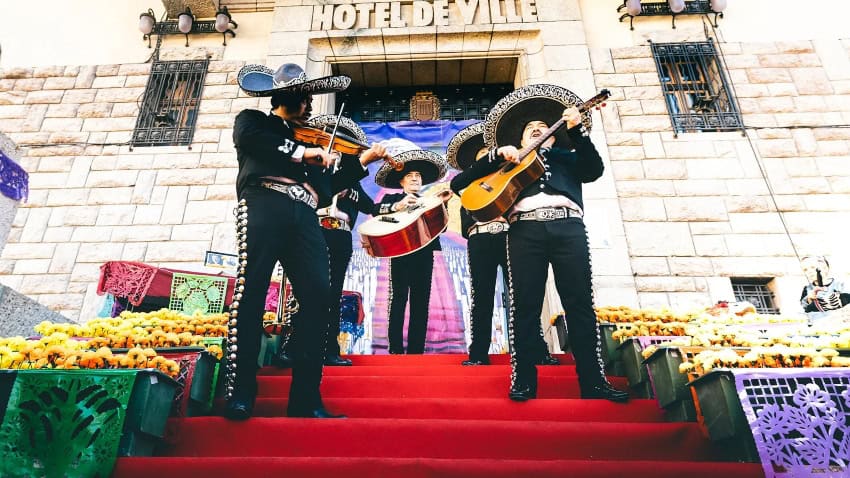
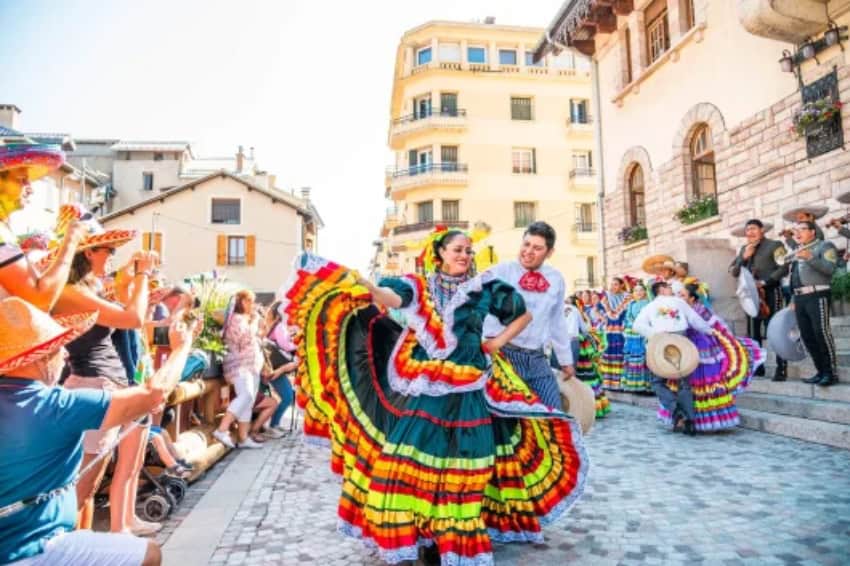
Each summer, mariachi groups parade through Barcelonnette’s Alpine streets in black suits with silver trim, an arresting contrast against the surrounding peaks. The main plaza bears the name Place Valle de Bravo, honoring its Mexican sister city, and Avenue Porfirio Díaz has existed since 1907. For more than thirty years, the annual Latino-Mexican Festival has brought music, dance and visitors to the valley, celebrating a cultural fusion few would expect in this corner of the French Alps.
In remembering these migrants, we recover a chapter of history that illustrates how the movement of just a few thousand determined individuals can leave lasting marks on nations and families. Their story — stretching from the Alps to the bayous to the heart of Mexico — is a testament to resilience, ambition and the enduring human impulse to create new worlds while carrying pieces of the old.
Peter Jeschofnig is an Austrian-American retired scientist who has lived and traveled internationally for decades and now resides in Ajijic, Mexico. He writes on Substack about personal travel narratives, regional Mexican history and stories that connect people, places and cultures across borders.