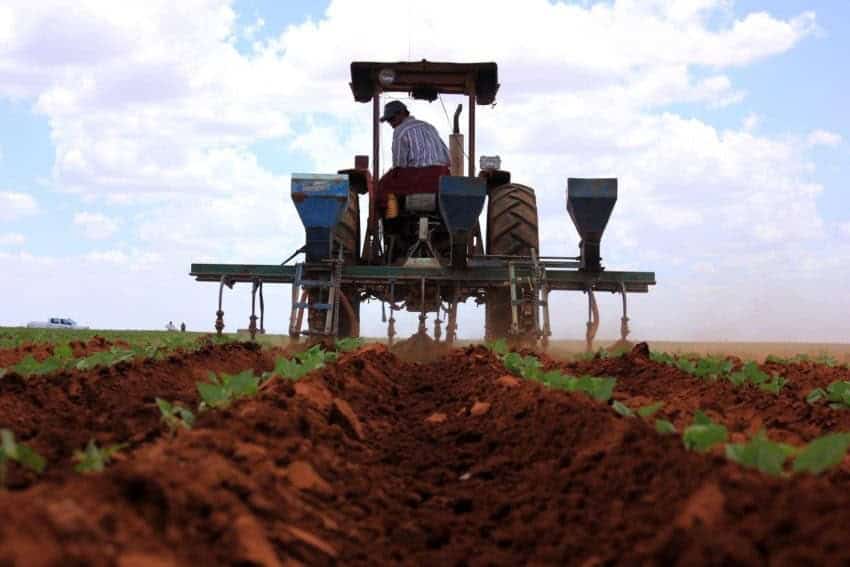
Few economic relationships are as closely intertwined as the agricultural food systems of Mexico and the United States. Mexico is the largest agricultural trading partner of the U.S., while the U.S. is by far Mexico’s primary market. According to the U.S. Department of Agriculture (USDA), the United States sources roughly half of its fresh fruits and vegetables from Mexico, while Mexico imports billions of dollars in U.S. corn, soybeans, dairy and meat annually.
The U.S. accounted for about 91% of Mexico’s agricultural exports in 2024, according to Banco de México and the USDA Foreign Agricultural Service. Bilateral trade benefits both countries through farm operations, food processors, trucking networks, port operators and rural jobs on each side of the border.
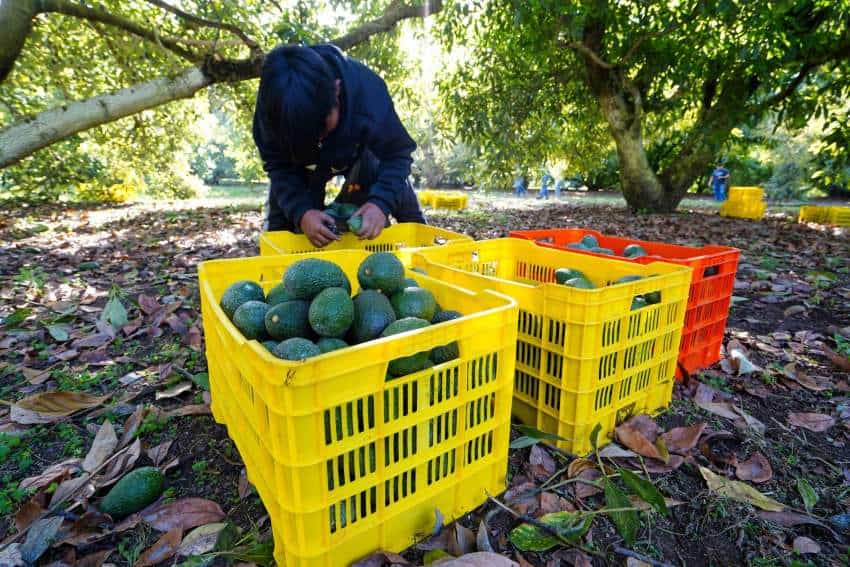
For decades, tariff-free trade under the United States–Mexico–Canada Agreement (USMCA) provided predictability. However, that certainty is now being tested by tariffs, legal reversals and emerging trade disputes.
The 2025 tariff shock
Trade tensions escalated on Feb. 1, 2025, when U.S. President Donald Trump signed executive orders putting 25% tariffs on imports from Mexico and Canada. Mexican President Claudia Sheinbaum announced potential retaliatory tariffs and non-tariff measures on U.S. products.
The tariffs officially took effect on March 4, 2025, though partial exemptions were granted for USMCA-compliant goods. By mid-2025, roughly 84% of Mexico–U.S. trade remained tariff-free under USMCA rules, according to U.S. trade data.
However, sector-specific duties had more dramatic consequences. In July 2025, the U.S. imposed a 17% duty on most fresh Mexican tomatoes after negotiations failed to renew a long-standing agreement. Mexico supplies roughly 70% of the U.S. fresh tomato market. The tariff sent shockwaves through agricultural regions such as Sinaloa and Baja California, affecting not just farmers and exporters, but also packing houses, transport companies and local labor markets.
The tariff ripple extended to input costs and production decisions. Even with partial exemptions for USMCA-compliant fertilizers, feed and machinery, Mexican producers faced higher operating expenses. Many had to recalibrate planting plans, reduce acreage for high-input crops, or switch to lower-cost alternatives to maintain financial viability.

Legal reversal and Section 122
Market instability intensified on Feb. 20, 2026, when the U.S. Supreme Court ruled 6-3 that several emergency tariffs under the International Emergency Economic Powers Act exceeded presidential authority.
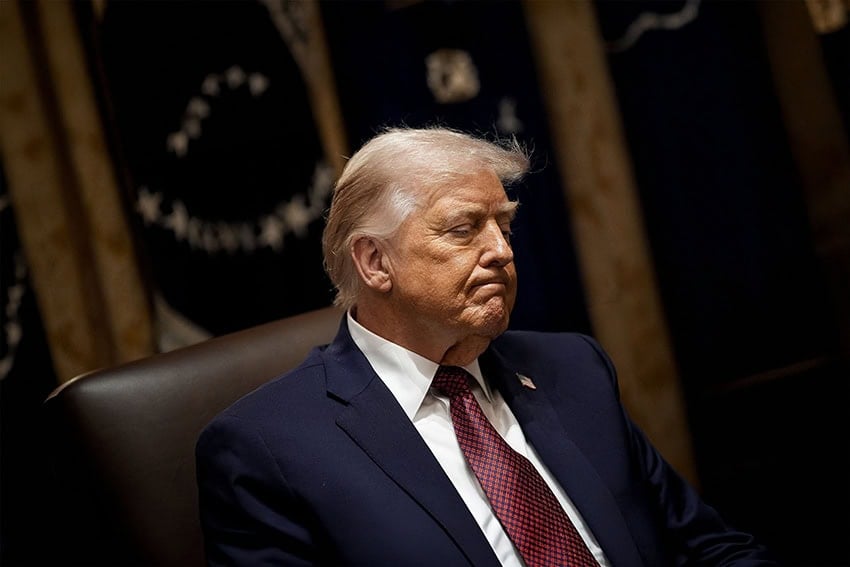
In response, the Trump administration invoked Section 122 of the Trade Act of 1974, allowing a temporary global tariff of up to 15% for 150 days without congressional approval. While USMCA-compliant goods — including beef, certain fertilizers and feed inputs — were largely exempted, not all Mexican producers were safe.
The rapid sequence of tariffs being imposed, struck down and replaced within days created extreme uncertainty. Trade was thrown into flux. Producers were forced to renegotiate agreements, adjust shipments and reconsider crop cycles. Financial institutions also hesitated to extend credit under the volatile conditions, constraining the expansion of processing, storage and transport infrastructure.
The economic impact
Mexico’s agriculture sector felt the effects immediately. According to Banco de México, agri-food exports from January to July 2025 totaled US $31.9 billion — a 4.4% decline from the same period in 2024. Tomato shipments fell 18%, while grain, oilseed and livestock exports also decreased.
High-volume staples like tomatoes, peppers and cucumbers remained resilient in volume due to U.S. dependence but suffered downward price pressure. Specialty crops such as asparagus, garlic and mushrooms saw sharper declines in demand, reflecting heightened sensitivity to tariffs and price volatility.
The cascading effects extended beyond exports:
- Rising input costs for fertilizers, feed, seeds and machinery increased production expenses.
- Price volatility affected domestic markets, sometimes pushing retail prices upward.
- Employment risks threatened seasonal and permanent jobs in export-dependent regions.
- Investment uncertainty slowed the expansion of processing and cold storage infrastructure.
Collectively, these pressures reshaped producer decisions on crop selection, acreage and livestock management, while increasing overall financial risk.
Livestock and the screwworm ban

Tariffs were only part of the challenge. In 2025, the United States suspended imports of Mexican cattle due to the New World screwworm parasite. The ban sharply curtailed live cattle exports and depressed livestock revenues.
USDA Mexico Livestock and Products reports (February 2026) note that over one million head of cattle were redirected to domestic feedlots. Domestic slaughter is forecast to rise, putting downward pressure on beef prices and boosting internal consumption.
While beneficial for consumers, ranchers experienced disrupted cash flow, forcing rapid adaptation to domestic markets. Many relied on U.S. dollar export revenues, illustrating the vulnerability created by market concentration.
Mexico’s defensive measures
Mexico responded with selective tariffs to protect domestic industries:
- Tariffs of 156–210% on sugar imports from countries outside free-trade agreements.
- Tariffs up to 50% on imports from non-Free Trade Agreement countries, such as China, Brazil and India.
Critics warn these measures could raise consumer prices and reduce competitiveness. Supporters argue they are necessary to protect rural employment and safeguard strategic production.
Diversification: Canada and the European Union
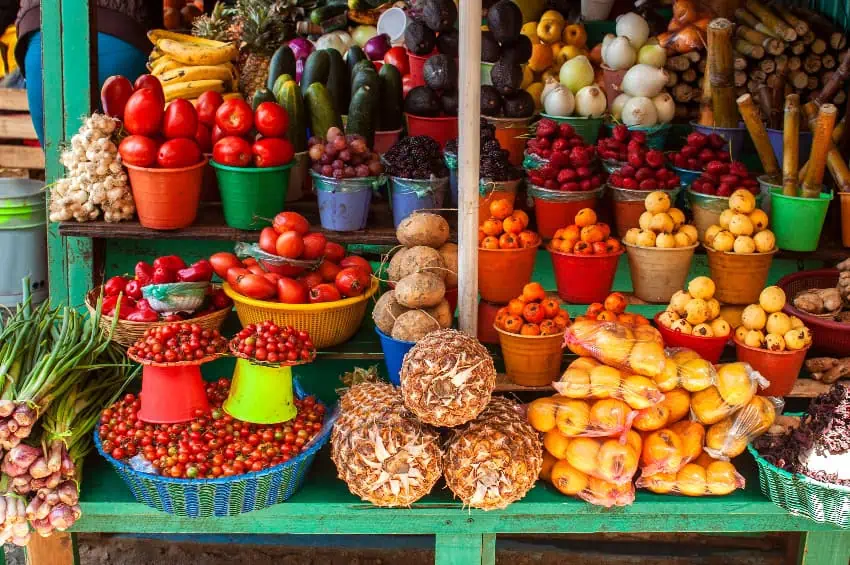
Amid U.S. volatility, Mexico is accelerating diversification. Early 2026 efforts with Canada aimed to streamline meat exports, improve sanitary protocols and expand trade in fruits and vegetables. Bilateral trade reached US $56 billion in 2024.
Mexico is also preparing a modernized trade agreement with the European Union to reduce over-reliance on the U.S.
While diversification offers opportunities, geography and established supply chains continue to favor the U.S., keeping Mexico exposed to North American trade policy shifts.
Navigating the uncertainty
All of these pressures converge as the 2026 USMCA review approaches. Proposals to split the trilateral pact into bilateral agreements have heightened uncertainty, affecting crop planting, feed procurement, export contracts and investment decisions. The review could reshape tariffs, regulatory alignment and dispute mechanisms — directly impacting Mexican producers’ profitability and risk.
Tariffs, legal reversals and sanitary measures continue to influence crop and livestock choices, rural employment and financial planning. At the same time, they are driving adaptation: expanding domestic cattle production, diversifying export markets and recalibrating risk strategies.
For Mexican farmers, 2026 is no longer just about the harvest — it is about navigating unprecedented volatility while sustaining livelihoods and preserving one of North America’s most integrated food supply chains. How the USMCA review unfolds will be pivotal for the agricultural sector’s resilience.
Irena Vélez is a journalist at Wikifarmer, based in Seville, Spain. She holds a Bachelor’s degree in Journalism (Honours) from Carleton University in Ottawa, Canada, and reports on a range of topics, including agriculture, sustainability, and agribusiness.
To learn more about the agriculture sector, Wikifarmer empowers farmers, agribusiness professionals, and industry observers through four key pillars: the Wikifarmer Marketplace, connecting producers with buyers around the world; the Wikifarmer Library, a free, open-access knowledge hub with thousands of expert-authored articles; the Wikifarmer Academy, offering online courses with certifications to enhance agricultural skills; and Wikifarmer Price Insights, providing real-time market intelligence on key commodities.