Seven is a magic number, and Nación de Vinos is celebrating its seventh edition with the country’s largest gathering of wine enthusiasts, industry professionals and culinary artisans this week, as the biggest show in wine rolls into Mexico City on Jan. 28th and 29th.
The Campo Marte event space will once again welcome nearly 4,000 visitors and 80 exhibitors across more than 4,000 square meters of exhibits, making it Mexico’s largest wine event of the year.
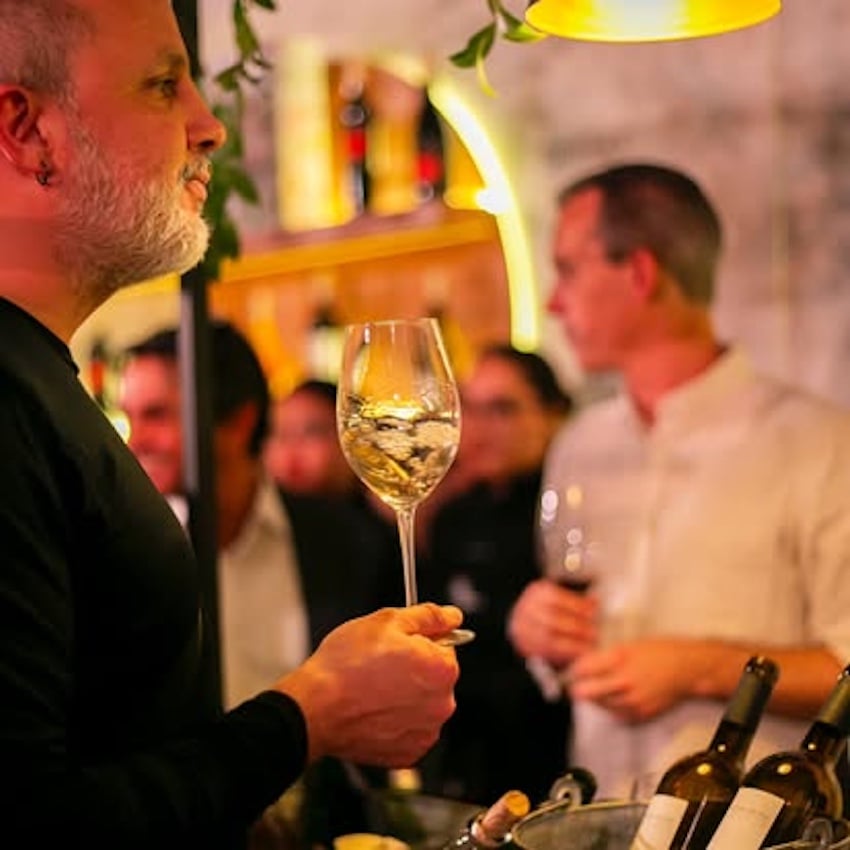
This year’s festival features nine restaurants providing wine pairings at each stand, while a dedicated bar area showcases classic and signature cocktails from four of the country’s most renowned establishments: Bar Mauro, FOMA, Café de Nadie and Long Story Short.
“Nación de Vinos is undoubtedly one of the most complete experiences in the world of wine,” said Armando Hernández Loyola, an oenology professor at Anáhuac University who has attended every edition. “It not only showcases producers but also allows visitors to enjoy wine in a festive atmosphere, which has contributed to the promotion and consumption of wine at a national level.”
Every year, experts and bon vivants look forward to the festival, eager to discover new offerings from national wineries and emerging players in the industry. Two-day tickets give attendees the opportunity to taste offerings from the country’s best restaurants and meet their chefs, though experiencing everything remains a delightful challenge.
Four pavilions, countless discoveries
The festival is organized into four distinct pavilions, each featuring wineries, restaurants and tasting experiences from major brands.
The Red Wine Pavilion highlights bottles from Tierra de Origen (Jalisco), Espíritus Enológicos (Baja California), Pozo de Luna (San Luis Potosí) and López Rosso (Zacatecas).

The Arena Pavilion features Bodegas Ícaro, a quality benchmark; Dos Búhos from San Miguel de Allende; Norte 32 and Casa de Piedra from Baja California’s Guadalupe Valley; Cuna de Tierra (Guanajuato); Casa Quesada (Aguascalientes); and prestigious international winery Henry Lurton. One of Jalisco’s most surprising star wineries, Altos Norte, will also pour there, alongside Hacienda Florida from Coahuila.
BMW Mexico sponsors the Cobalt Pavilion, which offers culinary experiences including Siembra, a tortilla mill and restaurant in Mexico City, alongside Viñedo El Refugio (Hidalgo), Bodegas Santo Tomás, Juguette, Australian wines designed for Mexico, Don Perfecto from Parras Coahuila, and Viñedo San Miguel de Comonfort (Guanajuato).
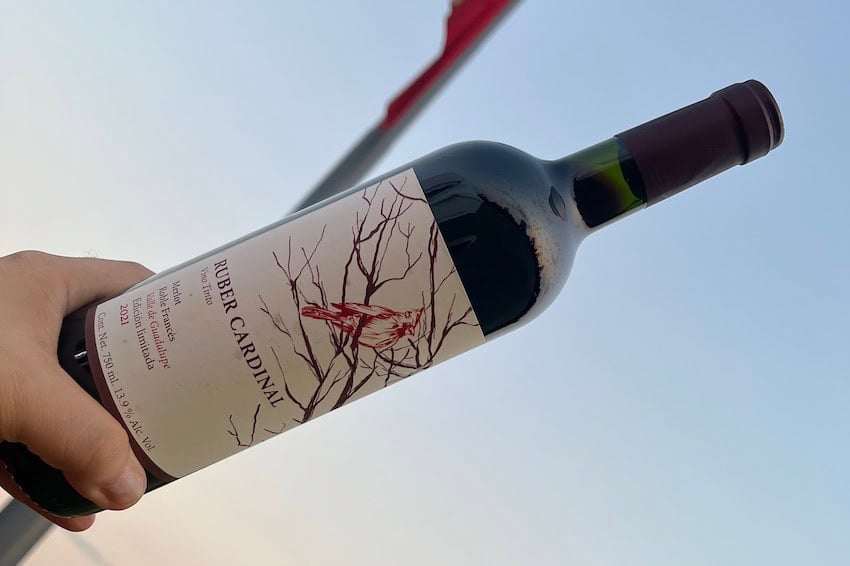
Pabellón Arcilla features Lechuza, Casa Domecq, Catifol de Caborca (Sonora), Casa Madero, Lotería from Dolores Hidalgo (Guanajuato) and Ruber Cardinal, a delicate blend made in Baja California.
Meanwhile, Comal Oculto — whose culinary concept is defined as “corn and love” — will be serving at the Heineken Terrace.
Small producers with a big impact
Gustavo Spíndola, owner of Ruber Cardinal, represents the small-batch winemakers who have found a platform at Nación de Vinos. His carefully crafted wines use Merlot grapes from Baja California, aged in French or American oak barrels to create two different expressions of the same grape.
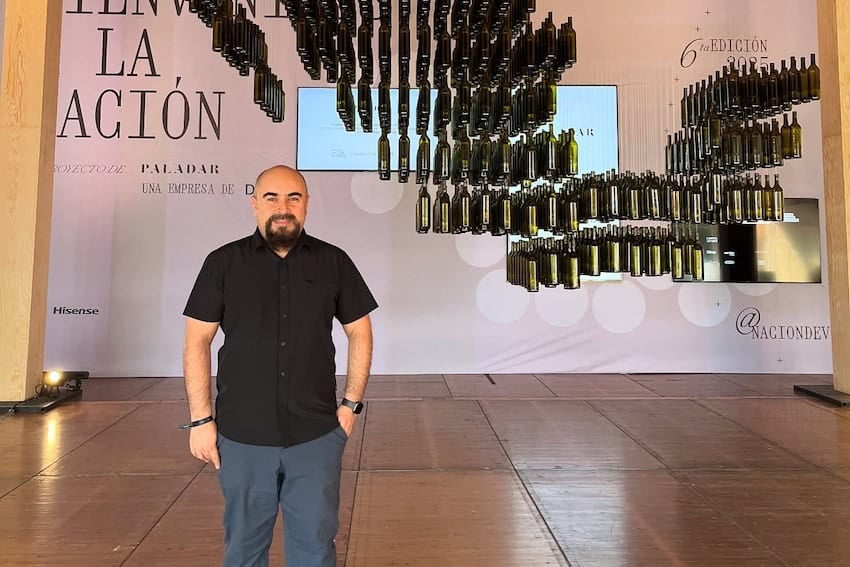
“Participating in such a major event has had a very positive impact on the image and positioning of my project,” Spíndola said.
Hernández Loyola, who holds a master’s degree in business administration and a bachelor’s degree in chemistry, has developed his expertise through research projects in wine-producing regions including Chianti, Italy, and Jerez, Spain. He completed a specialization in winemaking under oenologist Laura Zamora, considered one of the country’s pioneering winemakers. During more than three years as a university professor, he has trained nearly 450 students in wine culture.
Beyond the glass
Green areas throughout Campo Marte provide space to relax, while the venue’s signature massive Mexican flag waves overhead. Live music fills the air between tastings, and wine is available for purchase. The exhibition area itself is smoke-free.
Since its inception, Nación de Vinos has been a watershed moment in the dissemination of wine culture in Mexico. Today, it stands as the country’s most important wine event — a truly unique experience for anyone passionate about wine, food and Mexican terroir.