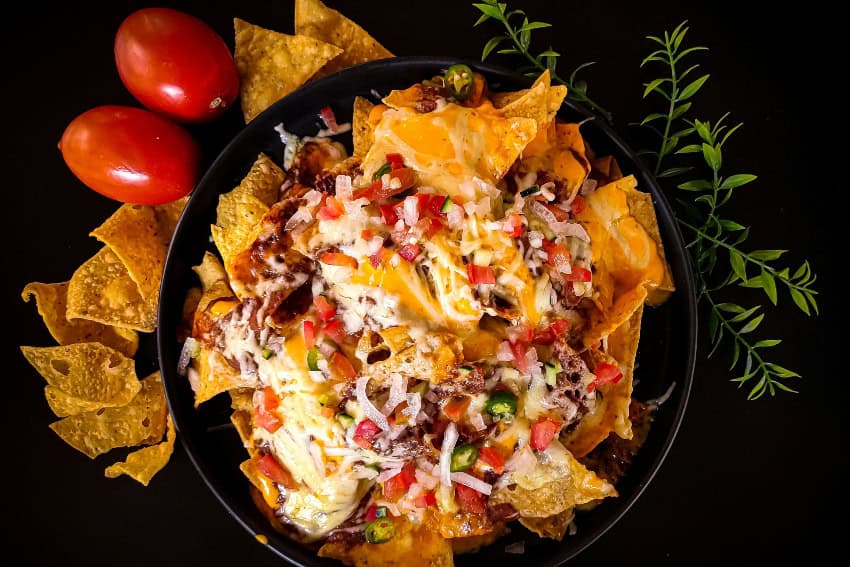
In Mexico, an endless debate spills across social media and enlists everyone from linguists and historians to cooks and passionate eaters: What belongs in a quesadilla? While cheese is an optional topping for many Mexican dishes — from tacos and tortas to chilaquiles and sopes — there is one contentious item that, depending on who you ask, is non-negotiable.
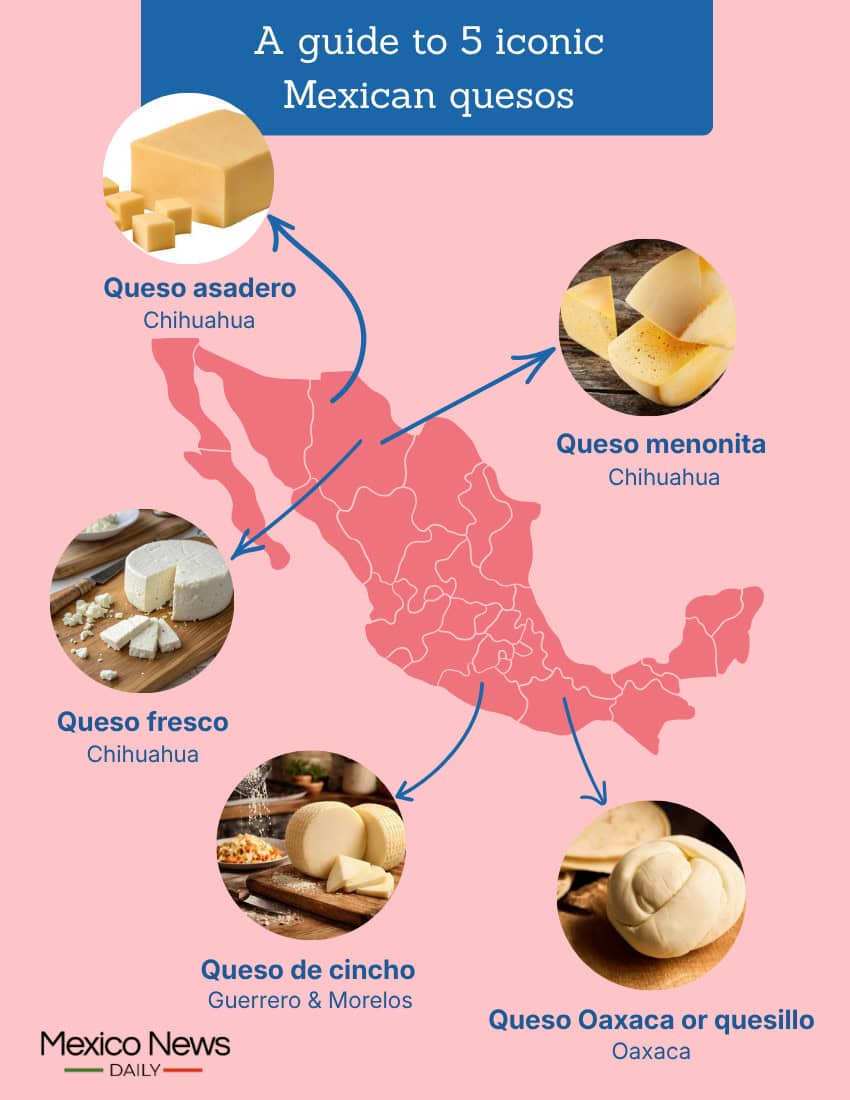
Now, we are not here to solve the great quesadilla debate, but unveiling the passion behind it shows just how central cheese is to Mexican gastronomy. From north to south, every region has crafted its own variety of queso tailored to its local heritage. Here are five of Mexico’s most iconic cheeses:
Queso Oaxaca (or quesillo)
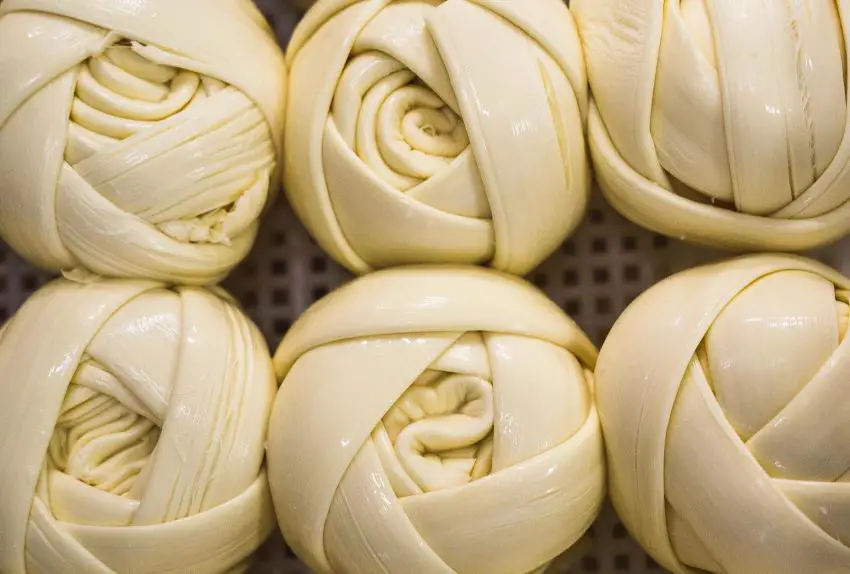
The cheese at the very heart of the debate — and a cornerstone of Mexican street food — is queso Oaxaca, locally known as quesillo. It is celebrated for its soft, buttery texture and its exceptional meltability over high heat, whether tucked into a sope, folded inside a quesadilla or pressed into a torta.
What differentiates quesillo from other cheeses is its distinct curdling method: It is hand-stretched into long, milky strands and wound into a ribboned ball. Achieving this pliable texture relies on warm preparation techniques that keep the cheese flexible enough to stretch and interlace without breaking.
Your guide to Mexican cheeses (and the dishes that love them)
Quesillo is indispensable in Mexican households as it can turn a simple tortilla (corn or flour) into a quick homemade quesadilla for dinner, transform refried beans and bread into crispy, freshly baked molletes, or serve as a quick, savory snack eaten straight from the fridge.

-
Originally from: Oaxaca
Queso de cincho
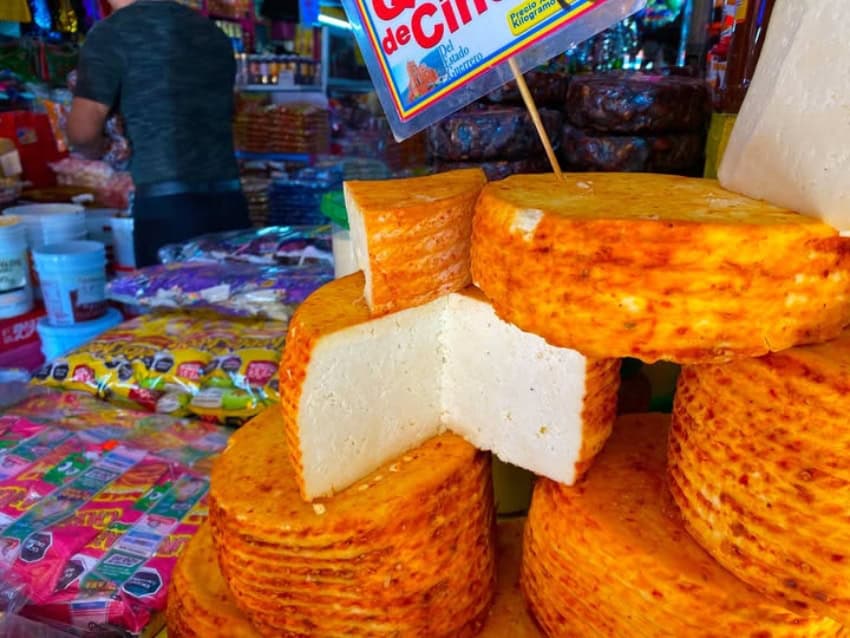
Loosely translated as “cinch cheese,” queso de cincho originates in the central state of Morelos and the southwestern state of Guerrero. Its name refers to the rigid mold used during pressing, which is bound tightly with woven ixtle palm fibers (the same durable rope material used in traditional horse tack and saddlery).
Also known as queso prensado estilo Guerrero, this firm, aged cheese carries a strong aroma and is typically rubbed with a paste of dried guajillo chiles. While frequently crumbled over enchiladas or chilaquiles, one of its most traditional preparations is simmered directly in salsa as a guisado. Thanks to its dense consistency and high protein content, it serves as a substantial centerpiece. Better yet, its low moisture content allows it to age naturally at room temperature for up to a year without spoiling.
-
Originally from: Guerrero and Morelos
Queso asadero
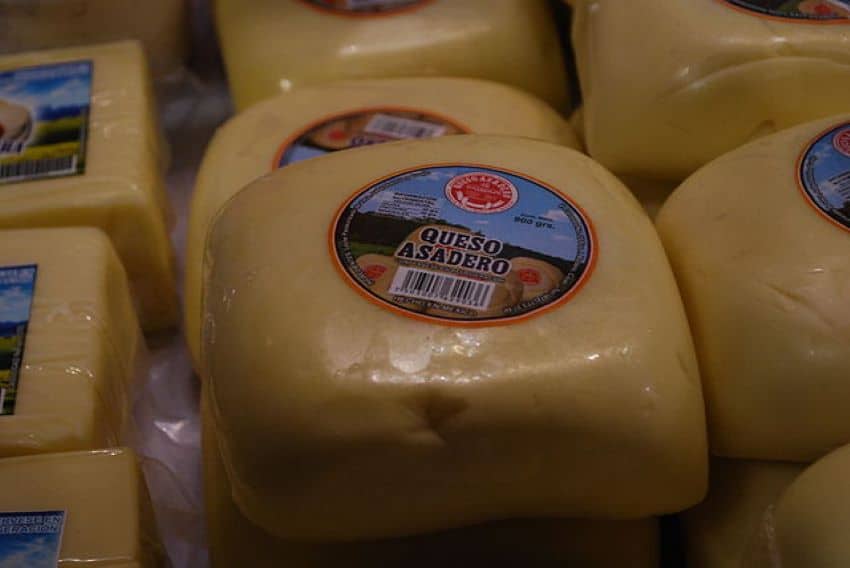
Just like quesillo, queso asadero is popular due to its creamy, melty texture and the gastronomic possibilities it offers. This type of cheese has similar uses to queso Oaxaca; it can be used in quesadillas, and it is common at northern cookouts, paired with a great steak. If you’ve been to one of those, the name “asadero” might sound familiar — it comes from the word asado (grilled), a clue on how to enjoy this cheese.
-
Originally from: Chihuahua
Queso fresco
View this post on Instagram
Queso fresco is a crumbly, soft cheese that is high in moisture and protein. Due to its short aging process (which is where the name fresco — or fresh — comes from), it is difficult to keep for long periods. It must always be kept refrigerated and consumed within approximately two weeks.
Regarding its preparation and curdling, queso fresco is quite versatile, as it can be made with cow’s milk, goat’s milk or a blend of both. In contrast to meltable cheeses, queso fresco does not work as a quesadilla filling, but it is the perfect topping for side dishes, whether sprinkled over a salad, street corn or refried beans.
-
Originally from: Chihuahua
Queso Menonita
View this post on Instagram
Last but not least is Mennonite cheese, a famous variety that also comes from the northern region of the country. As its name reveals, it originates from a specific community: the Mennonites. Groups of Mennonite immigrants arrived in Mexico during the 1920s, and their cattle-ranching techniques thrived in the north.
Mennonite communities settled mainly in the drylands of Chihuahua and relied on dairy products, especially cheese, for sustenance. Nowadays — although the name remains — this smooth, buttery cheese is no longer exclusively made by Mennonite communities. You can find it melting inside chiles rellenos, on Mennonite-style pizzas or in choriqueso (a dish of melted cheese combined with seasoned chorizo).
-
Originally from: Chihuahua
Cheese has been a companion to Mexican cuisine for centuries. One key to understanding its strong northern presence is the geographic distribution of agriculture and livestock in Mexico. As you travel from south to north, the climate becomes drier, making the land better suited for cattle ranching than crop cultivation.
It is no surprise, then, that cheese became a fundamental pillar of northern Mexico’s economy and gastronomy.
After all, what would a northern carne asada be without quesadillas (con queso)?
Lydia Leija is a linguist, journalist and visual storyteller. She has directed three feature films, and her audiovisual work has been featured in national and international media. She’s been part of National Geographic, Muy Interesante and Cosmopolitan.