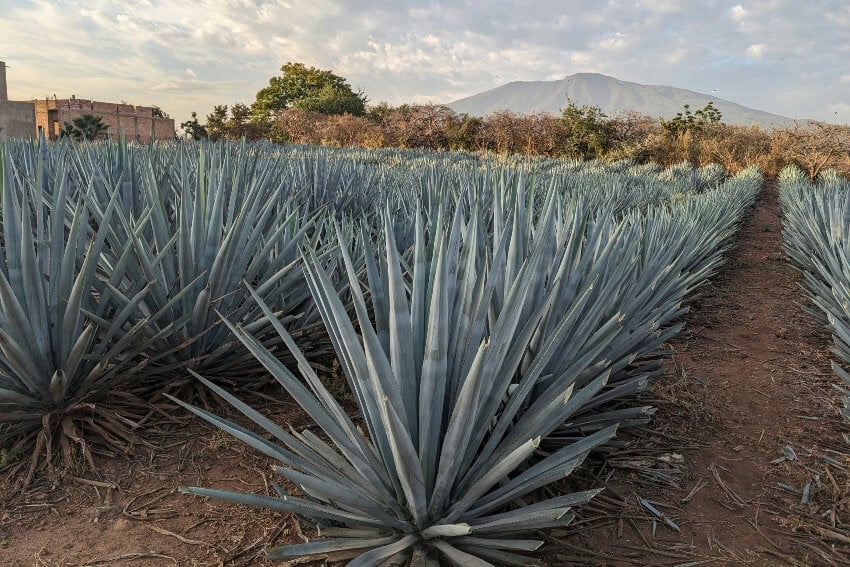
Agave is a spiky succulent belonging to the Asparagaceae family, meaning it’s more closely related to asparagus than cactus. It is a fundamental plant in Mexico’s cultural and natural heritage.
Of the world’s 210 agave species, Mexico is home to 159, including 129 that are endemic. That means Mexico has the greatest agave biodiversity, hosting about 75% of global agave species.
Carl Linnaeus, widely regarded as the father of modern taxonomy, named the plant in 1753 after the Greek word agauē, meaning “noble” or “illustrious,” reflecting its importance among native cultures. Across Mexico’s 68 Indigenous languages, agave has various names. Perhaps the most well-known is metl, from Nahuatl, which forms part of the word mexcalli, the origin of “mezcal.”
Breaking down agave’s many sizes and shapes
While Agave parviflora reaches only 4 to 6 inches in height, agaves in the Salmianae family can grow up to 14 feet tall and as wide as 20 feet.
The octopus agave (Agave vilmoriniana) earned its name because its rosette resembles outstretched octopus arms, while Agave parryi looks like a giant artichoke heart.
Jalisco’s Los Altos Tequila Route opens new path for rural tourism ahead of 2026 World Cup

The flower stalk of the agave, called a quiote, can reach up to 33 feet and grow up to 4 inches a day.
The life cycles of agaves differ greatly. While Agave tequilana, also called blue agave, flowers within five to seven years after planting, Agave deserti can live for up to 55 years. The vast majority of agaves, however, are monocarpic, meaning they flower once and then die.
Mezcal vs. tequila
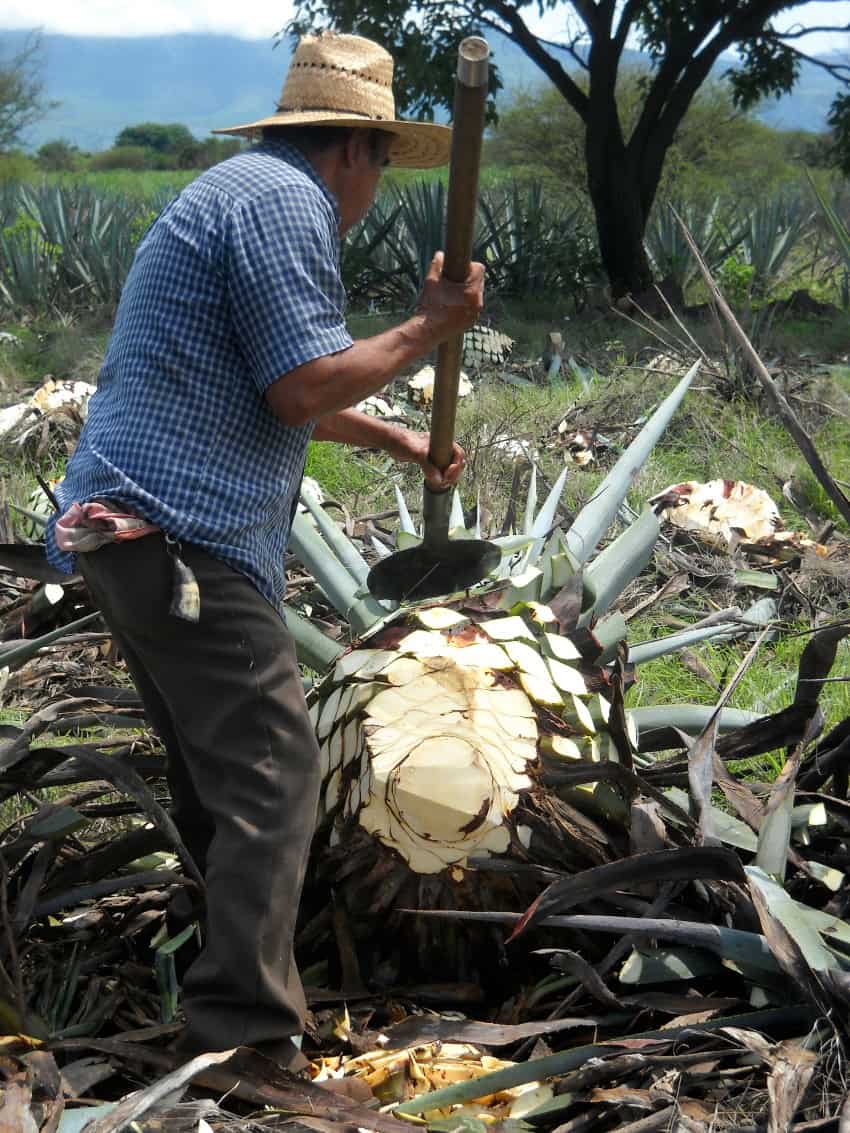
Agave has been used by Mesoamerican and Aridoamerican people since pre-Hispanic times: It was a source of food and fiber, served as a building material, and its spines were made into needles.
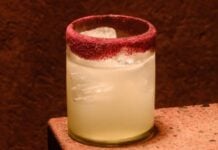
More than a dozen spirits and beverages are made from the agave plant, such as tequila, mezcal, aguamiel, pulque, bacanora, comiteco and lesser-known distillates like raicilla, tutsi and tepe.
In Sonora in 1915, the governor banned all alcohol, including the regional agave distillate bacanora, to prevent moral perversion. Although prohibition was lifted in 1919, bacanora remained outlawed in Sonora until it was finally regulated in 1992.
Mezcal is known for its diversity. Up to 50 different agaves can be distilled into mezcal, and 12 states carry the Denomination of Origin.
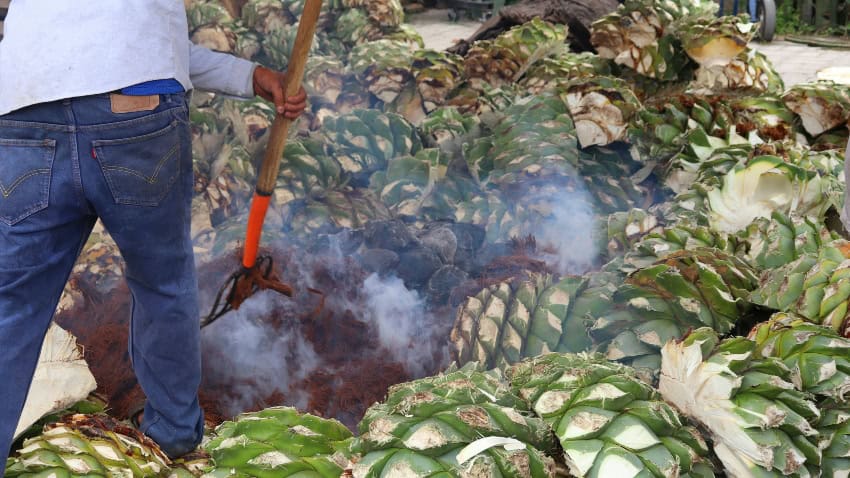
Oaxaca is the country’s main mezcal producer, responsible for 9 out of every 10 liters. The state is home to 35 agave species, which total 22% of nationwide agave biodiversity.
Tequila, meanwhile, can be distilled from only one variety, Agave tequilana. Five states produce tequila. From 2014 to 2023, the area planted with tequila agave increased by 167%, equivalent to 134,329 hectares, with Jalisco growing the most, at about 6,382 hectares annually.
Where do all of Mexico’s agave spirits go?
While mezcal production dropped to 6.9 million liters in 2025, representing a decline of 40% compared with 2024, Mexico’s tequila industry is still going strong.
In 2025, Mexico produced 17.7% more tequila than the year before. Of the 583.53 million liters of tequila produced, exports surpassed those of the three previous years, totaling 407.98 million liters.
The U.S. is the main tequila consumer worldwide. More than two-thirds of global tequila volume is consumed in the U.S., and more than four-fifths of Mexican tequila exports are sent to its northern neighbor.
Honoring the plant, protecting its soil
The agave plant is built to survive extreme heat and drought.
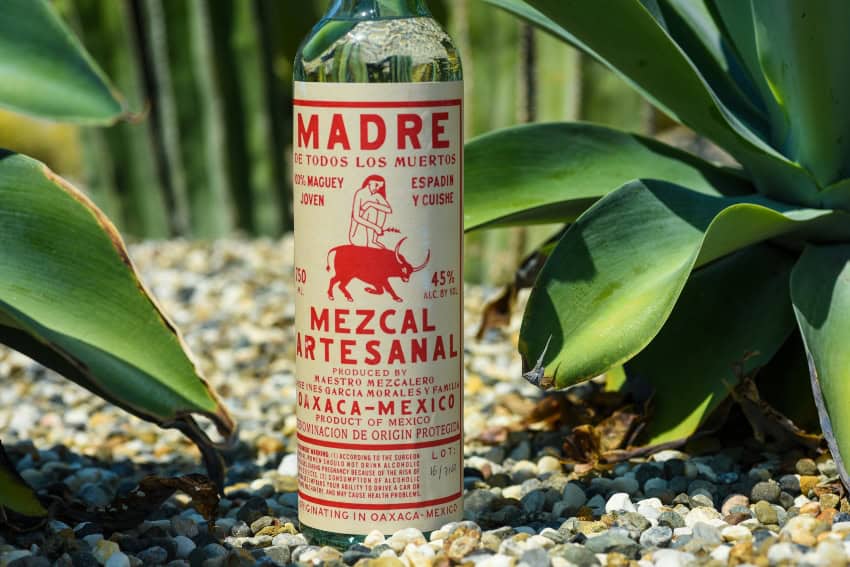
To absorb carbon dioxide (CO2), it opens its pores at night, when temperatures are lower and less water evaporates. It also helps prevent soil erosion and allows rainfall to penetrate the ground.
Allowing only 5% of agaves (222 plants) per hectare to flower could feed 89 bats per night, contributing to wild pollinator health.
But unsustainably managed agave monocultures pose risks to the environment. As a consumer, look for distillery brands with sustainable practices that can contribute to environmental health.
Simply put, to honor the noble plant is to protect the soil it grows in.
Katy Alivraz is a contributor to Mexico News Daily.