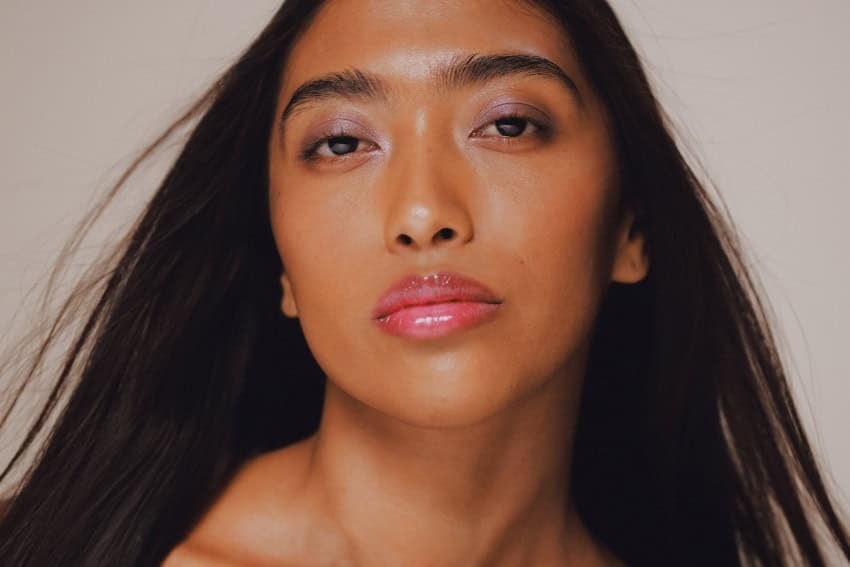
Pyramid-inspired palettes, bilingual packaging and vivid shades drawn from Mexico’s streets are just some of the hallmarks of AORA, a Mexican beauty brand that’s challenging the beauty industry with its plastic-free packaging and strong Mexican identity.
“We wanted to bottle the feeling of Mexico,” co-founder Rodrigo Peñafiel told Mexico News Daily. “We wanted to bottle that feeling you get when you visit a beach in Oaxaca; that feeling you experience when you visit Mexico City for the first time.”
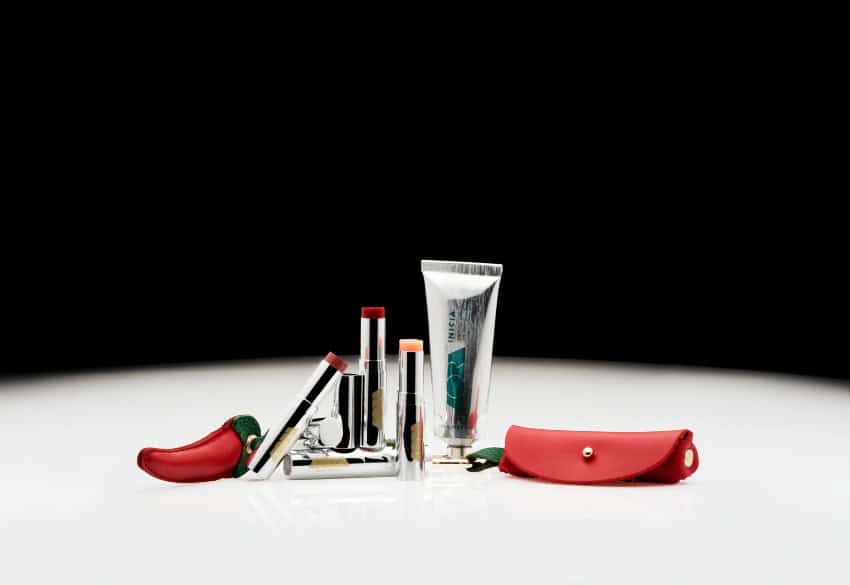
Since the opening of its flagship store in Mexico City in 2022, the brand has expanded into major retail chains, landed collaborations with international celebrities including Sofía Vergara, and most recently, served as one of the makeup brands used during Bad Bunny’s 2026 Super Bowl halftime show.
International expansion, however, didn’t come as a surprise. For Peñafiel and his co-founder Nour Tayara, going global was always part of the plan.
“Why would we build a small local brand when we have the opportunity to bring something big into the world?” Peñafiel said.
How a Tijuana ceramicist turned desert animals into an interior design concept

Combining Tayara’s experience in marketing and innovation roles within L’Oréal with Peñafiel’s background in public relations, the pair set out to create a brand that offered more than just clean, high-quality products. They wanted to create a luxury product with a strong focus on identity.
“We do luxury makeup by working with the best factories in the world. Because if we want to compete, let’s compete with spectacular quality. But what we’re bringing — we’re bringing culture,” Tayara said.
The brand’s DNA: Mexico
Rather than downplaying AORA’s Mexican identity to appeal to international consumers, the founders have made it central to the brand, drawing inspiration from the country’s creativity, colors, architecture and connection to nature.
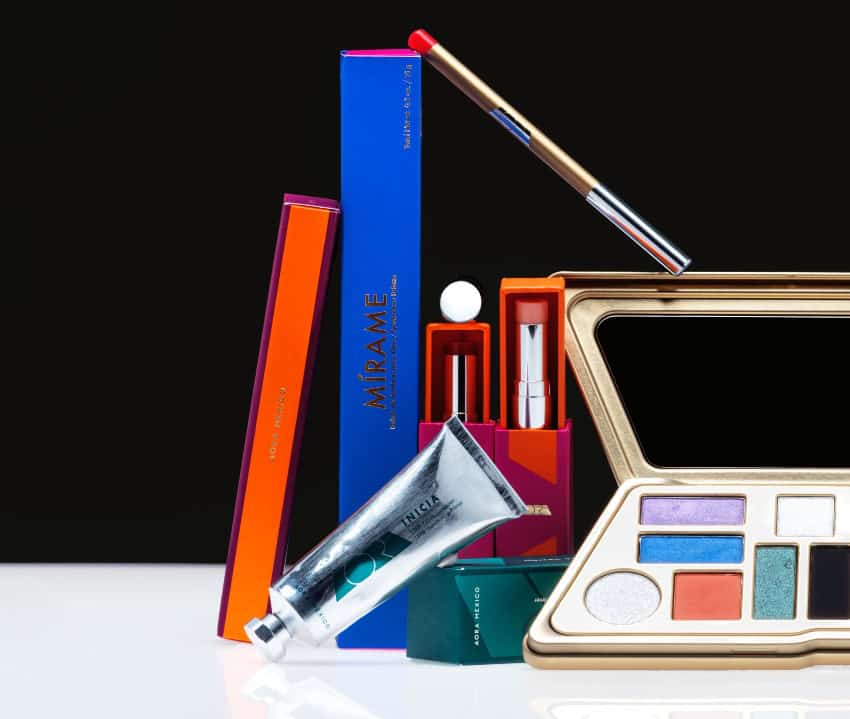
From the brand’s signature Mírame Eyeshadow Palette to their lipsticks, pencils and accessories, AORA’s products evoke Mexico’s cultural icons, historic landmarks and scenes from everyday life.
“In our palette, you can see a hint of Frida Kahlo, of Matías Goeritz, of Chichén Itzá,” Peñafiel said. “The shades inside our palette could evoke any street in Mexico with a yellow house and a green Volkswagen parked outside,” he added with a chuckle.
Launching the brand from Mexico also meant producing its marketing campaigns in the country. From their photoshoots to their male and female models, everything is done in Mexico with Mexican talent.
“Every detail about the brand reflects Mexico. We could not have created this brand if we hadn’t launched it here,” Tayara remarked.
A retail presence at Sephora
AORA’s authentic vision has propelled the company into a new growth stage after entering Sephora in the United States, making history as the first 100% plastic-free beauty brand sold at the retailer, and the first brand to use both Spanish and English on its packaging.
“Sephora is betting on a brand that’s very colorful from Mexico and is betting on its first plastic-free brand in its portfolio,” Tayara pointed out.
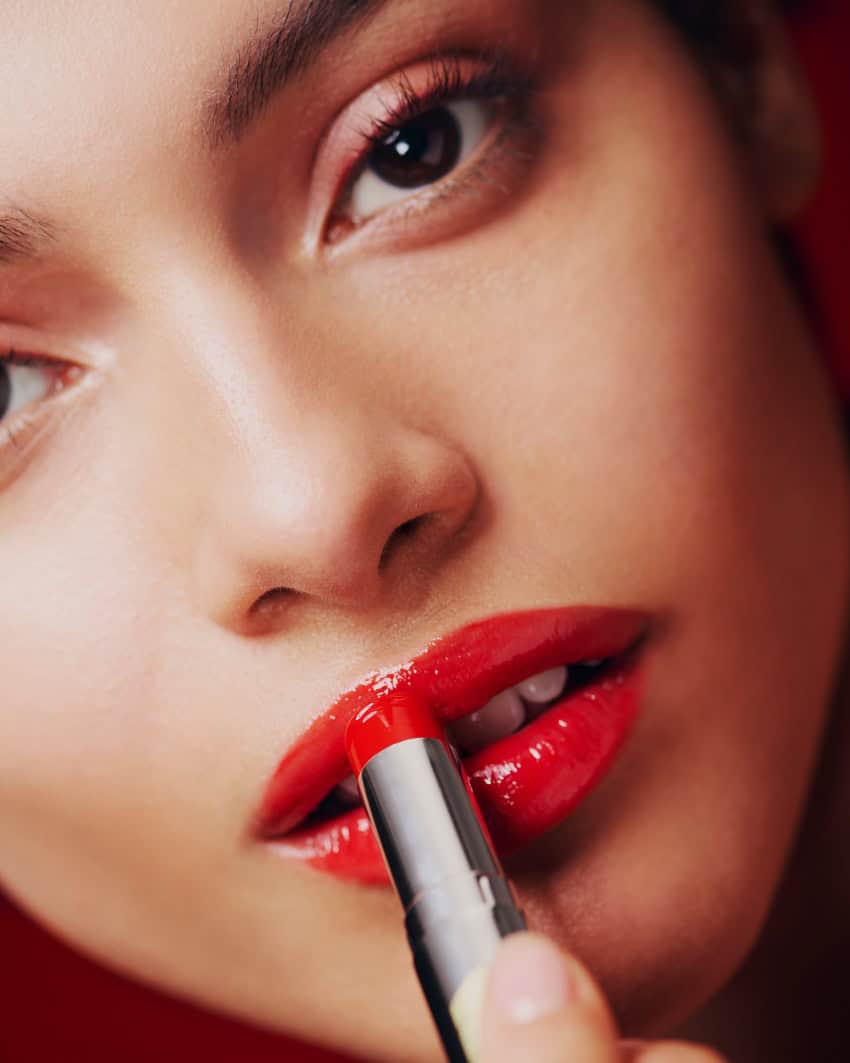
In a competitive market dominated by European and U.S. brands, AORA is disrupting the beauty industry and aims to demonstrate that luxury also stems from cultural heritage.
“We started something that didn’t exist before, which is creating luxury beauty in Mexico,” Tayara said. “We come to challenge the industry in the language, in the visuals, in the products and in sustainability,” he said.
For the co-founders, AORA’s debut in Sephora goes beyond having its products on the shelves of one of the world’s leading beauty retailers. It also signals support for a Mexican brand and recognition for the Latino consumer market in the U.S.
“I think there’s a recognition of the amount of people in the U.S. that are of Latino descent and speak Spanish. It is an amazing message and signal Sephora is sending to the industry,” Tayara acknowledged.
A growing curiosity in Mexican identity and design
AORA isn’t the first brand to place Mexican identity as the center of its appeal. In recent years, global brands have increasingly sought partnerships that draw on Mexico’s visual identity, cultural heritage and creative talent.
In 2025, cosmetic brand Rare Beauty, founded by U.S. actress and singer of Mexican descent Selena Gomez, launched an exclusive, limited-edition makeup kit in collaboration with the Mexican seasoning Tajín.
Selena Gómez’s Tajín-inspired makeup kit hits Mexican shelves
Back then, Gomez described the collaboration as a “celebration of what makes us unique — our culture, our energy and the moments that bring us together.”
Last year also saw H&M launch a collection in collaboration with fashion designer Lorena Saravia, marking the first time the Swedish brand collaborated with a Mexican designer.
Joining the trend is Mestiz, a design studio founded by Daniel Valero in San Miguel de Allende, which recently collaborated with French design house Hermès to design their shop windows in Mexico.
Mexico’s appeal to consumers
“Mexico is trendy,” Peñafiel said with a smile. “I think there’s a celebration of Mexican culture that hasn’t been seen before. The challenge was to pass the front page of the news that we see every day about the dangers of Mexico, because the reality is that when people come here, they are amazed and fall in love with the food, with the culture, with the colors, the beaches, the brands,” he said.
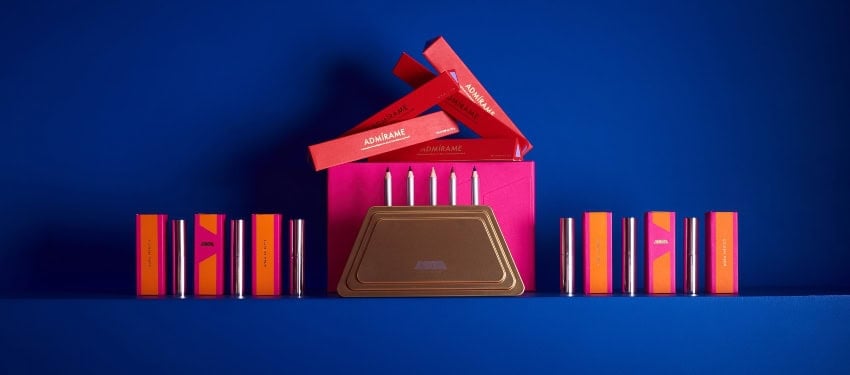
As AORA seeks to reshape perceptions of Mexican luxury abroad and share a positive image of the country, its founders say the brand’s ultimate purpose is more personal — to make consumers feel attractive.
“We buy beauty because we want to feel good about ourselves. Because we want to feel sexy,” Tayara said.
“Yes, we want our clients to feel sexy and hot, like Mexico,” Peñafiel said.
Gabriela Solis is a Mexican lawyer turned full-time writer. She was born and raised in Guadalajara and covers business, culture, lifestyle and travel for Mexico News Daily. You can follow her lifestyle blog Dunas y Palmeras.