Since I arrived in San Miguel de Allende over six weeks ago for a nine-week journalism internship, I have been trying to figure out why more international tourists do not come to central Mexico.
I have written about my experiences across the Bajío cities of Guanajuato and Quereétaro as well as Mexico City. I have been constantly surprised by the lack of American tourists, or sometimes even tourists in general, in what I felt like were incredible destinations for a vacation.
But I have yet to write about the tourists in the place where I’ve been living. A place flooded with local and international tourists on weekends and a place where the economy revolves around visitors. San Miguel is seemingly the one place in the region where American tourists are around every corner. So what sets San Miguel apart? Why do Americans flock here instead of Guanajuato or Querétaro?
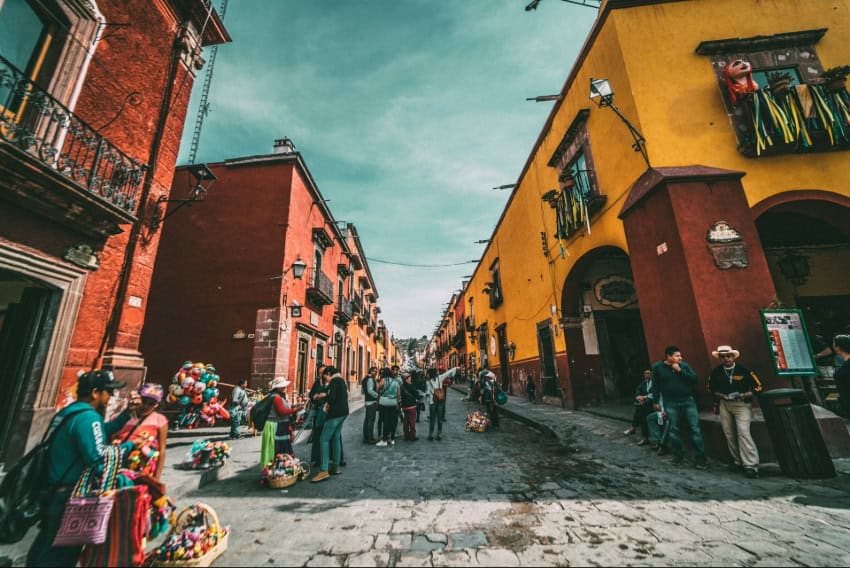
It all started nearly 80 years ago when the emergence of art schools in San Miguel allowed Americans to take classes abroad. This, in turn, brought new business and development, with hotels opening throughout the city. San Miguel’s famous colonial streets were declared a UNESCO World Heritage site in 2008, spurring more development and tourism.
Now San Miguel is widely regarded as one of the top international destinations in Mexico, bringing in over two million visitors each year. There are an abundance of vineyards just outside the city limits, fine dining is around every corner and luxury hotels are found all throughout town.
As more and more foreigners came to San Miguel and as the arts scene continued to grow, the town became increasingly accommodating to American tourists. Americans tend to like to feel comfortable abroad, and the prevalence of English in the town takes away a massive hurdle that might deter Americans from going to Guanajuato or Querétaro, where English is less prevalent.
More Americans also means more American food, more American sports on TV, and more spaces designed to make Americans feel comfortable. Jewish delis, burger joints and microbreweries covered with TVs are easy to find — and they are harder to come by in Guanajuato or Querétaro. More places for Americans will always lead to more Americans.

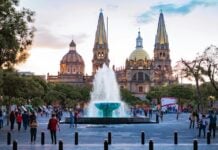
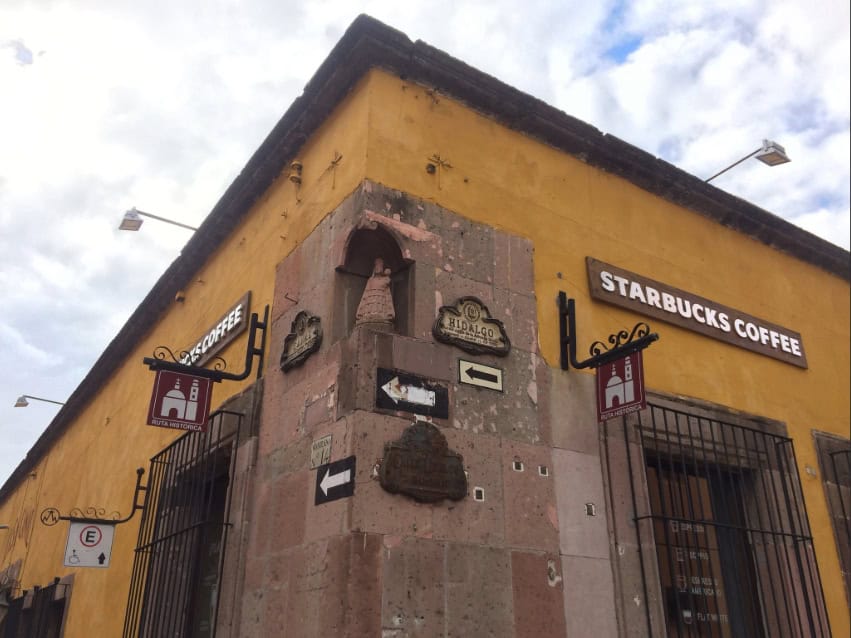
The invention of social media has also greatly benefited San Miguel’s tourism industry. The Parroquia de San Miguel Árcangel — with its towering spires and jaw-dropping pink facade — looks glorious in an Instagram story. The courtyards and gardens throughout the town also make for great photos, and some have called San Miguel’s local Starbucks the most beautiful in the world.
Once San Miguel was named the best city in the world by Travel and Leisure magazine, more visitors than ever began to arrive.
San Miguel is also small and relatively relaxed. It’s dense and walkable, to the point that residents do not need a car to get around. It has a large local bar scene, but not many clubs. The weather is consistent and relatively mild year-round. All of these — along with cheaper prices than the United States — have made San Miguel a picture-perfect place for American retirees looking for something different late in life. With retirees generally less motivated to learn Spanish, the influx of English-speakers forced business to cater to that demographic.
While San Miguel is definitely popular, it still is not widely known in the United States. When most Americans think of tourism in Mexico, they imagine the picturesque beaches of Cancún, Los Cabos or Puerto Vallarta. Mexico City is rapidly growing as an international tourist destination and those seeking more of an adventure have probably heard of Oaxaca. Despite the high volume of arrivals, San Miguel de Allende does not have the same level of international recognition as other Mexican destinations.
And it shouldn’t. San Miguel is a small city that has already been drastically gentrified. Homes throughout Centro have been replaced by shops and restaurants, the cost of living continues to climb, and there is a lack of jobs outside of the tourism industry.
So what sets San Miguel apart? It’s at the top of tourism rankings, while other beautiful Bajío towns receive less attention. It has splashes of Mexican culture while still feeling comfortable for Americans.
Does that make San Miguel better than other cities? Yes and no. It feels more Americanized, which makes it attractive to American tourists. But the vibe isn’t just American — it’s international. Expats mingle with locals, and travelers from all over the world visit the cobblestone streets. It’s a destination for a reason, but a lot of those reasons can be found in a lot of other cities in the region — without the crowds, or price tag, that have followed San Miguel’s fame.
Jared Tucker is a summer intern at Mexico News Daily in San Miguel de Allende and a rising senior at the University of Washington in Seattle, where he is the sports editor for The Daily UW. He was previously a fellow at TheFulcrum.us, where he covered public participation in American democracy.