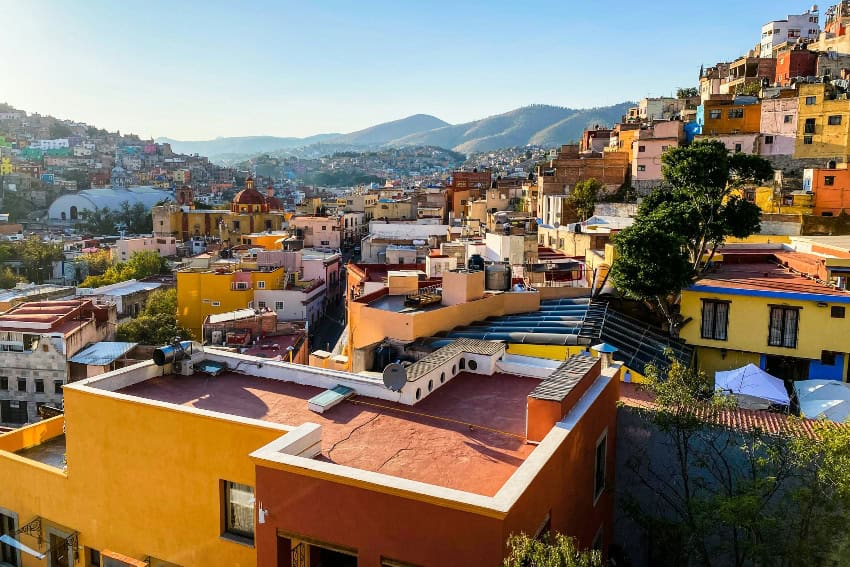
One of the things I’ve enjoyed most about writing this series is that it has made Omar and me look at familiar places through a completely different lens. Guanajuato isn’t somewhere we’ve just stumbled across. In fact, I should probably admit from the outset that it has a slight advantage over some of the other places we’ve considered. It’s one of my favorite cities in Mexico.
We’ve visited several times over the years, and we’ve even made the journey from Puerto Vallarta on our motorcycle, Dora. And that’s no small ride, let me tell ya! Until now, though, we’ve always arrived as visitors.
Could Guanajuato be our new home?
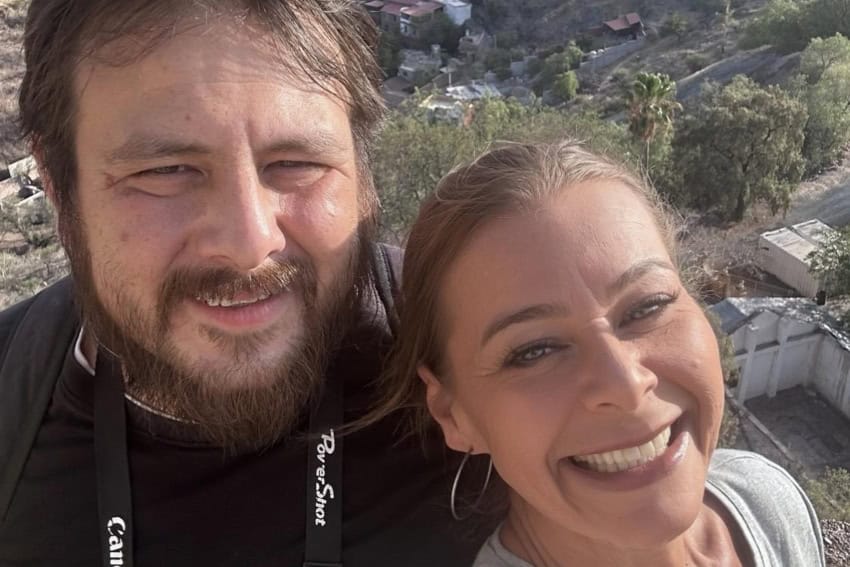
This latest trip felt different. Instead of planning which museums to visit or deciding where to have lunch, we found ourselves imagining what an ordinary Tuesday might look like. Where would we buy our groceries? Which café would become our regular spot? Would we still wander the colorful callejones months later, or would they simply become the route home?
That’s really what this series is about. It’s not about finding Mexico’s prettiest city. It’s about asking whether somewhere could become somewhere we’d love to call home.
If first impressions counted for everything, Guanajuato would already have won. The colorful houses spilling down the hillsides, the grand colonial buildings, the hidden plazas and the maze of narrow alleyways somehow feel both timeless and full of life. Around almost every corner there’s another view that makes you stop; another little street that begs to be explored. Even after several visits, we still find ourselves discovering corners we had never noticed before.
What I’ve always loved most, though, isn’t the architecture. It’s the atmosphere. Unlike some beautiful colonial cities that can feel as though they’re preserved primarily for tourists, Guanajuato has a heartbeat of its own.
The cultural vibrancy of Guanajuato
Thanks to the university, there’s a youthful energy that keeps the city vibrant throughout the year. Students fill the cafés, musicians gather in the plazas and there always seems to be something happening, whether it’s a concert, a theatre performance or simply groups of friends lingering in the Jardín de la Unión long after sunset.

It feels like a city that belongs to the people who live there. That matters more than I realized.
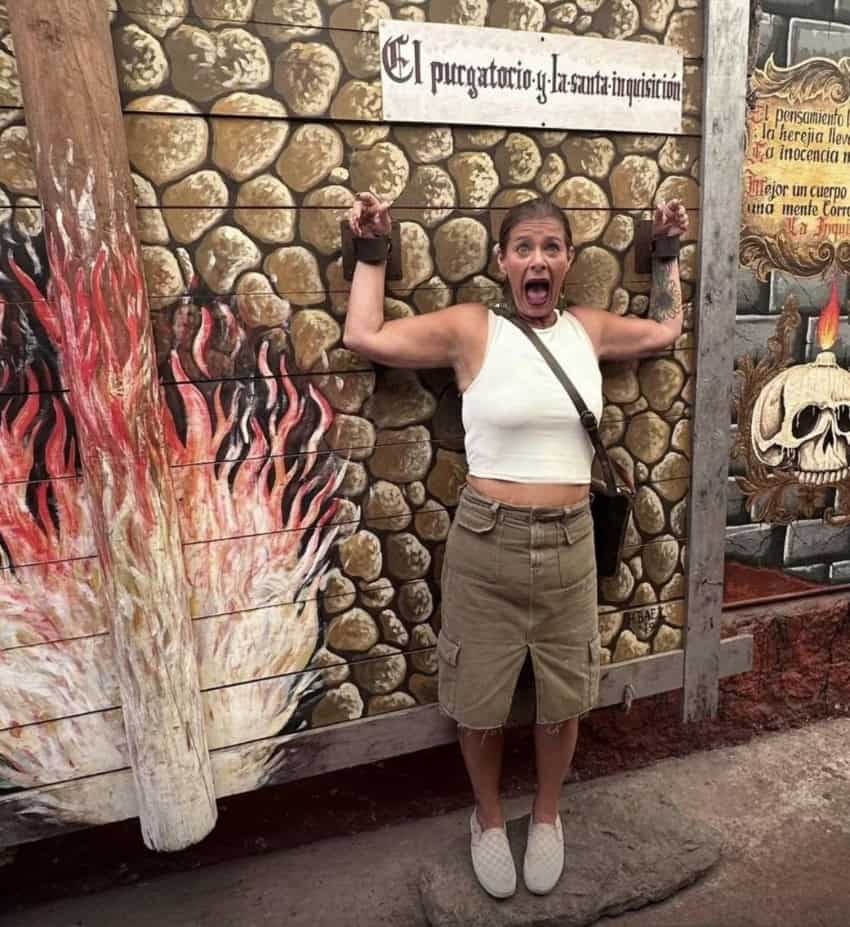
When you’re thinking about relocating, it’s easy to focus on practicalities like healthcare, shopping and housing costs. Those things are obviously important, but so is finding somewhere that still feels alive once you’ve unpacked the boxes. Somewhere that encourages you to leave the house because there’s always another exhibition to visit, another café to try or another street musician worth stopping to listen to.
I don’t think we’d ever be short of things to do here.
Guanajuato is packed with museums, galleries and historic sites, from the famous Mummy Museum to the former home of Diego Rivera. The city hosts the internationally renowned Cervantino Festival each autumn, but even outside festival season there’s a cultural richness that feels woven into everyday life rather than staged for visitors.
How does it rate for comfort and convenience?
One of the things Omar and I both enjoy every time we visit is how little we think about the car. We spend hours wandering with no particular destination in mind, discovering another tucked-away restaurant, another hidden square or another alley we’d somehow never noticed before. It reminded me how much I value places where walking isn’t something you make time for. It’s simply how you experience the city.
Of course, Guanajuato makes you earn those walks!
The city climbs almost as much as it stretches, and before long you’re tackling another steep street or another staircase. During a visit, I find it part of the charm. But because this series is about imagining everyday life rather than a holiday, I couldn’t help wondering how I’d feel carrying shopping home or making a quick trip into town on a hot afternoon.
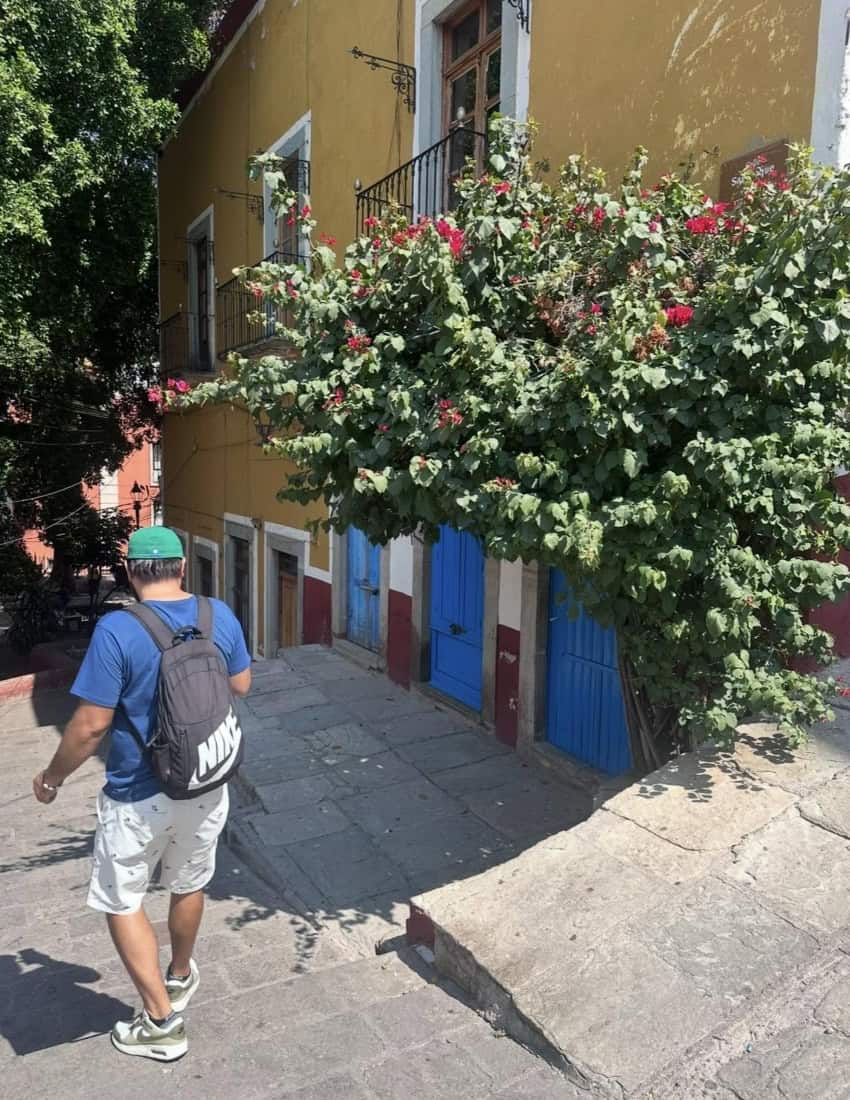
Then again, maybe that’s simply the trade-off. Places with this much character rarely come wrapped in convenience, and I’m not entirely convinced I’d want them to.
The city’s famous tunnel system only adds to its personality. Built beneath Guanajuato in former riverbeds, it’s unlike anywhere else we’ve experienced in Mexico. I’m sure we’d still miss a turn now and then, but I’d happily take a little confusion over endless traffic lights any day.
Climate and cuisine
The climate is another point in Guanajuato’s favor.
Living in Puerto Vallarta has made us become very familiar with humidity. Guanajuato offers something quite different. Days are generally warm without being oppressive, evenings cool enough to enjoy sitting outside and there are actual seasons. You might even find yourself reaching for a jacket at night … something that still feels like a novelty after living on the coast.
I found myself imagining long evenings in one of the city’s plazas with a coffee or a glass of wine, comfortable enough to sit and watch the world go by without looking for the nearest fan.
And then there’s the food!
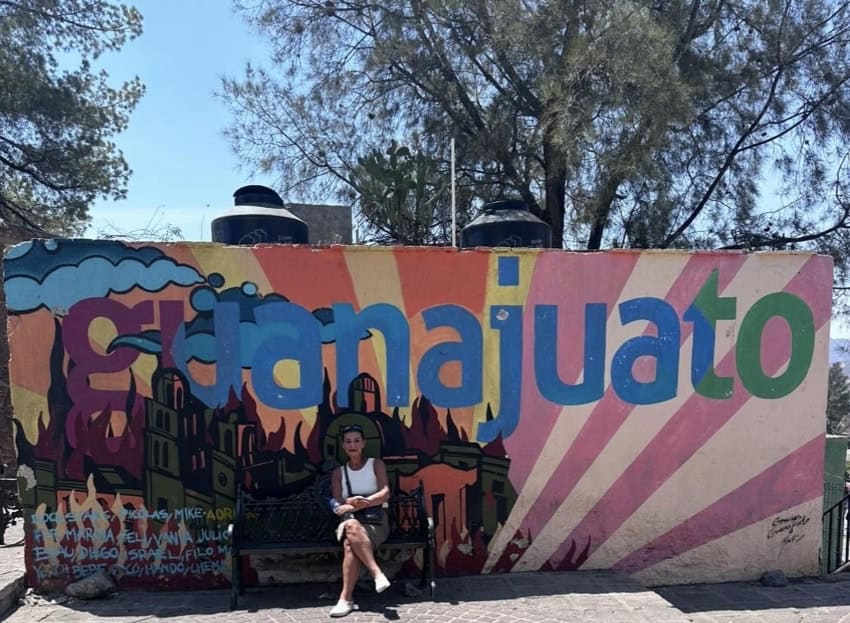
Every time we’ve visited, we’ve come away with a list of restaurants we’d happily return to. The city doesn’t have quite the same international dining scene as somewhere like Puerto Vallarta, but what it does have feels authentic and wonderfully varied. Traditional Guanajuato cuisine sits comfortably alongside modern Mexican restaurants, cozy cafés and enough hidden gems that I suspect we’d still be discovering favorites years after moving here.
For me, that’s always a good sign. If a city’s food scene keeps surprising you after multiple visits, it’s probably somewhere you could happily settle for the long haul.
Practical considerations
As always, though, we found ourselves looking beyond the romance and thinking about the practicalities. After all, choosing somewhere to live isn’t just about finding a place that excites you. It’s about finding somewhere that works.
Healthcare is one of those things we’ve become increasingly conscious of as we’ve imagined putting down roots somewhere new. Guanajuato has good healthcare for everyday needs, with specialists and modern facilities in the city itself. For more complex procedures or specialist treatment, León is only around 30 minutes away and offers some of the best medical facilities in the Bajío region.
That’s reassuring because, whether we like it or not, it’s the sort of thing you have to think about when you’re planning for the long term rather than the next holiday.
Airport access
The same goes for transport.
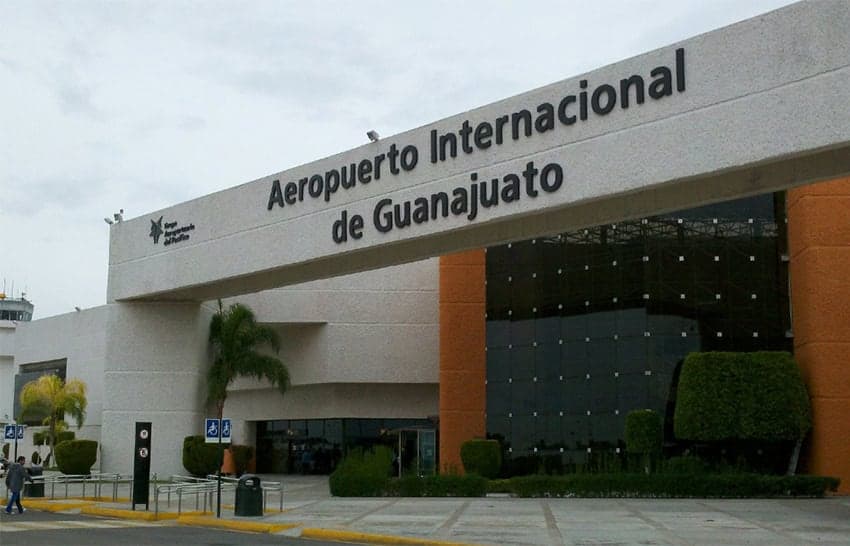
One thing that surprised me the first time we visited was just how well connected Guanajuato is. Guanajuato International Airport, near Silao, is roughly half an hour away, making domestic travel straightforward and offering direct flights to several cities in the United States, plus destinations across Mexico. Living near Puerto Vallarta, we’ve become used to having a good airport nearby, so it was nice to realize we wouldn’t be sacrificing that convenience.
Shopping is another consideration that probably doesn’t cross your mind when you’re visiting somewhere for a few days.
Markets and shopping
The historic center has plenty of markets, bakeries, fruit and vegetable stalls and small neighborhood shops that make daily errands feel pleasantly local. For larger supermarkets, home improvement stores or those inevitable trips to stock up on things you can’t find in the Centro, León and the commercial areas around Guanajuato have everything we’d need.
It struck me as a nice balance. We’d still be able to support local businesses for most of our day-to-day shopping, without feeling isolated from the conveniences of modern life.
Although the historic center is wonderfully walkable, I don’t think we’d want to be without a vehicle altogether. Not because we’d need it every day, but because one of the biggest advantages of living in Guanajuato would be exploring everything around it. We’d almost certainly find ourselves taking spontaneous drives to Dolores Hidalgo for lunch, heading over to San Miguel de Allende to catch up with friends or spending weekends discovering small towns we’d never heard of before. Having that freedom is something we’d miss if we relied entirely on public transport.
Cost of living and lifestyle factors
Affordability was another pleasant surprise. Compared with some of Mexico’s other well-known colonial cities, particularly San Miguel de Allende, Guanajuato still feels relatively attainable. Housing prices have certainly risen, as they seem to have almost everywhere. But the city still offers excellent value if what you’re looking for is history, culture and quality of life rather than exclusivity.
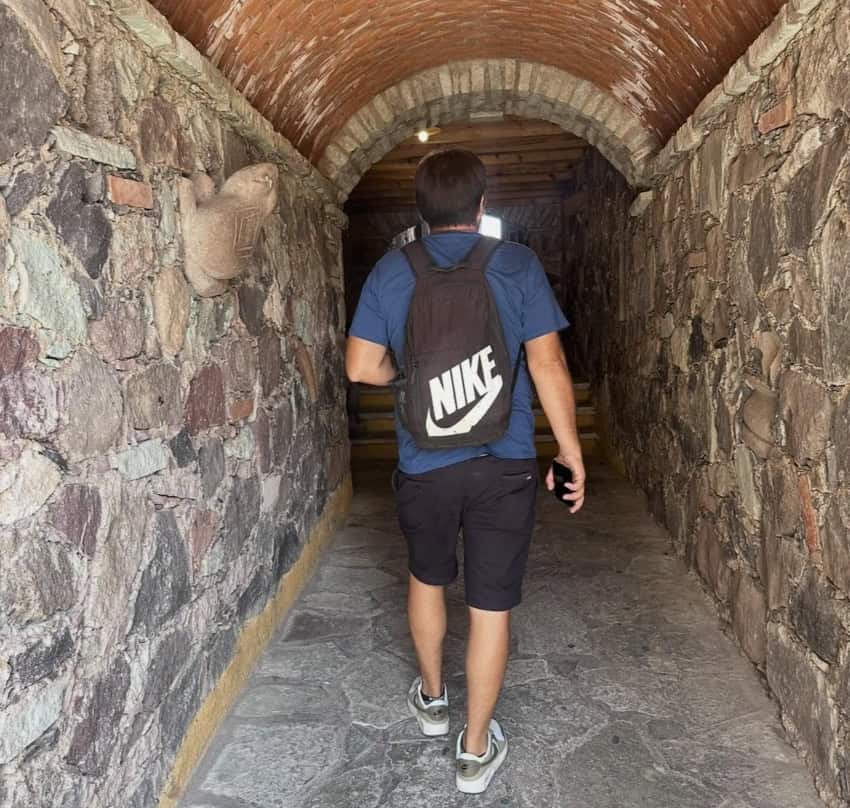
That’s something we kept coming back to. There are places in Mexico that feel as though they’ve been discovered to the point where locals and newcomers are competing for an increasingly limited housing market. Guanajuato didn’t give me that impression. It still feels like a Mexican city first and foremost, and that extends to the international community.
There are certainly foreigners here, enough that newcomers wouldn’t feel completely alone, but they don’t dominate the city in the way they do in some destinations. Personally, I found that appealing. Part of what we’ve loved about living in Mexico has been feeling immersed in Mexican life rather than living in an international bubble, and Guanajuato seems to offer exactly that balance.
Crime and safety concerns
Then there’s the question everyone asks. What about safety?
The state of Guanajuato regularly appears in national headlines because of organized crime in certain regions, and we’d be doing ourselves a disservice if we ignored that entirely. At the same time, one thing we’ve learned from living in Mexico is that statewide statistics rarely tell the whole story.
Talking to people who actually live in Guanajuato paints a much more nuanced picture than reading headlines from hundreds or even thousands of kilometers away. Residents acknowledge the challenges facing parts of the state while also describing a city where daily life continues much as it always has.
That doesn’t mean dismissing legitimate concerns. It simply means doing what we’ve tried to do throughout this series: look beyond the headlines and ask what everyday life is actually like. For us, that means speaking to locals, returning more than once, exploring neighborhoods instead of just tourist attractions and trusting our own experiences alongside the data.
So, could we live here? I think we could. In fact, of all the places we’ve written about so far, Guanajuato might be the one that’s been hardest to assess objectively simply because I already love it.
Is this our new home?
Would we miss the coast? Without question. Would we occasionally regret choosing a city built on hills? Probably while carrying groceries. But every place we’ve considered has involved compromise. Some offer convenience but little personality. Others have stunning scenery but don’t quite feel alive once the visitors go home.
Guanajuato strikes a balance that very few places manage. It has history without feeling stuck in the past, culture without feeling contrived and enough everyday life to make it feel like somewhere we’d genuinely belong rather than somewhere we’d simply admire.
As Omar and I continue wondering where the next chapter of our lives might take us, Guanajuato remains firmly on the shortlist. Maybe that’s because we’ve known it for years. Maybe it’s because every visit reveals something we hadn’t noticed before. Or maybe it’s simply because, even after all this time, it’s still one of the few places that makes us ask not, “When can we come back?” but, “What if we never really had to leave?”
The search continues …
I’m still not sure where we’ll eventually end up. But if this series has taught me anything, it’s that finding the right place isn’t about discovering somewhere that’s perfect. It’s about finding somewhere whose imperfections you’re happy to live with.
Guanajuato’s imperfections might just be part of its charm.
Charlotte Smith is a writer and journalist based in Mexico. Her work focuses on travel, politics and community. You can follow along with her travel stories at www.salsaandserendipity.com.