It all started with a twisted scarlet seedpod … such a beautiful, unexpected thing lying at my feet. Then curiosity set in, and I began to notice the plants around me.
Mexico’s amazing plants eventually inspired not just curiosity, but creativity. Thus, for the first time in 30 years, I picked up a sketchbook again. That was two and a half years ago. Today, my third sketchbook is almost complete.
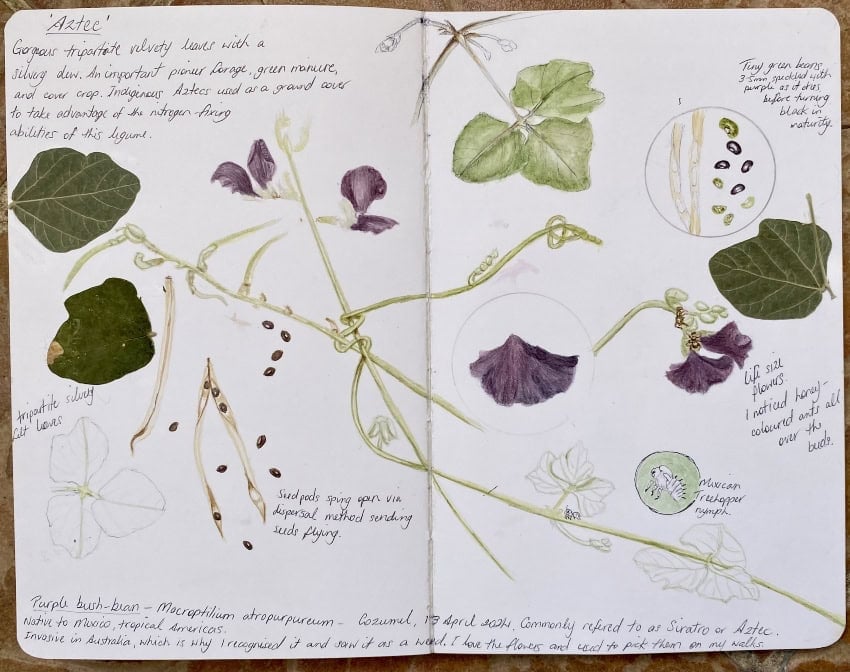
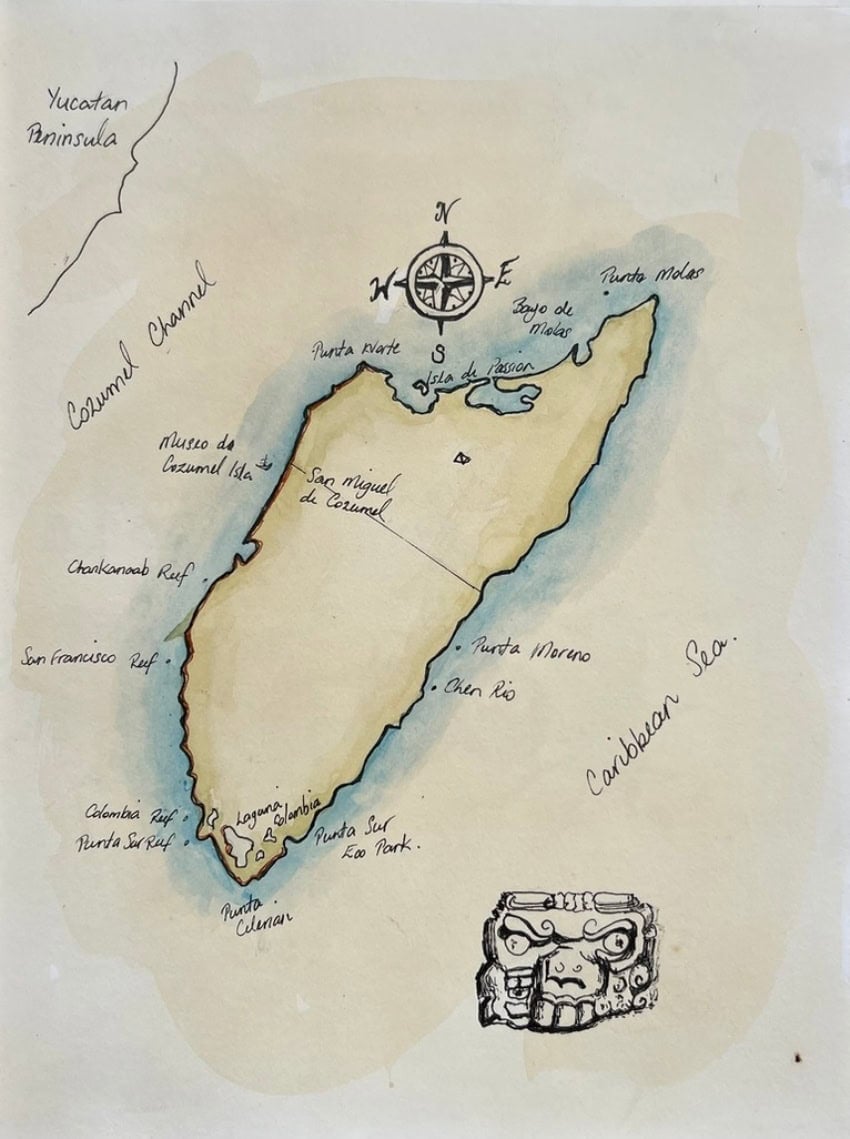
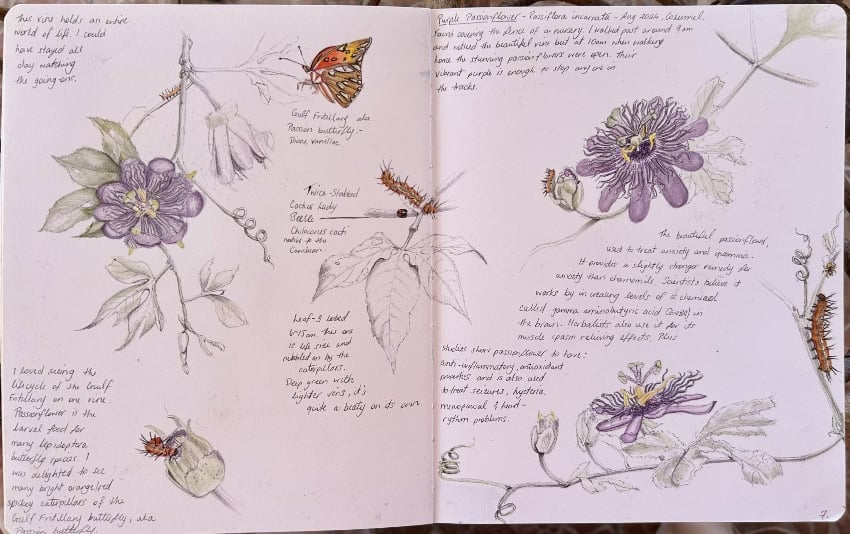
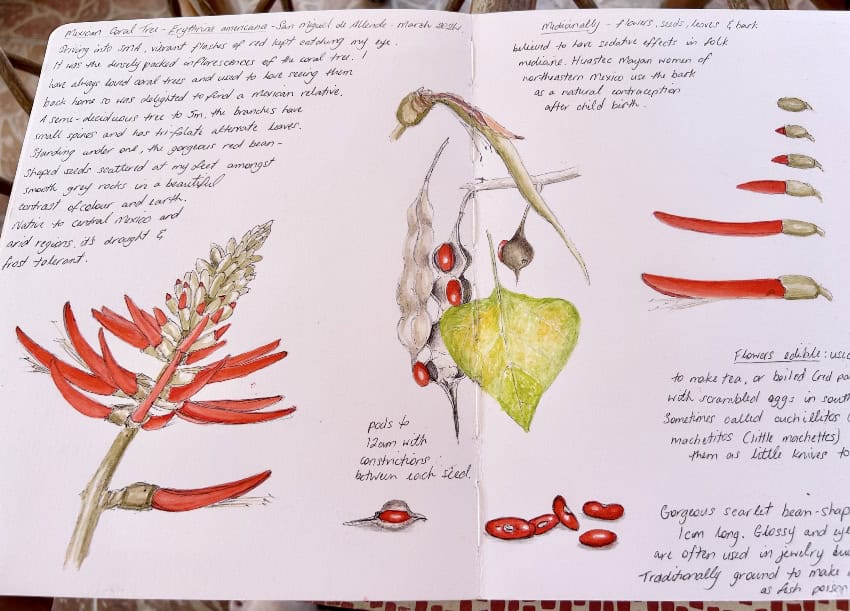
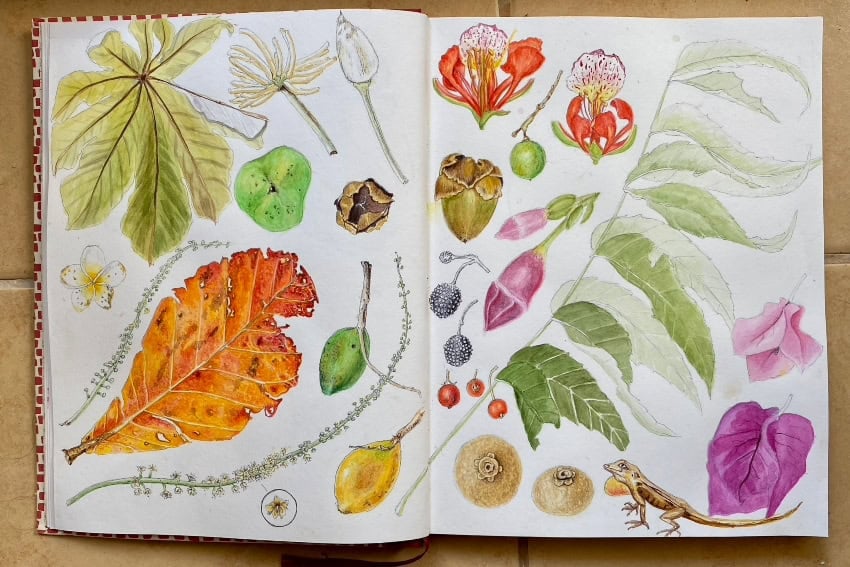
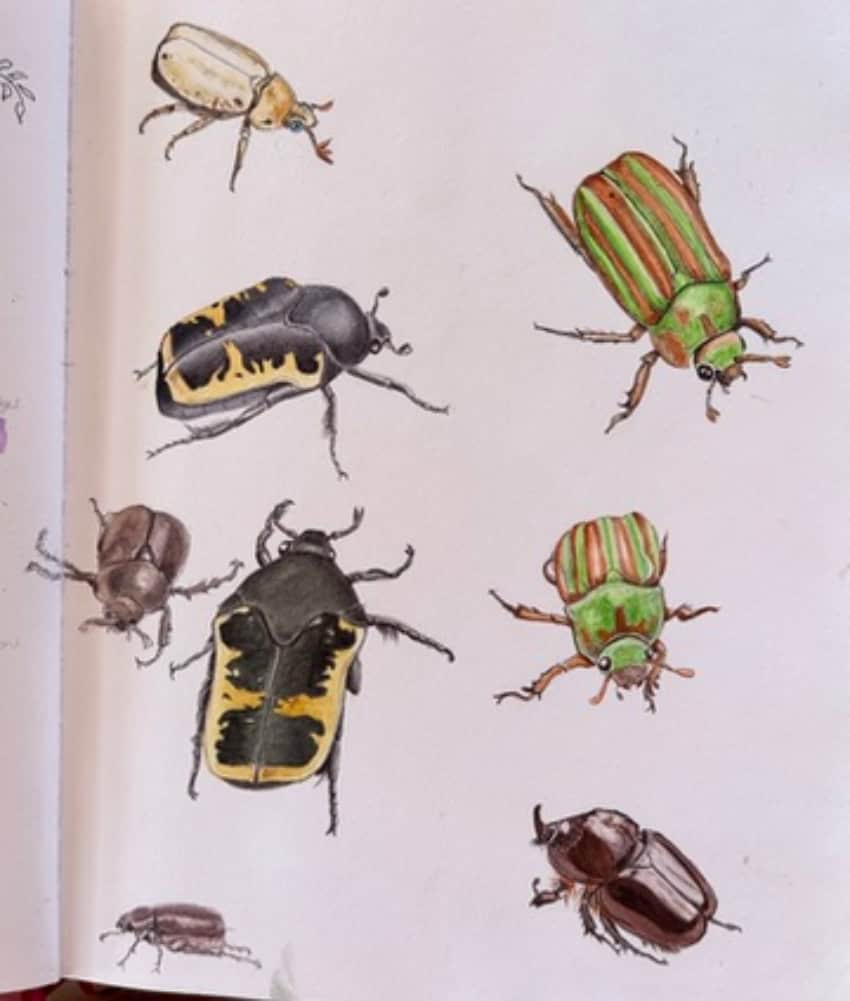
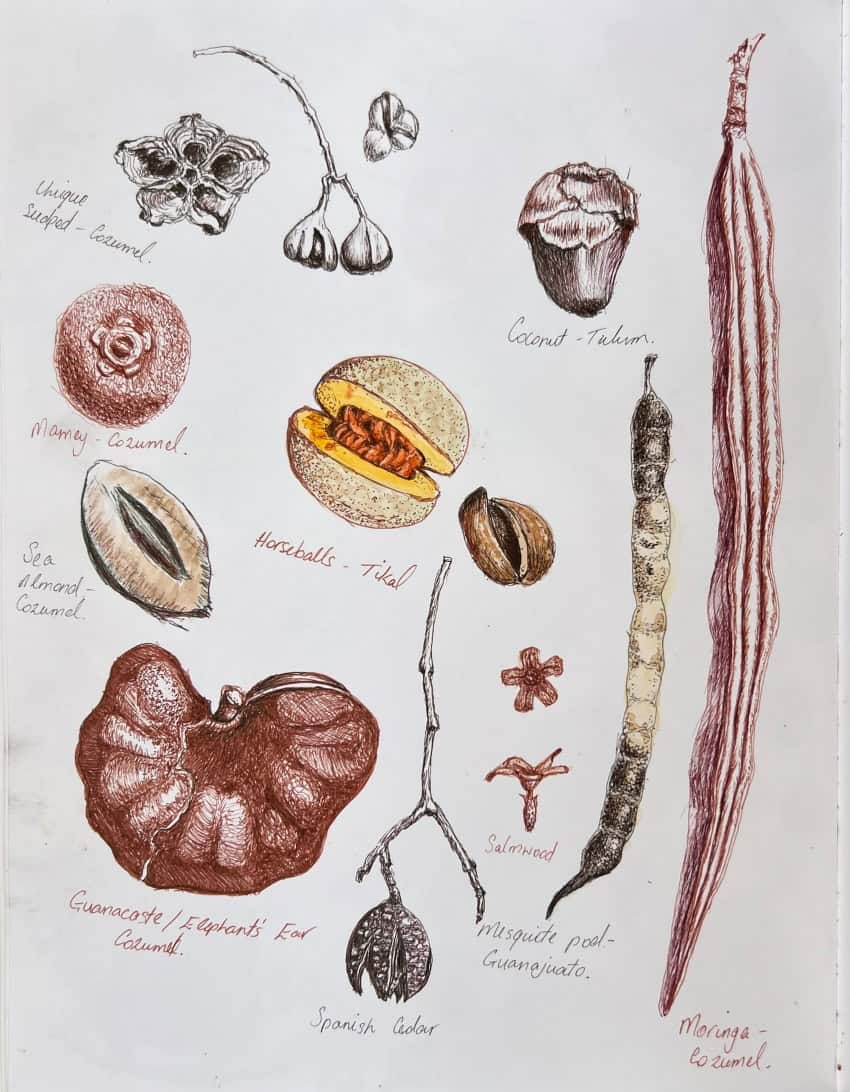
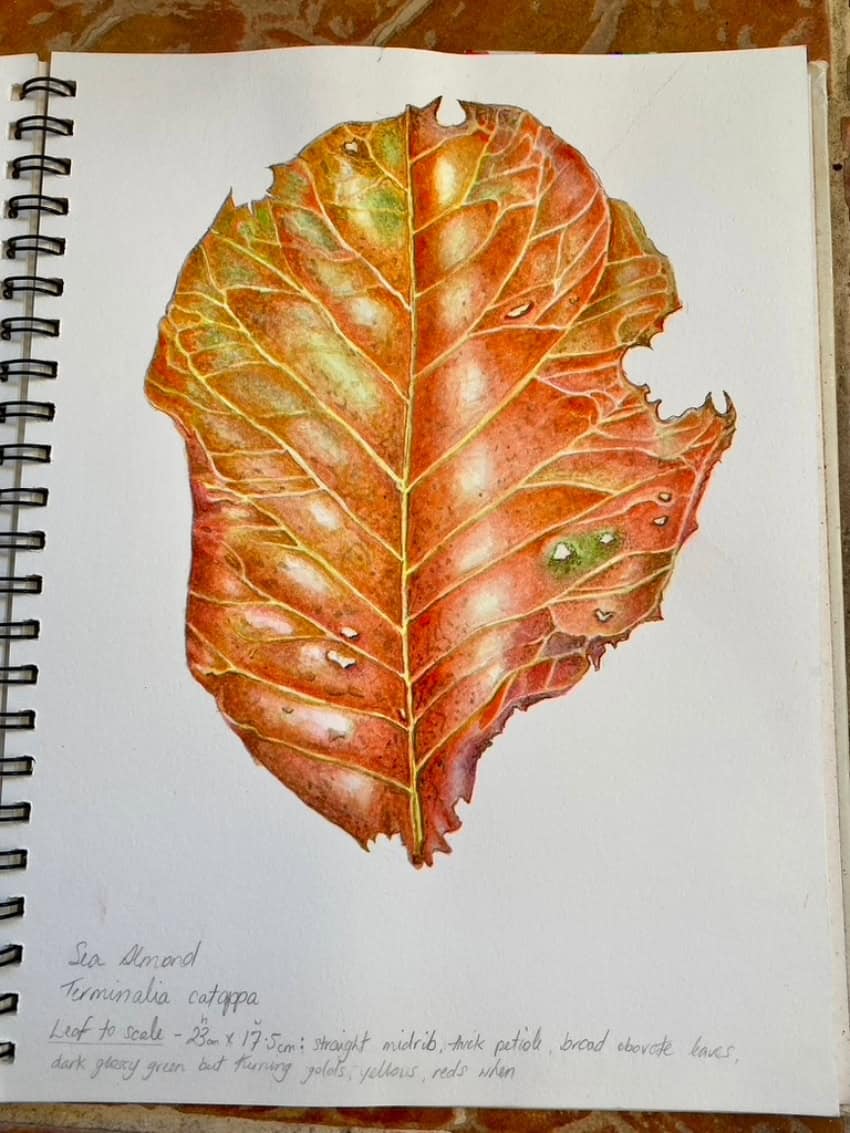
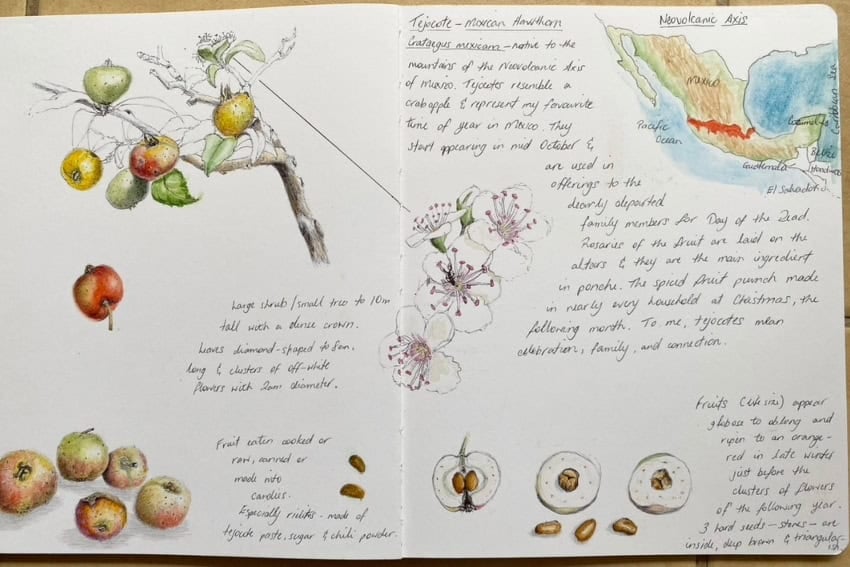
Pages are filled with huge leaves, wildflowers and edible treasures like tejocote, mamey and nance; plus, seedpods of all shapes and sizes. Native plants, edible plants, healing plants … I’ve sketched them all, plus the pollinating creatures they attract: butterflies, metallic green bees and beetles.
Now, I am an artist. Bel the Batty Botanist. I deeply thank Mexico for this.
A passion for natural beauty
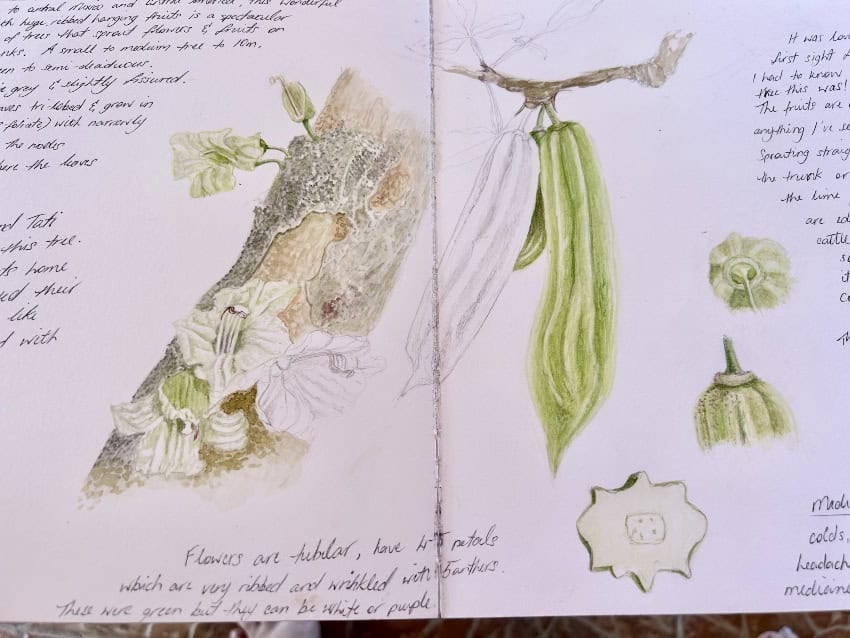
The medicinal healing properties of native plants have become a passion, as have edible plants. Enjoying edible treasures like Jamaican cherries that taste like cotton candy. Or the crunchy delights of pepino kat, a long, ribbed cucumber-like fruit.

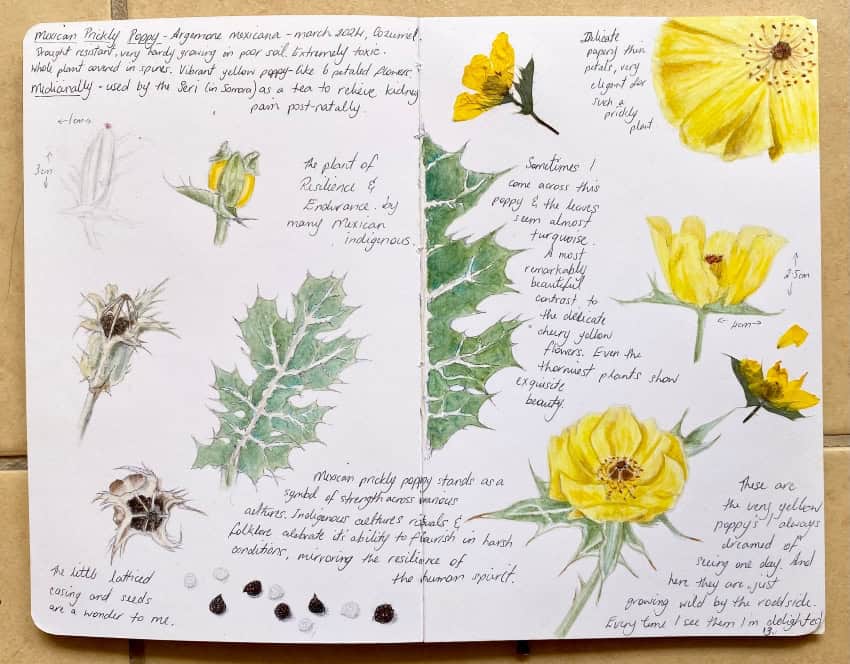
It seems every time I step outside, something delights me. The cheery yellow of Mexican prickly poppies, the plant of resilience and endurance, waving in the sunshine. The smell of vanilla from beach spider lilies after a swim.
These botanical beauties inspire my art. I sketch in black ballpoint pen or fine-line markers, with watercolor pencils and paints and on different-colored papers. Which, I must say, really makes a white subject shine.
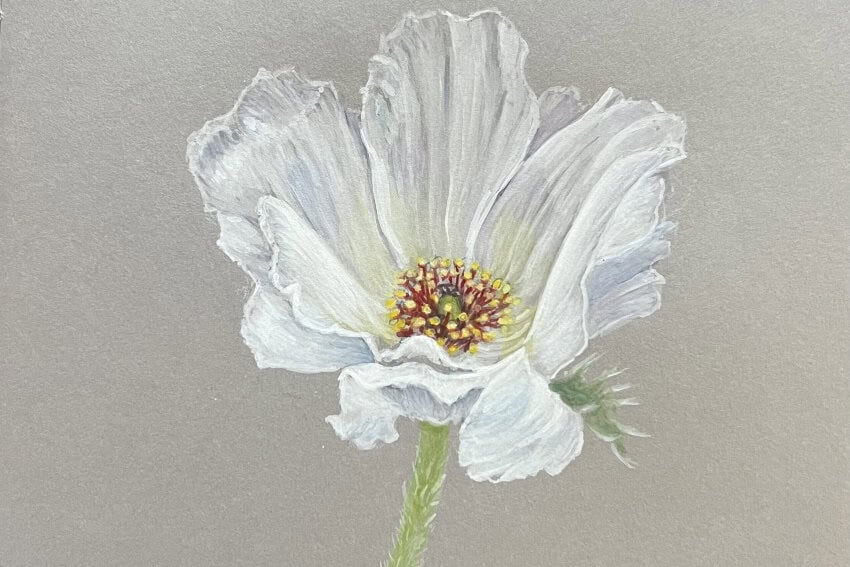
Inspired by seeing a chicalote, a native white poppy in the Central Highlands, I looked for ways to capture its brilliance. Soft gray paper for a dreamy, romantic feel seemed right. Because, to me, poppies are dreamy.
Sometimes it’s nice to sit quietly. As seen on my passionflower page. Within 20 minutes, while sketching, I witnessed a Gulf fritillary butterfly lay eggs. I saw its spiky orange caterpillars varying from tiny to huge, ready to form their chrysalis … mature butterflies pollinating the flowers. An entire life cycle was revealed to me on a single vine.
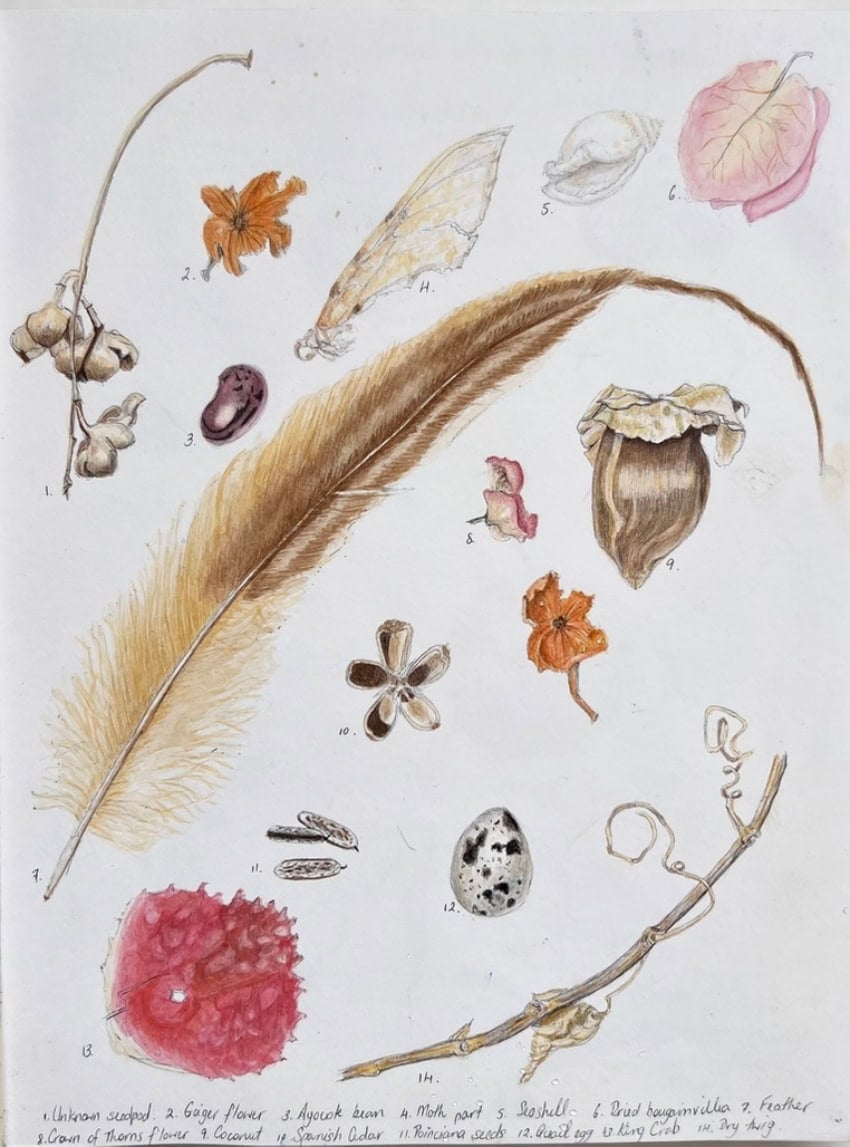
Other times, a collection of found treasures inspires something new. Hurricane Beryl two years ago, for example, brought down a bounty of botanical treasures for me to paint.
So, who knows what I’ll find tomorrow. Something as beautiful as that twisted scarlet seedpod, I hope. But I bet it will be magical.
Mexico Correspondent for International Living, Bel Woodhouse is an experienced writer, author, photographer and videographer with 500+ articles published both in print and across digital platforms. Living in the Mexican Caribbean for over seven years now, she’s in love with Mexico and has no plans to go anywhere anytime soon.