Thirty-four people died after drinking tainted alcohol in Puebla and Morelos on Mother’s Day, local authorities report.
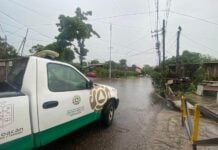
In Chiconcuautla, Puebla, the mayor’s office declared a health emergency and the National Guard was deployed to help identify others who may be showing symptoms of poisoning.
The 20 who have died thus far in the community drank refino, an agave distillate similar to mescal which costs 15 pesos a liter or 5 pesos a glass and may have been tainted with excessive levels of methanol.
Typically used in solvents and antifreeze, methanol can metabolize to formaldehyde and formic acid in the liver and become toxic within a few hours of being ingested.
Symptoms included dizziness, blurred vision or blindness, difficulty breathing, seizures and severe abdominal pain.
The mayor’s office appealed to the public to avoid consuming alcohol, asked those experiencing poisoning symptoms to seek immediate medical attention and announced that a full investigation would be conducted.
Meanwhile, 14 people died in the municipalities of Axochiapan and Jonacatepec, Morelos, after drinking tainted bootleg alcohol, reported Pedro Enrique Clement Gallardo of the state’s Civil Protection agency.

In Telixtac, a small, indigenous community in Axochiapan, authorities closed stores illegally selling the alcohol, despite coronavirus dry laws, and seized 86 liters of what is known locally as cachorro, amargo or damiana after nine people died. Five others died in Jonacatepec where the sale of alcohol was also prohibited due to the pandemic.
Civil Protection warned that the number of poisonings and dead could increase as the investigation continues.
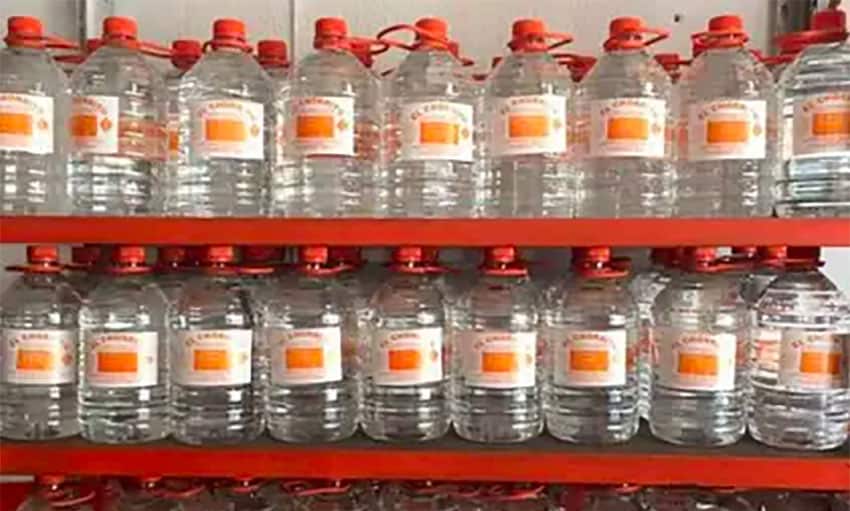
In Jalisco at least 28 people have died since April 26 from drinking El Chorrito, cane alcohol tainted with methanol, and seven have died in Yucatán after drinking bootleg liquor.
Source: Infobae (sp), El Universal (sp), La Jornada (sp)