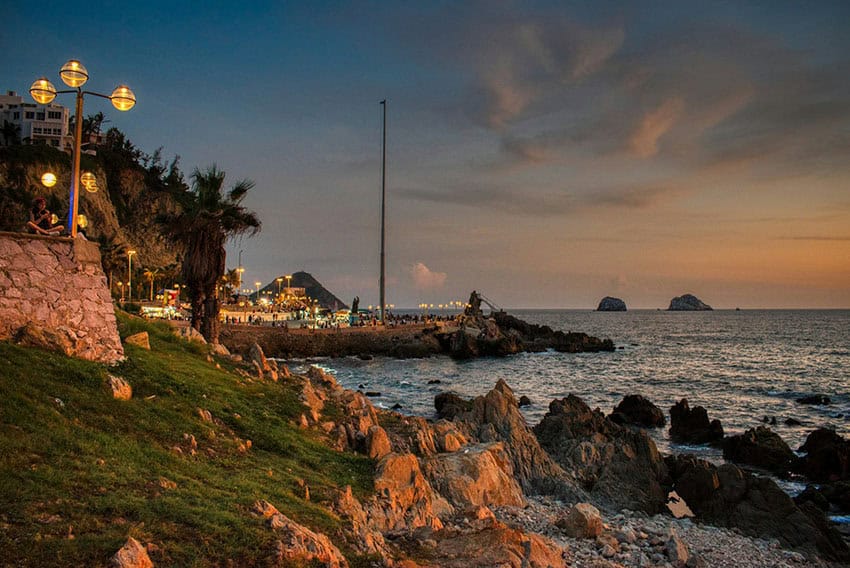
Less than a month out from one of Mexico’s largest Carnival celebrations, the port city of Mazatlán, Sinaloa, is seeking to reactivate its tourism economy with a new campaign called “A Sea of Stories.” Tourism in the beach town has declined sharply as the state faces a security crisis.
The campaign, which will be launched in Mexico and abroad, aims to promote Mazatlán as a destination for sporting events, business meetings, weddings, fishing tournaments and more. Notable events held in the resort city include the Mazatlán International Carnival, the Delfino Maza Surfing Tournament and the Polanco Jazz Festival.
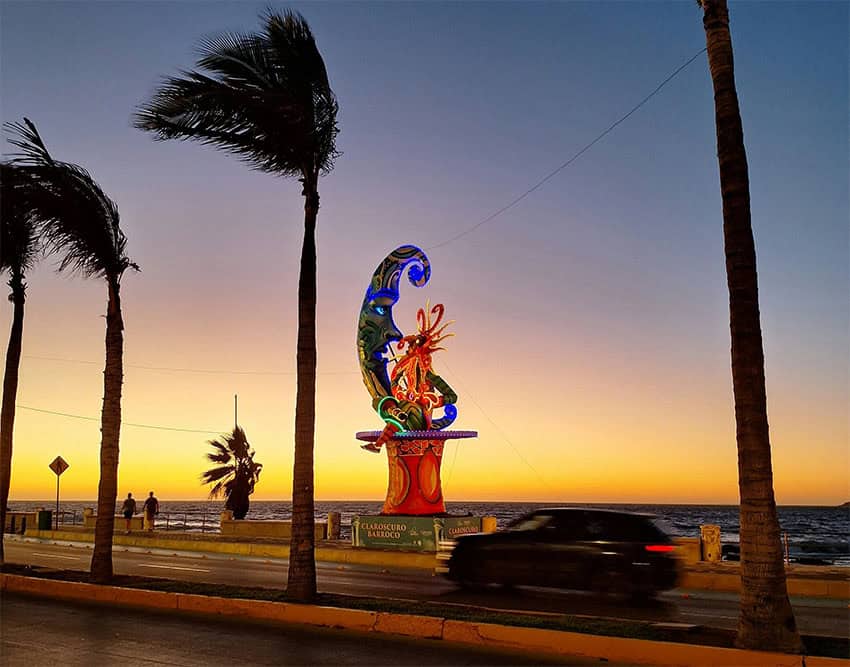
The head of the Tres Islas Hotel Association, José Ramón Manguart Sánchez, celebrated the move, which he said might be the turning point the city needs.
Sinaloa, located on Mexico’s Pacific Coast, is currently going through a security crisis that began in September after the arrest of Sinaloa Cartel leader Ismael “El Mayo” Zambada. The arrest kicked off a feud between factions within the cartel, that has impacted the lives of residents and the local economy.
“We’re collaborating with the security committees, the governor, the municipal government, the federal government and the private sector,” Manguart said. “Carnival represents a great opportunity for Mazatlán, and we are fully focused on that.”
Tourism Minister Josefina Rodríguez Zamora stressed the federal government’s commitment to support Sinaloa and assured that these actions are aligned with the national goal of “shared prosperity.”
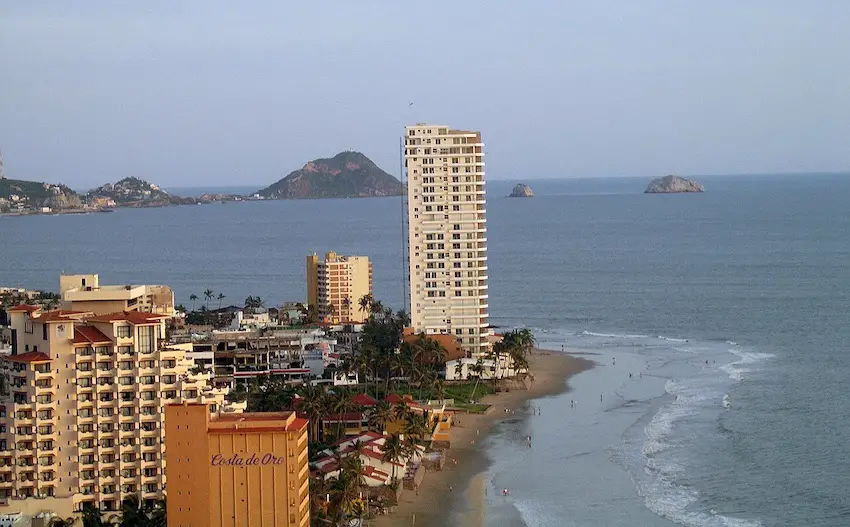
“Mazatlán is much more than a tourist destination. It is a place where each visitor can immerse themselves in an ocean of unique and memorable experiences,” she said.

Sinaloa, located on Mexico’s Pacific Coast, is currently going through a security crisis. According to the Employers’ Confederation of Mexico (Coparmex), violence has resulted in economic losses for the state amounting to 18 billion pesos (US $875 million).
For many residents of Mazatlán, especially those reliant on the tourism sector, the late February Carnival festivities present a vital chance to lift the local economy after the outbreak of violence that began September last year. An internal struggle within the Sinaloa Cartel has led to murders, confrontations between armed groups and the army, carjackings and kidnappings across the state.
The state capital of Culiacán has been especially hard-hit by the conflict, with the restaurant and event industries greatly affected by insecurity. While Mazatlán has seen less action in the cartel war than some areas, tourism has dropped steeply since the conflict began. Businesses and residents who depend on the tourism industry hope this year’s Carnival will turn the economic tide.
With reports from El Economista and Punto Mx