GigNet, a Wi-Fi provider with a regional broadband network from Costa Mujeres to Tulum, has partnered with the State of Quintana Roo to bring high-speed wireless internet to some of the state’s most popular tourism hotspots.
Signed by Quintana Roo Tourism Minister Bernardo Cueto Riestra and President of GigNet Mexico, Mark Carney, during Mexico’s national tourism fair this week, the agreement seeks to promote technological development in the tourism industry across the Mexican Caribbean.
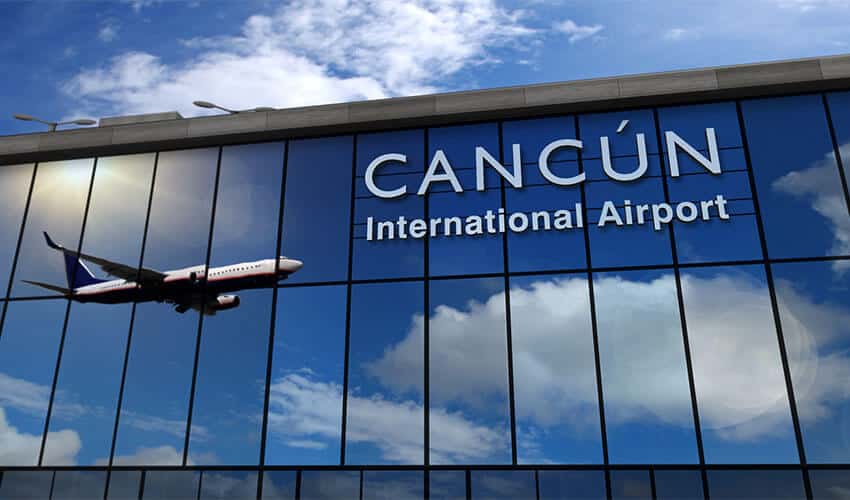
In the first phase of the agreement, GigNet will install public high-speed Wi-Fi zones in the Cancún hotel zone, Playa del Carmen’s 5th Avenue, Puerto Morelos city hall and Tulum’s coastal area, eventually covering additional tourist areas of the Mexican Caribbean. According to reporting in the Cancun Sun, the project could be operational as soon as next month.
According to the Quintana Roo Tourism Promotion Council, 64% of tourists who visit the Mexican Caribbean are under 39 years of age, and technology plays an important role in attracting younger demographics.
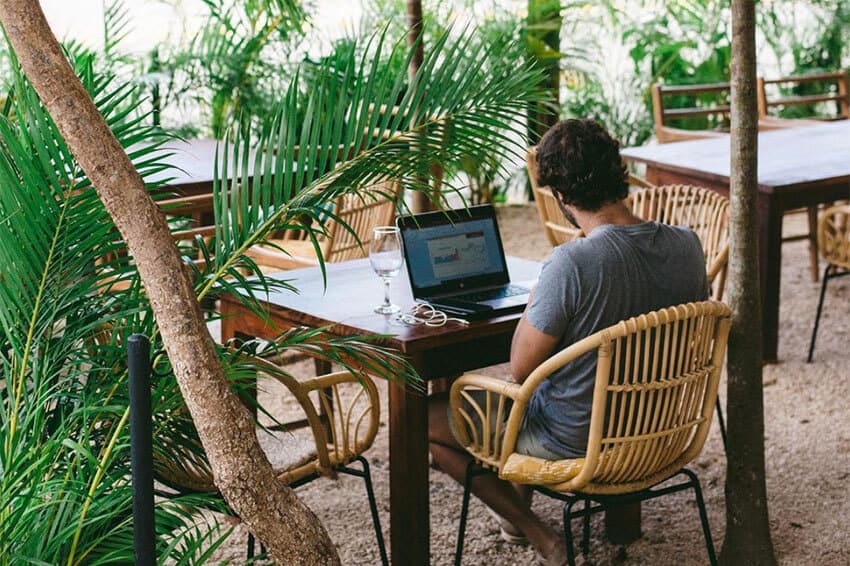
Using their phones to look for routes, restaurants, shops and activities during their travels, this new generation of tourists wants to stay connected during their trip. This is also true of digital nomads moving to the area who require high-speed access to the internet for their work.
At a press conference in Cancún, Carney said that GigNet “truly believes the quality of life of the Mexican Caribbean has all the elements to attract investment, businesses, and now – with access to GigNet high-speed internet – tech entrepreneurs and established technology companies seeking to relocate to this attractive business environment.”
GigNet believes that the Riviera Maya could become the Silicon Valley of Latin America, and lure big companies like Amazon or Google to establish operations in the region.

“One of the most important elements in making this vision possible is access to reliable high-speed internet, which, until recently, was the only missing piece,” Carney said.
The company’s says it is also going to promote social benefits like online learning, improved medical services, remote work opportunities, a diversified economy and access to public services.
Digital nomads have helped boost digitalization in other parts of the country – as in Mexico City, which in 2021 won a Guinness World Record for being the most connected city in the world.
With reports from The Cancun Sun, Business Wire and La Jornada Maya