Inflation advanced during the first month of the year, with cigarettes, limes, housing and tacos driving prices higher in Mexico.
According to the national statistics agency INEGI, annualized inflation climbed to 3.79% and the National Consumer Price Index (INPC) reached 143.588. The INPC was at 143.042 in December.
January’s 3.79% figure came in above December’s inflation rate of 3.69% and was an even greater increase over the 3.59% inflation recorded in January 2025.
The closely watched core index, which strips out highly volatile prices such as food and energy, climbed to 4.52%, up from 4.33% in December and the highest level since March 2024. Within this index, goods prices increased 0.92% and services prices rose 0.30%.
In the month of January alone, consumer prices rose 0.38%, according to non-seasonally adjusted figures, while core prices rose 0.60% during the month.
The latest INPC data supported last week’s central bank decision to hold its benchmark interest rate steady at 7.00%, pausing a nearly two-year easing cycle due to persistent inflation concerns.
In a monetary policy statement issued after its Feb. 5 Governing Board meeting, Banxico forecast inflation taking longer to reach its 3% target. The bank now doesn’t expect to rein in inflation until the second quarter of 2027, a notable extension from its previous forecast of the third quarter this year.

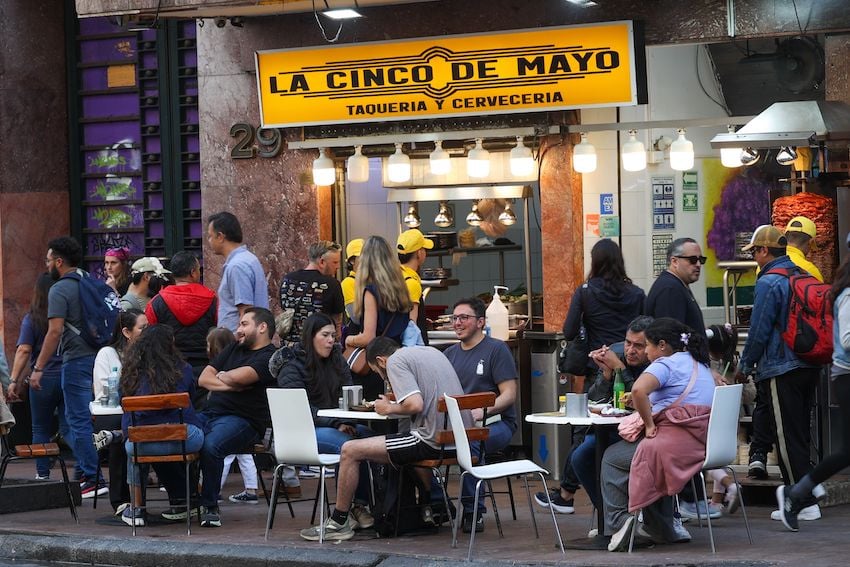
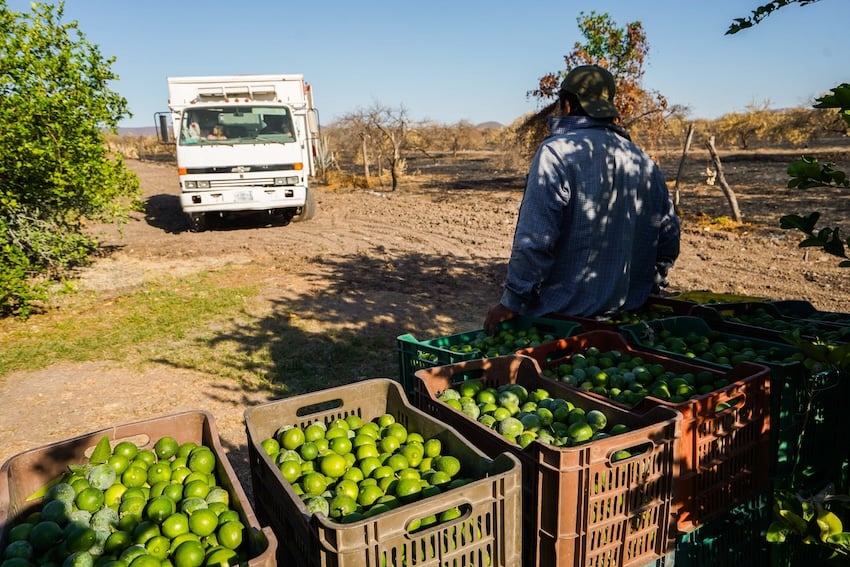
The INEGI report revealed that the items that most impacted consumers’ wallets were cigarettes (up 14.51%), bananas (+12.96%), limes (+21.21%), bottled soft drinks (+5.53%), lunch counters, small restaurants, sandwich shops and taco stands (+1.18%), and housing (+0.29%).
Cigarettes and sugary soft drinks were targets of the Special Tax on Products and Services (IEPS) approved in the 2026 budget that went into effect at the beginning of the year and has been cited, along with tariffs on China and a minimum-wage increase, as a cause of higher inflation.
In contrast, the following items saw prices drop in January: air transport (-36.64%); chile serrano (-25.51%); lettuce/cabbage (-10.43%); eggs (-6.31%); and onions (-7.65%).
States hit by inflation above the national average included Yucatán (+1.17%), Quintana Roo (+1.15%), Campeche (+0.98%) and Jalisco (+0.76%).
With reports from El Economista, Reuters and Uno TV