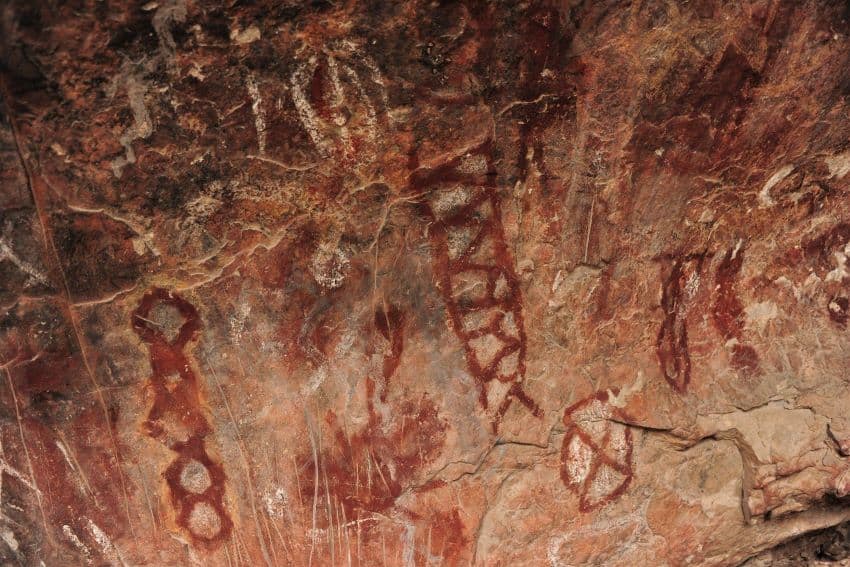
Authorities in the northern state of Coahuila are investigating the theft and destruction of centuries-old cave paintings in Cuatro Ciénegas, a beautiful nature reserve and UNESCO World Heritage site nominee.
The targeted area, located in Lizard Canyon in the rugged and remote Sierra de Australia mountains, contains rock art believed to be over 400 years old.
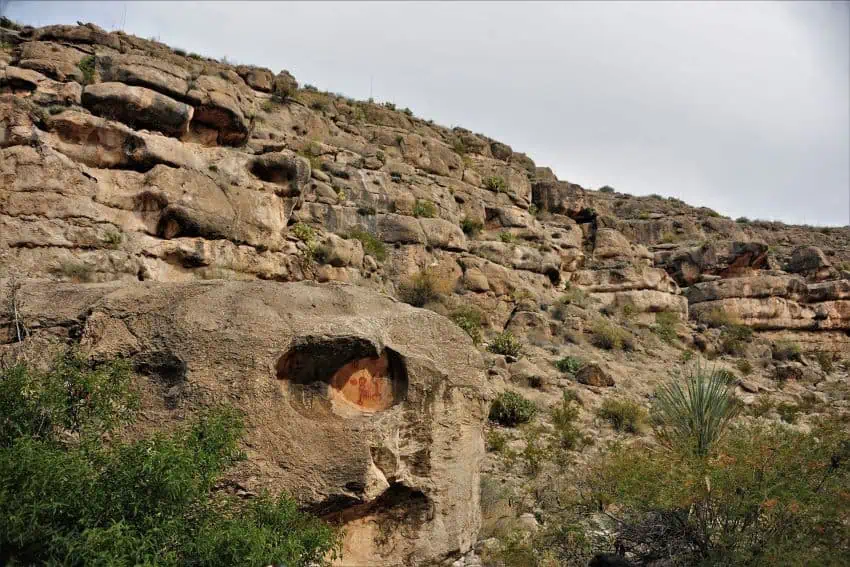
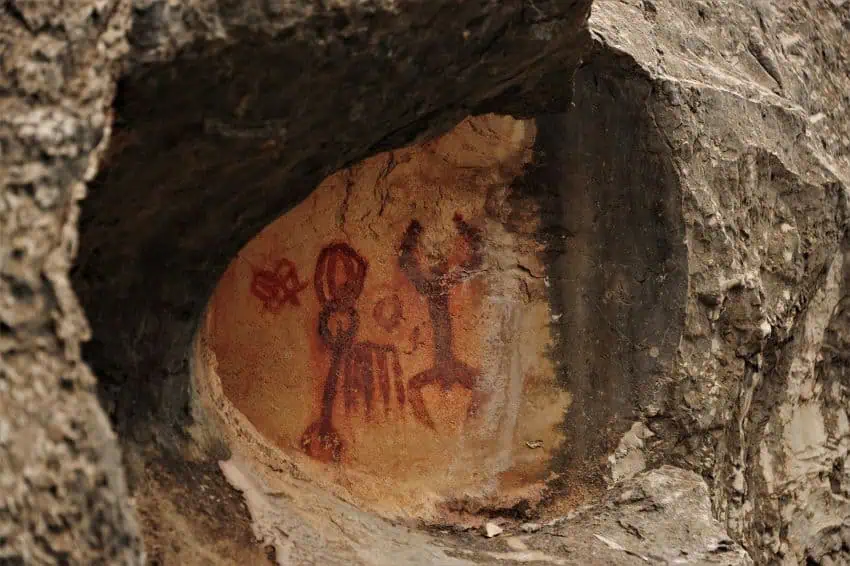
According to the National Institute of Anthropology and History (INAH), looters used tools such as drills and grinders to remove sections of rock bearing the paintings. First reported Saturday by guides who take visitors to the site, the damage was described as irreversible.
“These acts not only constitute theft but also destroy irreplaceable cultural heritage,” an INAH spokesperson said.
Cuatro Ciénegas (four marshes) is a biosphere reserve known for its historical significance — in addition to its biodiversity and rare natural features, such as uncommon high-desert wetlands and endemic species — so the stolen fragments of painted rock represent a significant loss.
The cave paintings here include intricate depictions created by Indigenous peoples, offering insight into their lives, beliefs and artistic expressions. Experts note that such sites are invaluable for understanding pre-Columbian history and the interaction between humans and their environment during the era.
José Francisco Aguilar Moreno of the INAH Center in Coahuila told Milenio that the looters damaged a surface area of 30 centimeters (12 inches); the full cave painting covers an area six meters long and three meters high, he noted.

Local authorities and INAH called for an investigation by filing a complaint with the federal Attorney General (FGR). No details about suspects or the whereabouts of the stolen fragments were given, but Aguilar said those responsible could face a sentence of up to 10 years in prison.
Officials are calling for enhanced security measures and increased public awareness to prevent similar crimes in the future, but the incident underscores the challenges of protecting immovable heritage sites.
“It is very difficult to take care of these types of spaces because we have more than 4,000 sites throughout Coahuila,” Aguilar said. “Not even the entire state police, the National Guard or the army would be enough to protect them.”
The theft has drawn condemnation from cultural and academic organizations, with activists advocating for stricter penalties for crimes against cultural heritage.
The crime took place on private property, officials said, so investigators will interview locals as the investigation advances.
Coahuila is Mexico’s third-largest state by land area (behind Chihuahua and Sonora) and is a significant region for mining and agriculture.
With reports from Milenio, Excelsior and Vanguardia