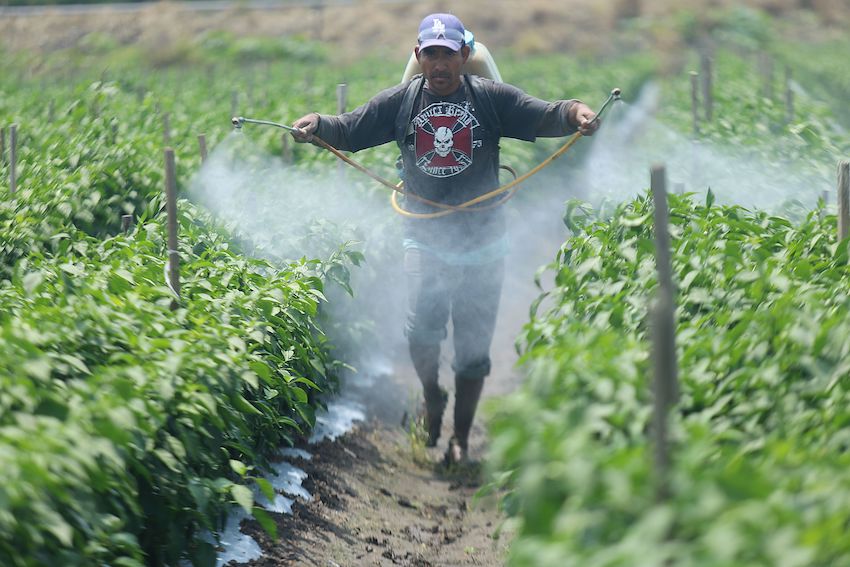
More than half a century after it was banned by most countries worldwide, Mexico has finally prohibited the use of the notoriously dangerous pesticide known as DDT.
A federal government decree issued this month banned the use, production, marketing and importation of DDT and 34 other highly hazardous pesticides. It is Mexico’s largest pesticide restriction in more than 30 years and is the result of a coordinated effort among several cabinet-level ministries, including Agriculture, Health, Economy and Environment.
By restricting all stages of the production chain for these compounds, the decree aligns Mexico with the Basel, Rotterdam, and Stockholm international conventions.
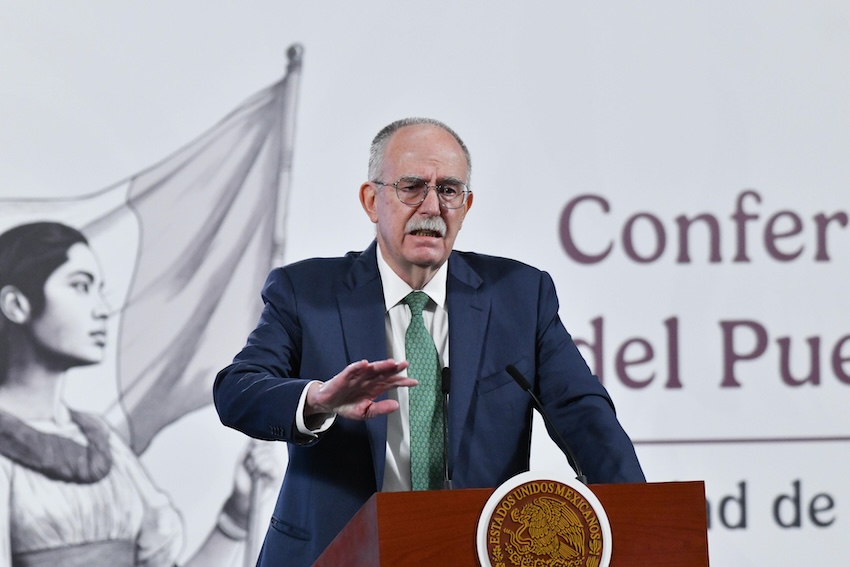
“The decision is part of a larger strategy to achieve a much cleaner, more sustainable, and safer agriculture for the country’s producers, farmworkers, and consumers,” Agriculture Minister Julio Berdegué said during the announcement.
He added that the last comparable restriction dates back to 1991, when 21 substancess were banned.
The prohibited pesticides include aldicarb, used on sugarcane and citrus fruits and which can persist in drinking water; carbofuran, applied to coffee, cotton, and avocado crops, and considered one of the most dangerous insecticides in the world; and endosulfan, which has serious effects on fetal and infant development and has been detected in the environment and breast milk. All three substances are carcinogenic and affect the nervous system.
However, one pesticide that has been allowed in Mexico until now is DDT.

“A Ripley’s tale,” Berdegué said. “Incredibly, the production or use of DDT [had not been] banned in Mexico. Who knows how that was possible?”
DDT (Dichloro–Diphenyl-Trichloroethane) was once considered a miracle substance for its potency and low cost. But its serious environmental and human health impacts eventually reduced its acceptance, especially after the publication of biologist Rachel Carson’s “Silent Spring” in 1962. By the 1970s, DDT was banned in the U.S. Most other countries eventually followed.
The new ban in Mexico includes the cancellation of permits and the refraining from granting new authorizations related to DDT and the other prohibited chemicals, initiating a transition to less toxic alternatives over the next five years. However, it is not yet clear when the substitutes will be available.
A lack of alternatives has prevented action against toxic chemicals in Mexico’s past.
“There’s a lot of research around the world looking for substitutes,” Berdegué said. ”That’s of interest to many other nations, not just Mexico, so I have a lot of faith that over the course of time — I can’t say how long — there will be products available in Mexico.”
With reports from El País and Associated Press