Although not listed as a producer of rare earth elements, Mexico produces eight of the 60 critical minerals of interest to the U.S. that are included in the joint action plan aimed at mitigating vulnerabilities in North American critical mineral supply chains.
Mexico is among the world’s leading producers of antimony, barite, copper, fluorite, graphite, lead, silver and zinc, all critical minerals that the U.S. Geological Survey (USGS) prioritizes as vital to the U.S. economy and its national security.
The USGS values these products as they fall within categories it considers vulnerable due to their role in essential technologies (e.g., batteries, energy, electronics and defense).
The U.S.-Mexico action plan is linked to the U.S.-sponsored Critical Minerals Ministerial plan comprising more than 55 nations including Mexico. Mexico is also a participant in multilateral negotiations on critical minerals with Canada, Japan and the 27 members of the European Union.
Mexico is not listed as a producer of rare earth elements, though it does have substantial untapped lithium reserves. Still, its production of the eight minerals previously mentioned is viewed by the USGS as of economic and strategic importance.
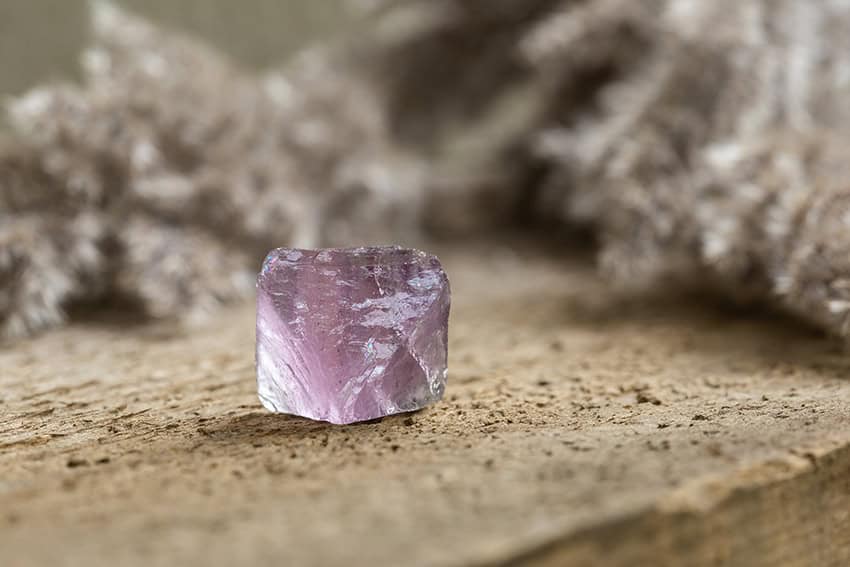
Copper is widely used in electrical wiring and cables due to its high conductivity. Fluorite is used in the manufacture of synthetic materials and plastics, as well as in processes related to iron, steel, ceramics, glass and refining.
Graphite is used in lubricants, batteries and fuel cells. Lead is essential for the production of batteries, ammunition, glass and ceramics.

Antimony is primarily used in lead-acid batteries and in the manufacture of flame retardants. Barite is crucial in oil and gas drilling, and is also used in medical imaging applications, while silver is used in electrical circuits, batteries, solar cells and medical instruments with antibacterial properties.
Additionally, Mexico Business News reported last week that during its 2026 term as president of the Pacific Alliance, Mexico intends to “prioritize the industrialization of critical minerals and rare earth elements,” in order to “strengthen regional supply chains and boost high-value manufacturing.”
Mexico is also promoting a regional push for green minerals that are vital for manufacturing technologies that enable the green transition away from fossil fuels.
With reports from El Economista, Reuters and Mexico Business News