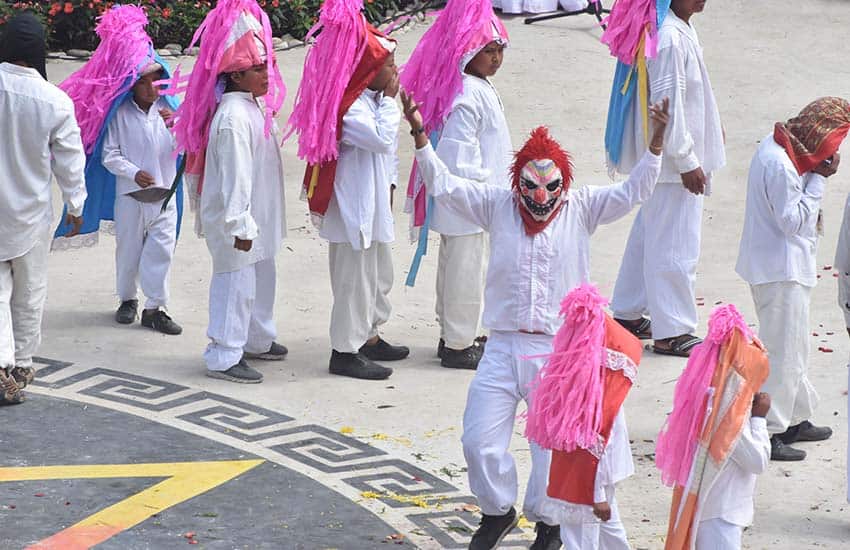
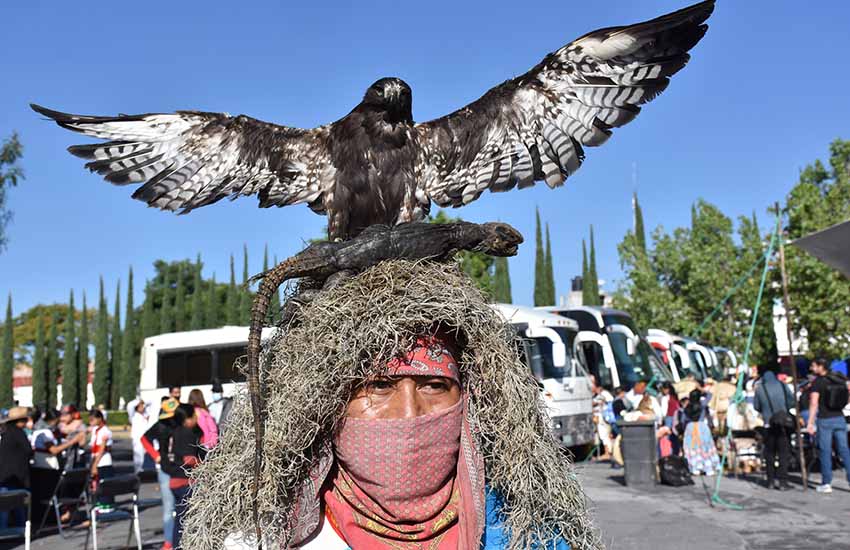
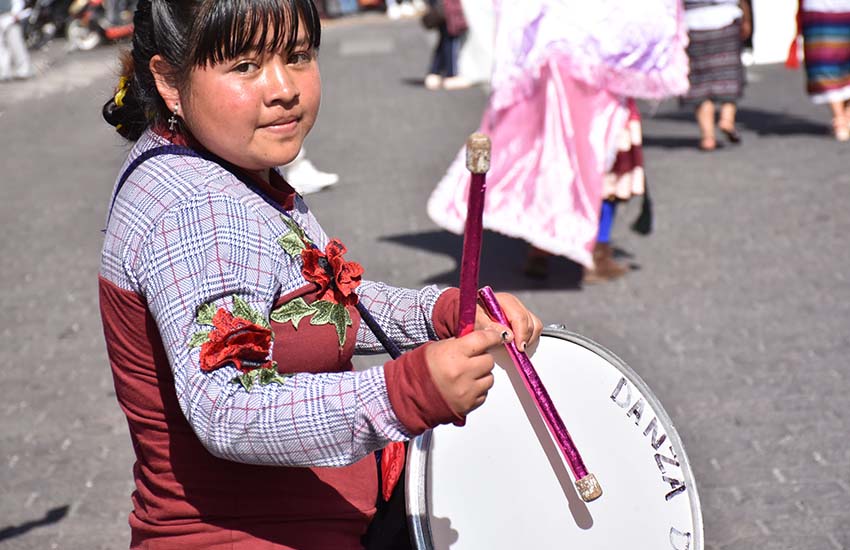
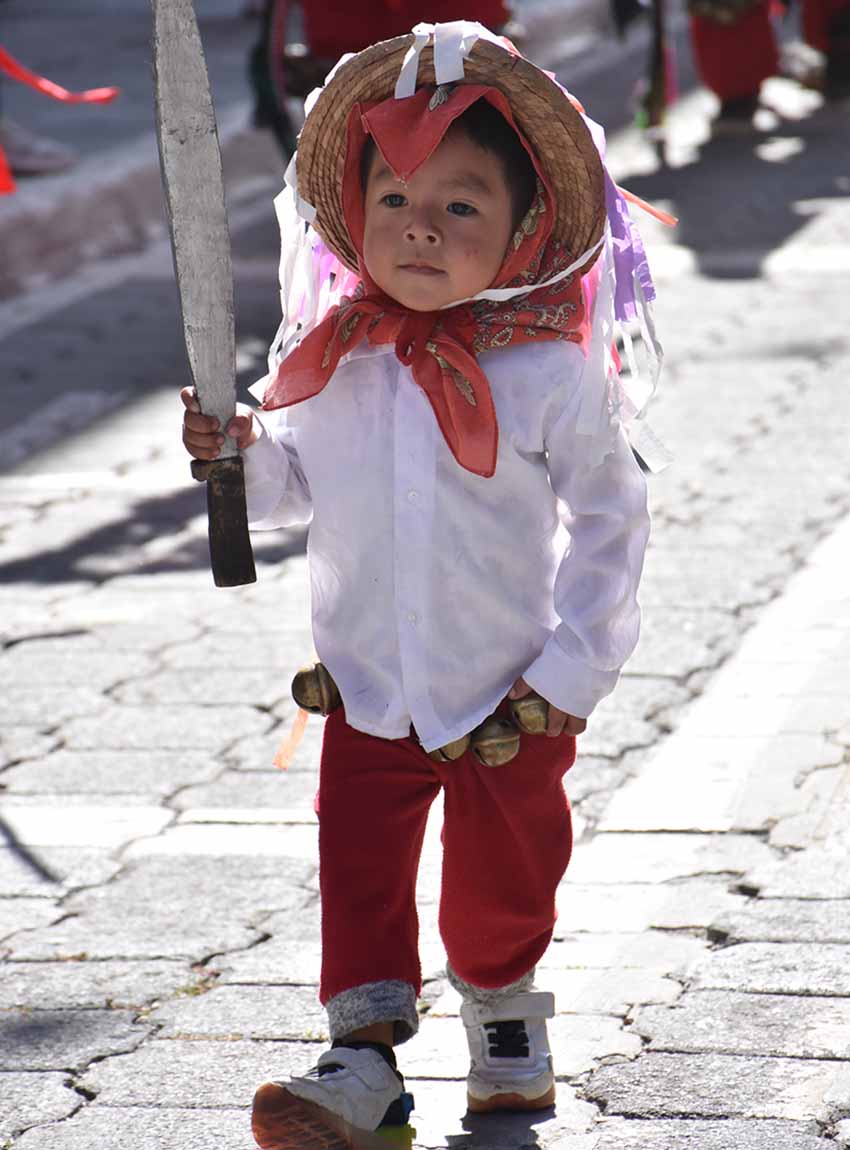
Dancers from the eleven ethnographic regions and 17 Puebla towns performed in the 57th Atlixcáyotl traditional dance festival on Sunday in Atlixco, Puebla. The 57-year-old festival, the brainchild of American expat Raymond Harvey Estage Noel, was founded in 1965. Estage was inspired by seeing Oaxaca’s Guelaguetza festival.
In 1996, the state declared the Alixcáyotl festival part of the cultural patrimony of the state of Puebla.
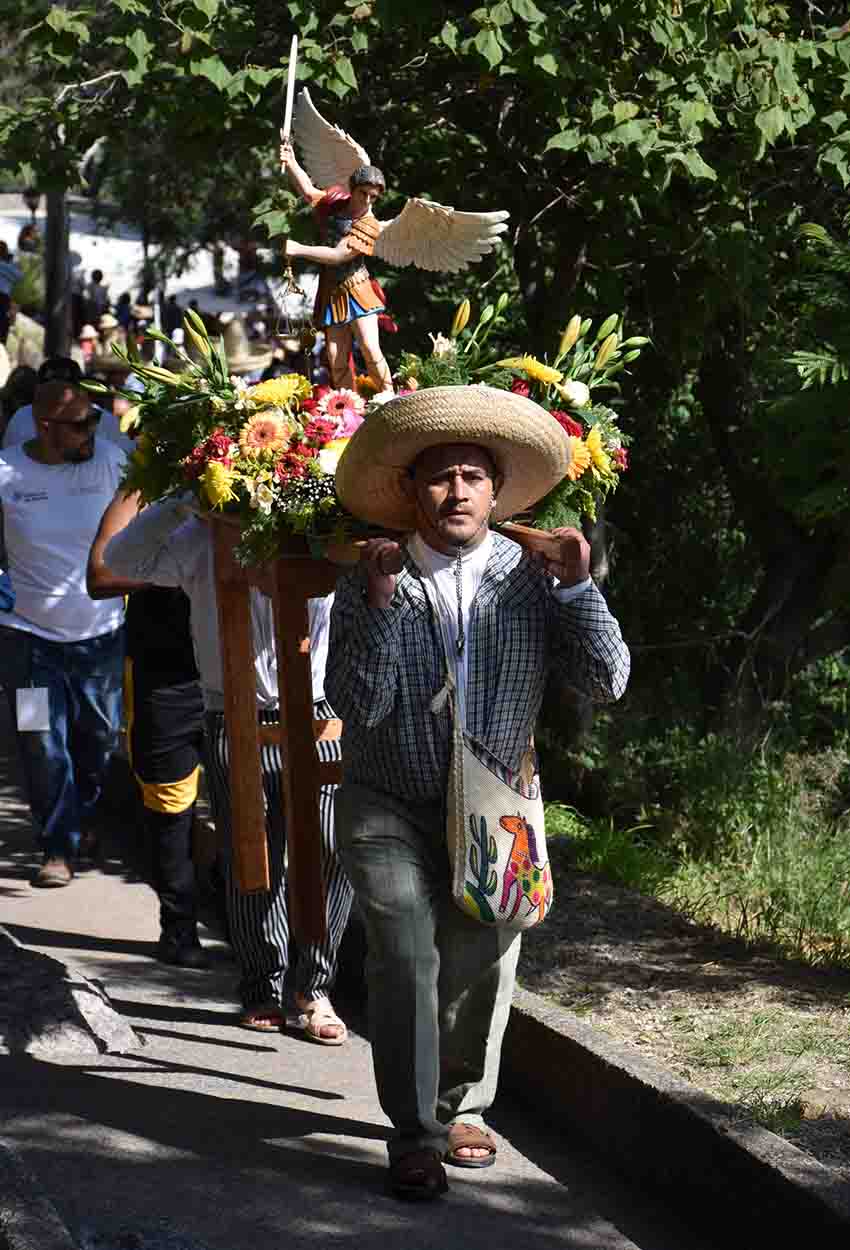
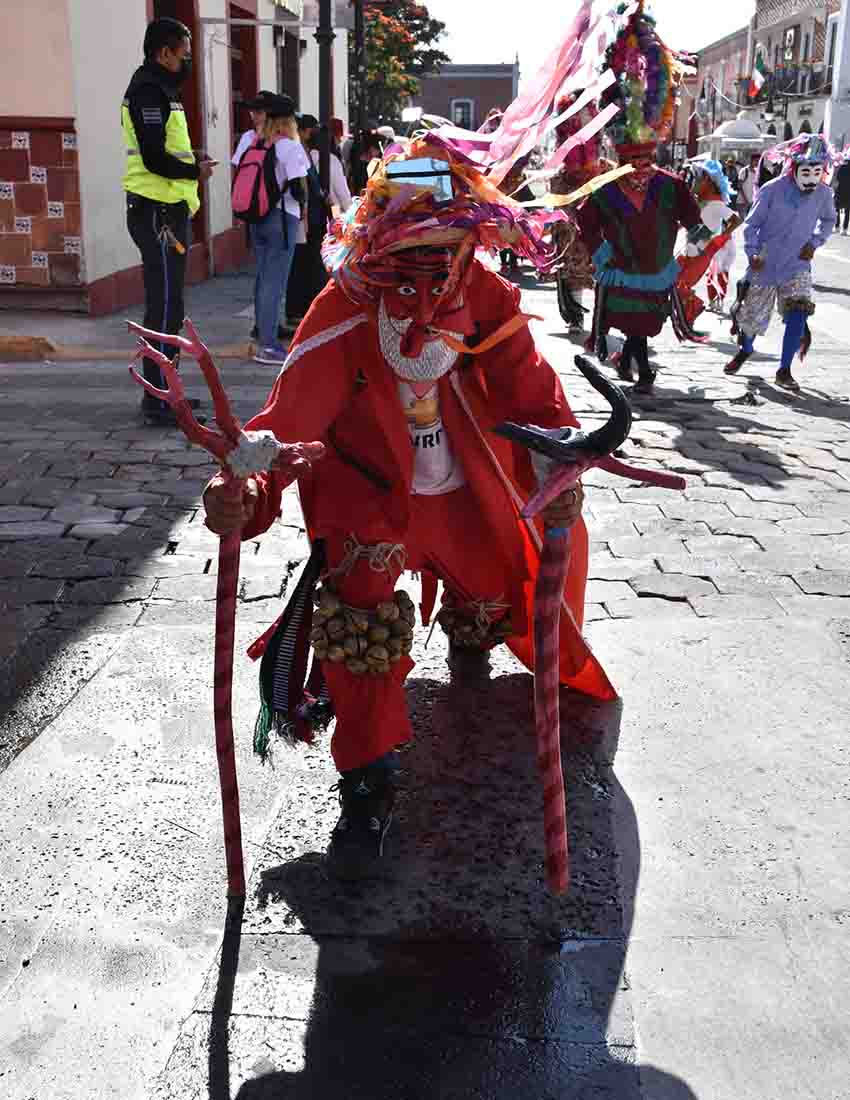
While the main event takes place on the last Sunday in September, the opening on Saturday saw people in elaborate costumes gathering a couple of blocks from Atlixco’s zócalo to dance their way through the streets to Saint Michael’s Chapel, which sits atop a hill of the same name. In addition to the dancers, two men carried a table ladened with flowers and a statue of the saint.
On Sunday, several thousand people gathered in the Plaza de la Danza (Plaza of the Dance) to watch the performances. Before the dances began, there were a slew of introductions, including of Puebla Governor Miguel Barbosa Huerta. They were all acknowledged with polite applause. But when Estage — known to most as Cayuqui — was introduced, the crowd broke into loud applause and chanted his name. Although 89 years old and somewhat frail, he made it once again to the festival he helped create and once again proved to be a crowd favorite.



Joseph Sorrentino, a writer, photographer and author of the book San Gregorio Atlapulco: Cosmvisiones and of Stinky Island Tales: Some Stories from an Italian-American Childhood, is a regular contributor to Mexico News Daily. More examples of his photographs and links to other articles may be found at www.sorrentinophotography.com He currently lives in Chipilo, Puebla.