Mexico’s Chamber of Deputies has just passed legislation that aims to boost government revenues, primarily by raising taxes and fees in a number of areas, including tourist and residency visas.
Othe tax increases and price hikes approved are amendments that will cause ticket prices to some museums and archaeological sites to double, raise the levy on soft drinks, tax hydrating electrolyte beverages, and increase levies on tobacco, casino gambling and video games
In some cases, visas for foreigners to reside in Mexico would more than double if the legislation is approved by the Senate and the president.
For example, beginning next year, foreigners seeking temporary one-year residency will have to pay 11,140 pesos (US $606), up from 5,328 pesos (US $290);
Those seeking a two-year permit must pay 16,693 pesos (US $908), up from 7,984 pesos (US $434).
Three-year permits will rise from 10,112 pesos (US $550) to 21,142 pesos (US $1,150) and four-year permits will increase from 11,984 (US $652) to 25,057 pesos (US $1,363).
Permanent residency visas will climb from costing 6,494 pesos (US $353) to 13,578 pesos (US $738).

Prices for tourist visas will climb less significantly, from 860 pesos (US $47) to 983 pesos (US $51).
Although the framework of the legislation will be sent to the Senate, the Chamber will continue to debate additional amendments to the bill.
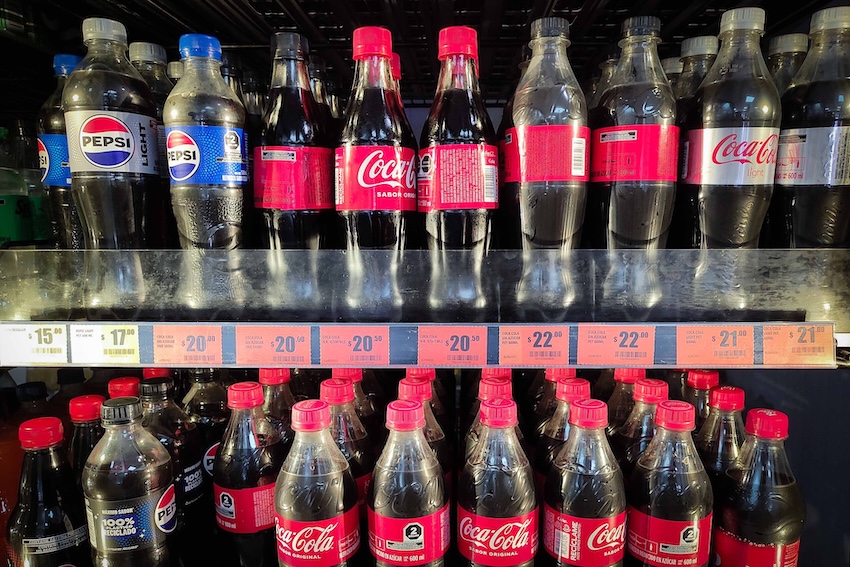
The soda tax — an amendment to the IEPS Law, a Special Tax on Production and Services created to control the use of products that are harmful to health and the environment — has prompted soft drink companies to lobby lawmakers aggressively against the tax. They have already had some success.
Lawmakers defended the tax on electrolytes by pointing out that the popular electrolyte beverage Electrolit far exceeds the hydrating formula recommended by the World Health Organization of 1.3 parts of glucose to each part of salts and minerals. Electrolit contains 3.7 parts of glucose to each part of salts and minerals.
Proponents of this tax argued that Mexico’s treasury could have added more than 3 billion pesos (US $163 million) in IEPS taxes and around 9 billion pesos (US $489 million) in value-added taxes from the Electrolit brand over the past five years, according to the magazine Proceso.
Lobbyists also sought to negotiate lower taxes on sugar-free and low-calorie soft drinks.
Senior Coca-Cola executives met with representatives of the Health Ministry this week, offering to gradually reduce the sugar content of their soft drinks by 30 percent.
In a joint press conference with lawmakers from the ruling Morena party and Health Minister David Kershenobich, soda companies pledged to reformulate their products, launch new presentations and serving sizes, expand their portfolio of low-sugar and zero-calorie beverages, while also expanding the market for reduced- and no-sugar beverages. They also promised to self-regulate their advertising to reduce the impact of consumption on children and adolescents.
As a result, deputies amended the bill during floor debate, reducing the IEPS rate on beverages sweetened with non-caloric sweeteners — in “light” or “zero” formats — from 3.08 pesos per liter to 1.5 pesos per liter.
Higher fees for culture
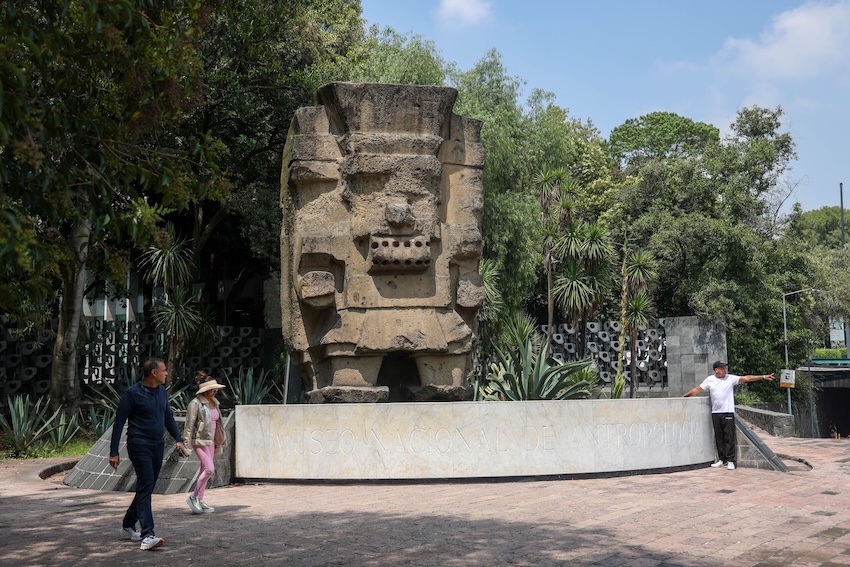
As for fee increases at museums and archaeological parks, tickets for priority sites (including the Anthropology Museum, the Templo Mayor, the National History Museum at Chapultepec Castle, the Teotihuacán pyramids, Monte Albán and Tulum) will rise from 100 pesos (US $5.50) to 209 (US $11.35) pesos. Mexican nationals and foreigners with resident visas will pay 104.50 (US $5.70) pesos.
So-called secondary sites such as Tlatelolco, Malinalco and Tehuacán Viejo will see admission prices climb from 80 pesos (US $4.35) to 156.75 pesos (US $8.50)
Prices at tertiary sites, including Puebla’s Guadalupe Fort, the Ex Convento in Yanhuitlán and the Tenayuca pyramid, will rise from 75 pesos (US $4.10) to 143.69 pesos (US $7.80). Just as at priority sites, Mexican nationals and foreigners with resident visas will receive 50% discounts.
With reports from El País, El Universal, La Jornada, Reforma and Proceso