Students at Mexico’s leading public university are making their own beer, but it’s not the stereotypical case of mischievous young people setting up a homebrew kit to party in their dorm rooms.
Rather, the Chemistry Department at the National Autonomous University of Mexico (UNAM) is carrying out a research project at the campus’s Educational Pilot Beer Plant, using normally wasted foods to diversify the flavors available in the national market while enriching the nutritional content of the beverage.
Students are experimenting with so-called “adjuncts” — carbohydrate-rich ingredients that complement the malt during the brewing process — and incorporating seasonal foods into the beer-making process.
The approach reduces organic waste, lowers costs and produces a beer with additional nutritional characteristics, while keeping the alcohol content at or below 8%.
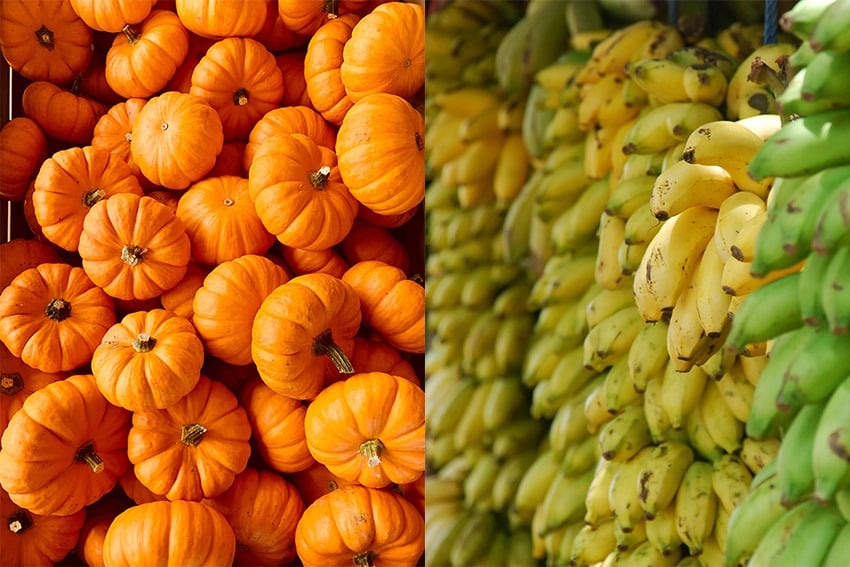
Agustín Reyo-Herrera, head of the research team, said a primary ingredient thus far has been overripe bananas, of which roughly 2,000 metric tons are wasted each year.
Another reason for focusing on bananas is their high potassium content, as well as their significant amounts of dietary fiber and fermentable sugars, Reyo-Herrera said.

“We are incorporating the fermentable carbohydrates through experimental designs into a new product,” he said.
Reyo-Herrera said the project not only seeks to innovate in flavors, but also to quantify and standardize the nutrients present in each formulation, in addition to evaluating the functionality of the incorporated ingredients.
In addition to bananas, the research team has developed varieties with pumpkin, amaranth, sweet potato and cassava, each modifying the beverage’s properties — flavor, color and aroma — while still providing specific nutrients.
Amaranth provides a significant amount of iron and plant-based protein, while pumpkin provides protein, carbohydrates and potassium.
Thus far, sweet potato and cassava are being experimentally integrated to measure their level of functionality and to calculate the volume of fermentable carbohydrates they can transfer to the mixture.
Innovation is not limited to increasing nutrients. It also encompasses the scientific standardization of flavors through instrumental analytical methodologies. For instance, the banana-based beer contains a fixed ratio of 25% fruit to 75% barley malt to achieve the ideal flavor balance.
Mexico ranks fourth globally in beer production, behind the U.S., China and Brazil, but is the world’s leading exporter. Of the approximately 2 million hectoliters produced annually in Mexico, roughly 80% is sold in international markets.
In addition to scientific research, the Chemistry Department promotes the training of new specialists through a diploma course in Beer Science and Technology, taught in UNAM’s Continuing Education Department.
With reports from El Financiero, El Economista and El Imparcial