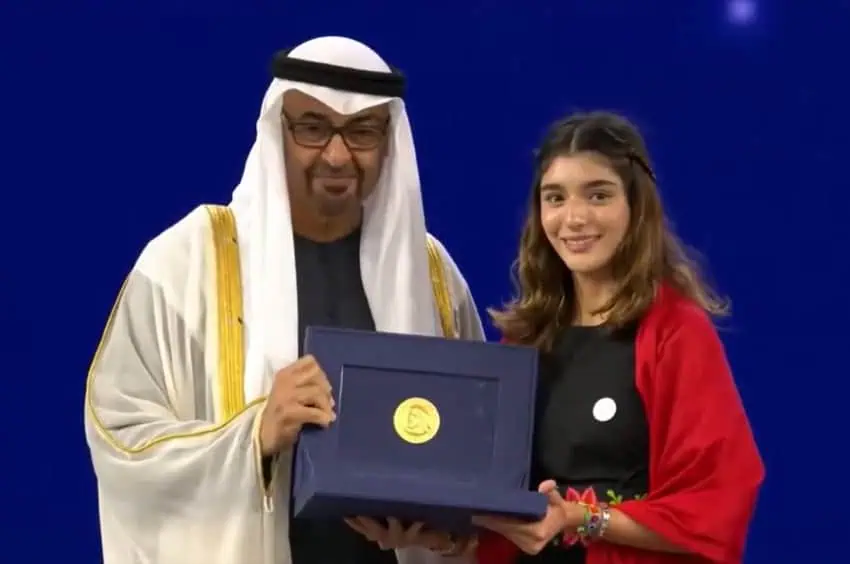
Mexican high school students from the city of Veracruz won the 2025 Zayed Sustainability Prize this week for a novel project that seeks to protect marine ecosystems in their state.
In a ceremony held during Abu Dhabi’s sustainability week on Tuesday, Sheikh Mohamed bin Zayed Al Nahyan, President of the United Arab Emirates (UAE), granted the award to the winners. The Mexican students won in the Global High School category, representing the Americas.
The Zayed Sustainability Prize is the UAE’s pioneering award for innovative solutions to global challenges. This year, it saw a 15% increase in submissions over 2024.
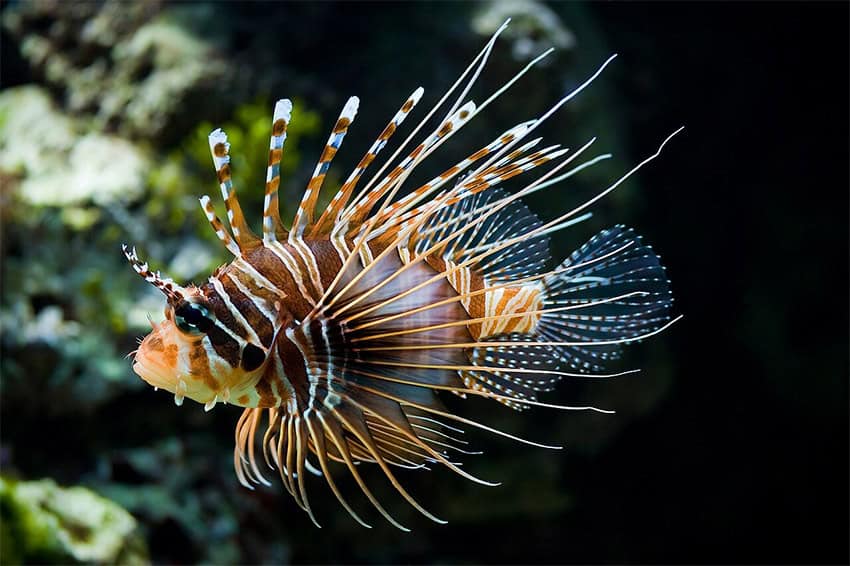
The Mexican students were among 33 finalists selected from 5,980 entries received across six categories: Health, Food, Energy, Water, Climate Action and Global High Schools. They won with two projects: “Reforestation of the red mangrove in danger of extinction,” and “Capturing lionfish, an invasive species in Veracruz reefs.”
As part of the prize, they received US $150,000 to launch their projects over the next two years.
Sultan Ahmed Al Jaber, UAE minister of Industry and director of the Zayed Sustainability Prize, noted that this year’s submissions reflect the tendencies shaping our world.
“This year’s submissions reflect the three megatrends shaping our future, namely the rise of the Global South, the pace of the energy transition and the growth of AI,” Al Jaber said. “These changemakers are tackling urgent environmental challenges head-on, while simultaneously advancing economic progress through innovative solutions.”

Most submissions came from emerging countries, revealing that rapidly developing countries are at the forefront of catalyzing innovative solutions to address the current climate issues.
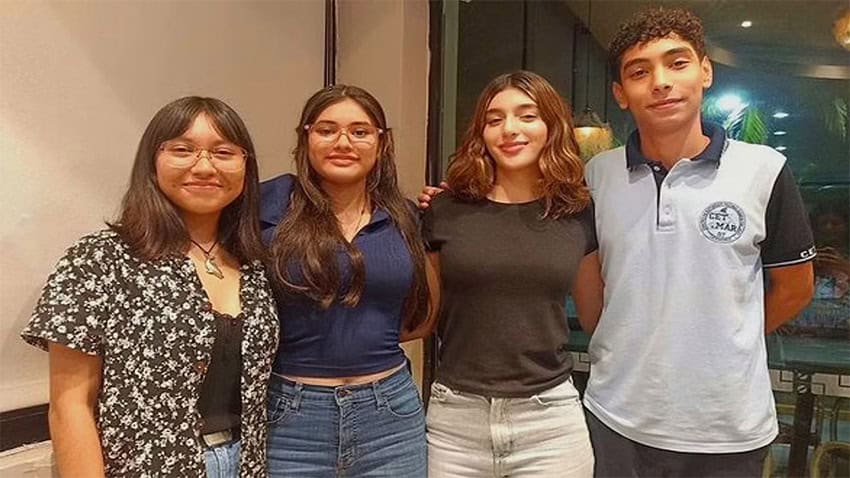
The Mexican team members include students Larissa Andrade Rodríguez, Briana Shirel Ruiz Tinoco, Abril Daniela López Hernández and Sinuhe Hernández Zárate from the Aquaculture Technician program at their Veracruz city high school, CETMAR No.7. They were led by biologist and teacher Arturo Palomino Sánchez.
“This year’s winners have showcased extraordinary innovation in addressing critical global challenges,” said former President of Iceland Ólafur Ragnar Grímsson, who led the award’s panel of judges . “These winners have the potential to drive significant, scalable impact around the world.”
These aren’t the first students from Veracruz to win an international prize. Just last September, another bright Veracruz student won the Chegg Global Student Prize for developing multi-lingual software that diagnoses diseases using artificial intelligence.
With reports from Emirates News Agency WAM and Infobae