Especially for those of us from north of the border, the idea of truly being trapped is foreign to most of us.
Look how many of us had the freedom to simply pick up and move to Mexico, for example! Doing it “the right way“ might be complicated (and expensive), but it’s not impossible. And anyway, even doing it “the wrong way” does not typically get us abused or deported.
Plenty of us have been through tough times and situations. But we’ve mostly been through them as free citizens of a free nation. Most of us English speakers who’ve immigrated to Mexico grew up in places where getting a fair shake is simply expected.
If worst comes to worst, we can usually find a job — even if it’s not the job we want. We can count on grocery stores being stocked with food and on getting a steady flow of electricity. There are enough comfortable people around us that charity is a real possibility if we wind up needing it.
A life without agency
All this is to say that it’s rare that most of us living today have been in situations of having no hope or agency. It is because we haven’t, I’d argue, that it’s so easy to dismiss refugees fleeing hopeless situations in their own countries, or to imagine that people unable to help themselves are truly unable to: we simply can’t imagine being unable to do anything about a bad situation we may find ourselves in.
This is a very different experience from many others in the world, who are basically fish in a barrel. Look at Gaza, for example. For most Palestinians, there’s literally no way out other than death. Look at Sudan, where poverty is rampant and soldiers roam from town to town taking what they will. Or look at Ukraine, fighting to defend its sovereignty, the world apparently weaker than it seemed to stop such an obvious violation by a stronger power. Russia’s young men, in the meantime, are being plucked by force to go fight in a useless war. Look at Venezuela: poverty, shortages of goods and services, and a takeover by a country that openly cares about its national resources, not the people.
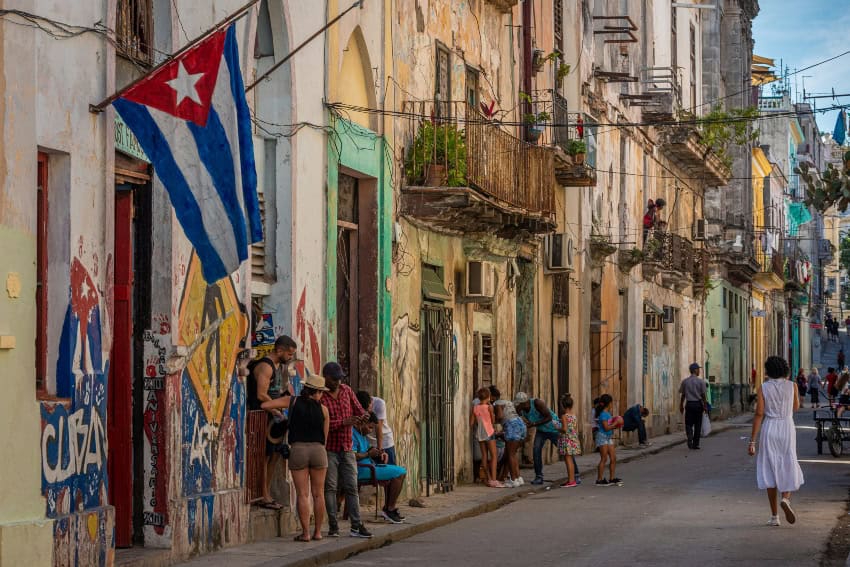
Look at Cuba.

What’s happening in Cuba
Cuba has been in the news a lot more lately, and not for reasons it would like. Its people are suffering, starving and dying of preventable diseases.
The reason is not that they don’t work hard enough; it’s not that they’ve failed to “find solutions.” It’s the literal squeezing from the U.S. In classic Trump fashion, he’s actively causing the pain, then blaming those suffering for the consequences of it. Donald Trump wants it “fallen” and is salivating already: another notch in his belt after his “success” in Venezuela.
And now he’s preventing, in a major way, Mexico from helping.
One of the most meaningful ways that Mexico could help, and has helped, is by sending oil. In 2025, it surpassed Venezuela as its main oil supplier, which Cuba depends on for electricity.
US designs on Cuba
But Trump has become bolder and more confident. Though Mexico and Cuba have been close allies for a long time, Cuba has managed to stay on the U.S.’s bad side since their revolution in 1959. Obama re-established relations with the country, only to have them turned right back around by Trump … twice.
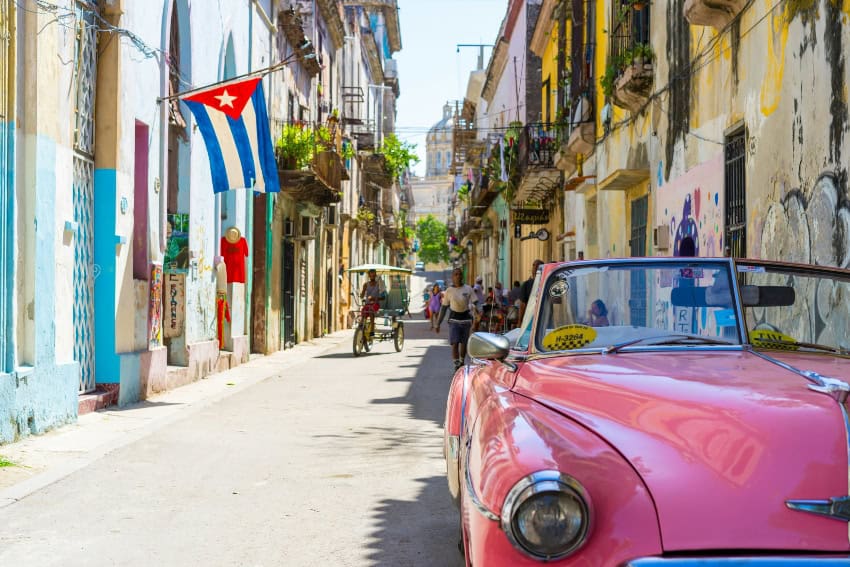
When you think about it, it’s hands down amazing that Cuba has survived for so many decades with outright hostility from their largest and most powerful neighbor. And even in its poverty, Cuba’s people have managed to do amazing things, turning out top doctors, dancers and artists. Given the circumstances, it’s amazing Cubans have accomplished so much.
But now, they are in a true new crisis, caused single-handedly by the U.S. government under Donald Trump. We know that Trump’s got his eye on Cuba for conquest, and signs seem to point to him having an eye on Mexico as well. That story about the El Paso airport closing because they were fighting off Mexican drones? They couldn’t be more transparent if they were made of Saran Wrap.
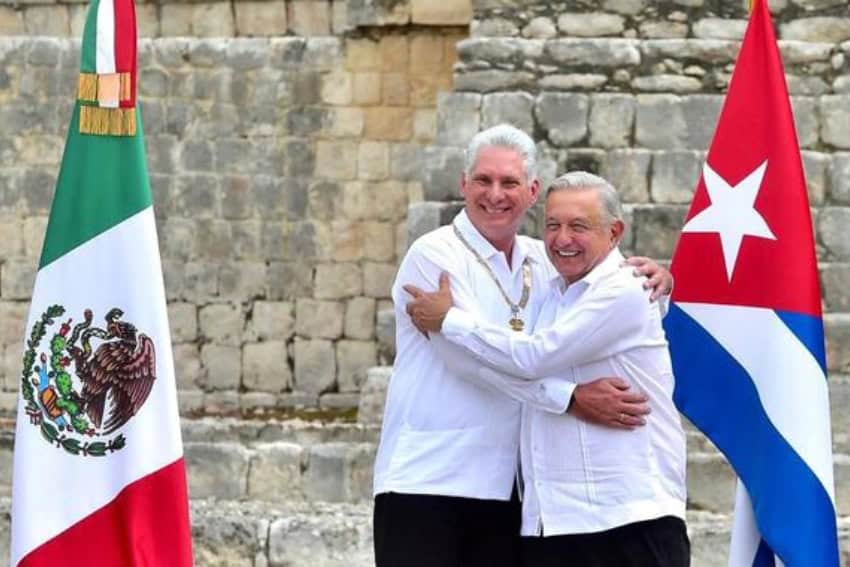
This puts Mexico in a tough spot. Mexico wants to help Cuba, as it always has. And it has done so despite the disapproval of the U.S. Honestly, Mexico has been a great “Switzerland” in the situation: it has stayed in the U.S.’s good graces while helping an ally that has lived for decades under the U.S.’s very intentional thumb.
Trapped on an island
Cubans right now are pretty much literally fish in a barrel. It’s an island. How to escape one’s fate? Again, most of the readers of Mexico News Daily have never had to deal with the certainty that we’d flat-out die if someone didn’t show mercy. If we have, it’s been on an individual basis, not because we happened to live in a certain place. We’ve grown up knowing that 1) help was likely to arrive and 2) there were things we could do to help ourselves.
What can Cubans do (or Palestinians, for that matter)? When a powerful country has decided you must be collectively brought to your knees, there’s nothing you can do to keep your children, or yourself, from suffering the consequences. They must die because someone you don’t know wants to use you as a pawn to bring some other power you also have little to do with to their knees. It is the very definition of “unfair.” (In a book I recently read, a god says, “Fair? What’s fair?”)
I’m with President Sheinbaum on this one: “You can agree or not agree with a regime, but the people should never be affected.”
I wish the people insisting on Cubans’ suffering could get behind that message, too.
Sarah DeVries is a writer and translator based in Xalapa, Veracruz. She can be reached through her website, sarahedevries.substack.com.