Home Blog Page 1563

Competition commission warns of higher electricity rates

0
solar power
New renewable energy projects will be delayed.

The Federal Economic Competition Commission (Cofece) has warned that electricity rates could go up as a result of measures that will delay the commencement of new renewable energy projects and ramp up production at old state-run power plants.

The National Energy Control Center (Cenace) published an agreement last week that suspended trials that allowed wind farms and solar parks to provide electricity for the national grid. The decision will cause delays to 28 new wind and solar projects because they can’t begin selling electricity to the Federal Electricity Commission (CFE) until they have completed the trials.

Cenace also said that fuel oil produced by Pemex as part of the oil refining process will be used to ramp up power generation at old CFE plants in order to “to improve the reliability of the electricity system” during the coronavirus pandemic.

The competition commission said in a statement that it had advised the federal Energy Ministry, the Energy Regulatory Commission and the National Energy Control Center that the Cenace agreement could lead to higher power prices and force the federal government to increase electricity subsidies.

Private energy companies including those that operate renewable projects sell electricity to the CFE at prices that are much lower than it costs the state-run commission to generate it itself. Therefore, the greater the quantity of power the CFE supplies to the national grid itself, the higher electricity rates will be.

Cofece also said that the Cenace decision that delays the entry into operation of new renewable energy projects could be in violation of competition rules and generates investment uncertainty.

The commission criticized the Cenace agreement for not stipulating the length of the suspension of the renewable energy trials and not establishing “clear and measurable criteria” under which the trials can be resumed, “thus worsening the uncertainty for planned and future investments in wind and solar generation projects.”

It also said that the Cenace measures create uncertainty for wind and solar power plants that already operate in the market and which “usually have lower production costs than conventional plants.”

“For wind and solar generators this could imply, although it is not totally clear, that their dispatch is limited in favor of conventional power plants that currently have idle available capacity, as could be the case of those of the Federal Electricity Commission.”

Cofece recommended a review of the Cenace agreement, stating that the measures that concern wind and solar projects should be based on “strict technical criteria directly linked to aspects of reliability, continuity and stability” of the national electricity system. The criteria should be made available to the public, Cofece added.

“During the health emergency, competitive electricity prices are of the utmost relevance. Cofece’s recommendations seek to avoid a permanent increase in electricity rates or an increase of subsidies by the federal government in a context of budgetary constraints.”

Source: El Universal (sp) 

Coronavirus has closed 30,000 restaurants permanently: Canirac

0
Restaurants face a long battle to recovery.

Coronavirus restrictions have hit Mexico’s restaurant industry extremely hard, reports Francisco Fernández, president of the restaurant association Canirac. An estimated 30,000 restaurants will be permanently closed once restrictions are lifted, he says.

Only 20% of the nation’s 635,788 dining establishments remain open for take-out and delivery, and sales have dropped more than 85%, Fernández said at a virtual Confederation of Industrial Chambers meeting on Thursday. 

Canirac estimates that more than 80% of restaurateurs do not have sufficient liquidity to cover payroll, fixed expenses and taxes, and most of them have been closed with zero revenue since March 23.

It’s an economic blow from which many will not be able to recover, and one that Fernández describes as “brutal.”

Canirac estimates that 98% of restaurants are small or medium-sized, and 48% are family owned and operated. 

The closure of such a significant number of establishments translates to a loss of jobs that would affect more than 300,000 families. A 2018 study found that 2.14 million Mexicans work in the restaurant industry. 

To mitigate the impact on the sector, responsible for 15.5% of tourism’s gross domestic product, Fernandez proposed marketing campaigns to include official coronavirus-free certification, financial assistance in the form of soft loans and grace periods, subsidized utility rates and tax deductions.

Fernández, who calculates restaurants will have been shuttered for 75 days by the time the coronavirus stay-at-home restrictions are lifted, knows his industry is facing a long battle when it comes to economic recovery to pre-coronavirus levels. He reminded those in the meeting that it took restaurants in Mexico 10 years to fully rebound from the H1N1 pandemic in 2009.

Source: El Universal (sp)

Mothers continue to search for missing children, calling it essential activity

0
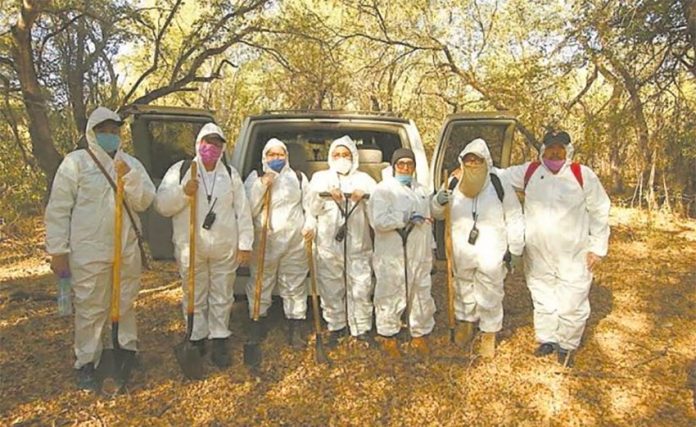
Members of the search collective, dressed for protection against the coronavirus.

Searching for missing loved ones is an essential activity, according to a group of women in Sinaloa who have not let the coronavirus crisis put a halt to their efforts to locate their children.

The Culiacán-based collective Sabuesos Guerreras (Warrior Sleuths) continues to carry out searches for their missing children despite authorities urging Mexicans to stay at home to slow the spread of Covid-19.

One of the collective’s members is María Isabel Cruz Bernal, whose son, a former municipal police officer, disappeared without a trace more than three years ago.

Once a week, Cruz dons gloves, a face mask and a protective suit before leaving her Culiacán home to go out in search of her son, Yosimar García Cruz. Other members of the 370-strong Sabuesos Guerreras, all desperate to find their missing children, do the same.

“We used to go out three times a week, now just once,” Cruz told the newspaper El Universal.

“Fifteen or 20 of us used to go out, now just half. We understand what the authorities are asking but the search mustn’t stop because if we don’t do it, no one will,” she said.

Cruz said that the members of the collective feel a strong need to search for their missing children, explaining that it helps to calm “the void” in their stomachs.

“Even though we go out protected, sometimes we forget that the coronavirus exists; we are already like the living dead – what can the virus do to us if the worst plague already inflicted the worst pain on us: the disappearance of our children,” she said.

Cruz said the “warrior sleuths” are currently not receiving any help from state authorities in their quest to find their loved ones, explaining that they were told that personnel at the Sinaloa Attorney General’s Office (FGE) are currently too busy to offer assistance due to the coronavirus.

When the collective’s members found human bone remains in a Culiacán community last month, FGE experts told them to store them in a bag and hand them in later for analysis, she said.

Although the women are breaking quarantine to look for their children, the authorities haven’t told them to put a temporary halt to their search efforts, Cruz said.

“If at some time they’re going to restrict our right to go out, they should explain to us what the dynamic will be so that they look for our family members,” she said.

“Hopefully they’ll let us keep looking because if we don’t, who will? Who is going to look for them if the authorities are very busy with other matters? That’s why we tell [the authorities] that if you’re not going to help us, don’t get in our way.”

Source: El Universal (sp) 

Acapulco murals pay tribute to medical personnel fighting Covid-19

0
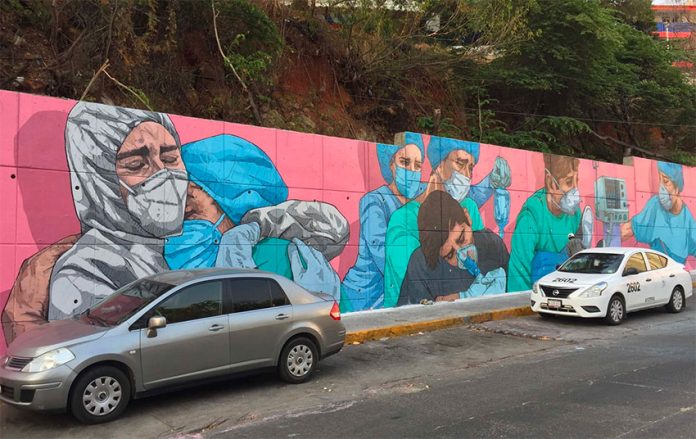
Heroes Also Cry, one of 12 murals painted in Acapulco.

A series of murals commissioned by the municipal government pays homage to the frontline healthcare workers caring for coronavirus patients in Acapulco, Guerrero.

One of the 12 pieces, entitled Heroes Also Cry, was created by muralist David de León and his wife Abigail Medina, who collaborated with six other painters to complete the mural in five nights.

They worked from 9:00 p.m. to 8:00 a.m. each night to avoid traffic and mitigate the possibility of catching the virus, but the painters said the all-nighters were nothing compared to the 14 to 16-hour shifts that health workers are putting in daily.

The mural is 33 meters long and four meters tall and is divided into two sections, the first of which features two medical workers embracing each other while crying.

“I tried to capture them in a very human attitude, because all this protective equipment dehumanizes them. They just turn into a doctor or nurse and have no name. They are Juan, María or Camila,” said de León.

The second section of the mural shows four health workers moving a patient in serious condition. Two carry the patient, one carries the IV and the other pulls the oxygen equipment.

“I decided not to have them using a stretcher in order to dramatize the scene even more due to the extra effort they’re putting into it,” said the muralist, who added that it is also meant to call attention to the lack of medical supplies many hospital staff are facing.

Shortages of medical supplies and personal protective equipment have plagued several hospitals in the country since the virus arrived in Mexico.

De León had already painted two other murals commissioned by the municipal government. One titled Heroes Without Capes is a comic book-style piece featuring essential public employees, such as street sweepers, workers the artist described as those “we don’t notice much, but who risk their lives in order to keep working.”

De León was given full artistic license for the latest mural, and decided on medical workers thanks to a suggestion by his wife, who said that “they receive insults and are branded as murderers for the sacrifice and labor that an ordinary person would not do.”

The inspiration for the mural came from the artists’ relationship with healthcare workers. One family member has spent over a month separated from his wife and daughters in order to keep them safe, keeping in touch with video calls.

In order to avoid harassment, he makes sure not to wear his scrubs or other identifying items in public, and has not told the neighbors at the apartment he is renting that he works at a hospital.

Stories of 14-hour shifts without a bite to eat and even of doctors and nurses wearing diapers in order to not have to take bathroom breaks also influenced the artists’ decision to feature them in the murals.

For de León and Medina, painting is their way of combating the coronavirus pandemic.

“Everyone has to do their part for the cause with the skills and resources they have,” de León said.

Source: Milenio (sp)

Despite coronavirus symptoms, senior released from hospital twice

0
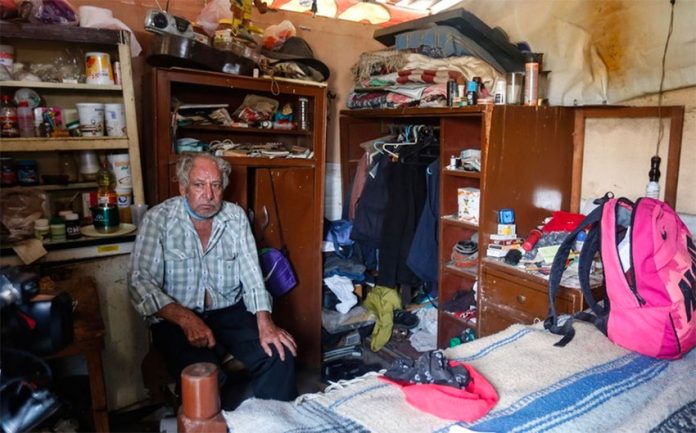
'At least I'm still alive,' says Anastasio.

A 73-year-old México state man was sent home from the same hospital twice this week despite being diagnosed with pneumonia and suffering serious coronavirus-like symptoms.

Anastasio, whose last name was not given, spent seven days in the Fernando Quiroz Gutiérrez General Hospital in Valle de Chalco, a México state municipality that borders Mexico City to the east.

Anastasio was reported in serious condition on Sunday but was nevertheless abruptly discharged on Tuesday at which time he was given a certificate that said that the results of his Covid-19 test were not yet known.

The poverty-stricken pensioner returned to his cramped one-room Valle de Chalco home but within 24 hours his condition deteriorated and he found himself once again with breathing difficulties, a fever, a dry cough and problems remaining steady on his feet.

A former neighbor took him to the Ignacio Zaragoza ISSSTE Regional Hospital in the Mexico City borough of Iztapalapa on Wednesday but he was turned away as the facility was already full with Covid-19 patients.

Anastasio told the newspaper Milenio that he then took a public bus to the Valle de Chalco hospital from which he was discharged the previous day.

He said that a doctor at the hospital told him that it was unfathomable that he had been allowed to go home the previous day considering that he had Covid-19 symptoms and is vulnerable to the disease due to his age.

Anastasio remained in emergency for five hours waiting to be admitted but was suddenly asked once again to return to his home. He was given another certificate saying that he had pneumonia probably caused by Covid-19.

“They told me that they were going to hospitalize me again but when they were just about to, they changed their mind,” Anastasio told Milenio in a raspy and weak voice.

“Maybe it was because they didn’t have space anymore, … everywhere is overwhelmed [with coronavirus patients],” he said.

Speaking at his small home, Anastasio said he was told that it was normal for him to feel so unwell considering his age. The pensioner and former Walmart grocery packer said that he was also told that he had heart and lung problems, including pneumonia, and that he was dehydrated.

His second hospital discharge certificate indicated that he must isolate himself for 14 days and said once again that the results of his Covid-19 test were unknown. Anastasio was given blood pressure medication and a prescription for other medicines that neither he nor his former neighbor and only friend can afford, Milenio said.

Yet the senior said that he has faith that he can get better despite his ongoing respiratory symptoms and not having a peso to his name.

“[I feel] very bad all over but here I am still alive,” he said.

Source: Milenio (sp) 

Mazatlán says restaurants can reopen; state warns it’s too early

0
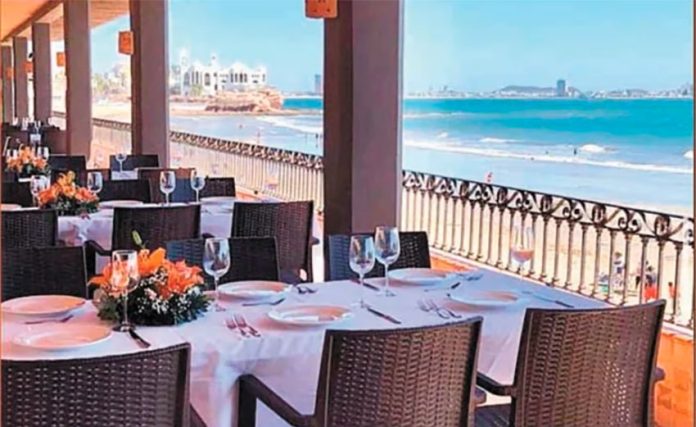
An empty restaurant in Mazatlán. The mayor wants to fill those seats for Mother's Day on Sunday.

The mayor of Mazatlán, Sinaloa, announced that the city’s restaurants will open with limited capacity on Sunday, sparking criticism and warnings from state health officials who say it’s still too early for such a move.

Mayor Luis Guillermo Benítez Torres wants eateries to open at 40% capacity so that families can celebrate Mother’s Day, but the state Health Ministry warned him that there are still too many active cases in the city to do so safely.

Of the 612 active cases of Covid-19 in Sinaloa, 83 are in Mazatlán, the location with the third highest number of cases in the state.

Benítez argued that municipal governments are autonomous, but state Health Minister Efrén Encinas Torres said that mayors are obliged to obey the nationwide preventative measures that are based on state and federal health laws.

He warned the mayor against the move, citing the severity of the crisis and the risks of not continuing to observe physical distancing measures.

A similar argument played out between state authorities in Nuevo León and the mayor of San Pedro Garza García, Miguel Treviño, who reinitiated public works projects in the municipality on Thursday.

Governor Jaime Rodríguez said that even the president is bound to abide by the federal mitigation measures, which clearly define essential and nonessential activities.

That state’s health minister, Manuel de la O Cavazos, expressed his preoccupation for the situation in Nuevo León, where Covid-19 cases “filled up a hospital” in a single day after 89 people were hospitalized Wednesday. That number was topped on Thursday, when 141 cases were admitted to medical centers in the state.

Source: El Universal (sp)

Gang of highway robbers paralyzes traffic on Puebla-Veracruz highway

0
Hidden drivers watch thieves steal their trucks or their cargo.

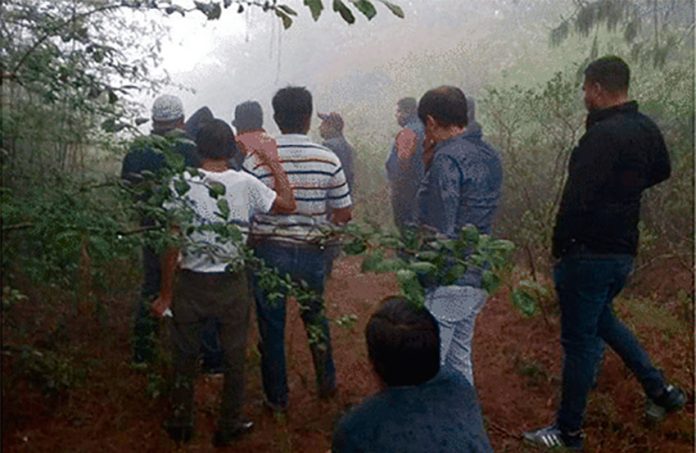
In a scene that is becoming more and more common in certain parts of the country, a band of 15 masked men armed with high-powered rifles stopped and assaulted transport trucks on the Veracruz-Puebla highway late Thursday night as truck drivers sent urgent messages requesting intervention by the Federal Police and National Guard. 

Some truckers report they had their entire rigs stolen, and many drivers fled into the brush nearby to avoid being physically attacked during the incident, which occurred on a foggy stretch of highway between Ciudad Mendoza, Veracruz, and Acatzingo, Puebla.

In the first seven days of May, there have been at least seven instances where buses, private citizens and truck drivers have been the victims of highway robbery on the road between Puebla and Veracruz, and other areas in the state of México reportedly have it far worse.

A spokesman for the Mexican Employers Federation (Coparmex) estimates that truck drivers on Federal Highway 150D, a toll road connecting Orizaba and Mexico City, are been robbed and assaulted at a rate of four times a week. Truckers along that route have stopped driving at night in order to avoid being robbed. 

Fernando Treviño Núñez said that despite the danger of the route that leads from the south to the center of the country, armed assaults along the highway have been occurring for the past three years and police have proven ineffective in combating criminal gangs in the area. 

Treviño says the thieves look for trucks carrying household appliances, clothing, mobile phones, groceries, toys and other products that are easily resold on the black market. Drivers have started using smaller, less conspicuous vehicles and incurring the added cost of making three times as many trips in order to escape the attention of the highway robbers. 

Carlos García Álvarez, a representative of the Mexican Transport Alliance Organization (Amotac) in the state of México, puts the number of assaults at an even higher rate than that of Coparmex. He says that between 20 and 30 occur on a daily basis on highways connecting Toluca to Naucalpan and Atlacomulco. García says this is a 70% increase compared to the first two months of this year. 

García has noted that since the coronavirus restrictions began thieves have also been targeting trucks transporting food and cleaning products, and even hijacked an alcohol tanker. 

While he hopes the frequency of the attacks will decrease once Mexico begins to emerge from the pandemic, Treviño has called on the federal government to intervene in the interest of public safety.

Source: El Sol de Toluca (sp), Diario de Xalapa (sp), El Economista (sp)

Commission contradicts AMLO: family violence complaints have risen

0
The president's attitude is patriarchal, said Rogelia González.

President López Obrador assured the nation this week that domestic violence has not increased during the coronavirus quarantine. 

Yet his statement directly contradicts evidence collected by the National Human Rights Commission (CNDH), which shows a significant upswing in the number of family violence-related emergency calls, and his own interior secretary.

“In the case of violence in general and violence against women we have not noticed an increase … the way we measure it is through complaints that are presented and there may be unreported cases, but there has been no increase in complaints,” López Obrador stated in a press conference on Thursday where he went on to extol the strength of family bonds in Mexico. 

But the numbers paint a very different picture of what life has been life during isolation for at-risk women and families. 

The CNDH reported that between January and March the number of women murdered in Mexico per day increased to 10.6, compared to the 10.5 during the same period of 2019.

But reports of domestic violence showed the greatest increase under the stay-at-home mandate. 

“From January to March 2020, 170,214 emergency calls related to incidents of domestic violence were registered; 52,498 in January, 52,858 in February and 64,858 in March,” the CNDH said in a report

Quarantine orders began in March, and nearly 11,000 more cases were reported that month compared to January and February. 

March also saw 20,232 new domestic violence investigations opened by authorities, an increase of 13.7% over February and 23.3% over March 2019. It was the highest number of investigations opened since López Obrador took office. 

The National Public Security System reports that in the first three months of this year, state Attorney General’s offices opened 53,877 new domestic violence investigations.

The average number of new cases per day shot up from 511 in January to 613 in February and reached 652 in March.

After Interior Secretary Olga Sánchez Cordero estimated that violence against women had increased 60% during the coronavirus isolation period, the president said it wasn’t necessarily true.

Such violence “cannot be measured using the same parameters as the rest of the world. In Mexico we have a culture of solidarity within the family,” López Obrador said.

“The family in Mexico is exceptional, it the most fraternal human nucleus; this is not the case in other places [and] I say it with all due respect …”

A member of a national network of women’s shelters said it was worrying that the president was unaware of official data regarding domestic violence and called his position on family fraternity “patriarchal.”

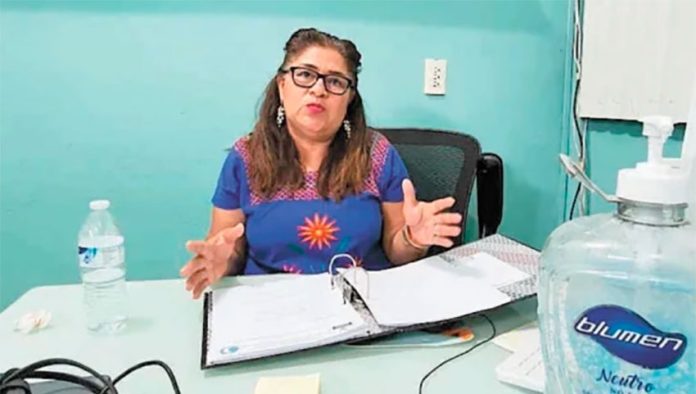
If it were true that all Mexican families enjoyed such fraternity there wouldn’t be as many femicides and indigenous women wouldn’t be fleeing their communities, said Rogelia González Luis of an indigenous women’s shelter in Juchitán, Oaxaca.

The CNDH urged government agencies to come up with a plan to address the increase of domestic violence during the coronavirus quarantine, including educational campaigns, improved methods of communication with authorities and more efficiency in issuing protective orders against aggressors.

Source: El Universal (sp), Reforma (sp)

89-year-old Guerrero woman with diabetes beats Covid-19

0
The 89-year-old patient is released from an Acapulco hospital.
The Taxco woman is released from an Acapulco hospital.

An 89-year-old Guerrero woman with diabetes survived a 17-day bout of Covid-19 and was released from an Acapulco hospital on Tuesday.

María, whose last name was not given, was one of 12 patients discharged from the city’s Social Security Institute (IMSS) General Hospital earlier this week. The survivors ranged in age from 29 to 89 and suffered from a number of comorbidities that made them especially vulnerable to the virus, including obesity, asthma, chronic bronchitis, diabetes and hypertension.

Appearing happy and healthy upon her release, María expressed her gratitude to the frontline workers whose efforts enabled her return to her home in Taxco, in the north of the state.

She encouraged personnel to continue “doing their best, because they give very good medical attention,” and added a plea to others to “take care of themselves and stay home,” IMSS said in a statement.

Doctors, nurses and other hospital staff in Acapulco have received a lot of emotional support from the public. In mid-April, out-of-work mariachis serenaded frontline workers at several hospitals in the city to thank and encourage them not to lose heart.

In addition to diabetes and her advanced age, María suffered from a fever, cough and oxygen capacity of 80% when she was admitted to a hospital in Taxco on April 18. Doctors soon after transferred her to Acapulco for specialized care.

The head of internal medicine at the Acapulco hospital, Dr. María del Socorro Ryes Atlixco, said that the treatment of broad spectrum antiviral medications, steroids and chloroquine kept María off of a ventilator during her battle with the coronavirus.

Excited to see her mother leave the hospital, María’s daughter Gloria said, “My mom is a warrior because of the huge fight she put up,” and added that it is vital for the public to take the government’s quarantine and physical distancing recommendations seriously.

She said that María’s 35 grandchildren and great-grandchildren and her 98-year-old husband are eagerly awaiting her return home.

Mexico News Daily

Thursday sets a record for new Covid-19 cases, deaths; trend ‘clearly upward’

0
Coronavirus cases in Mexico as of Thursday evening.
Coronavirus cases in Mexico as of Thursday evening. milenio

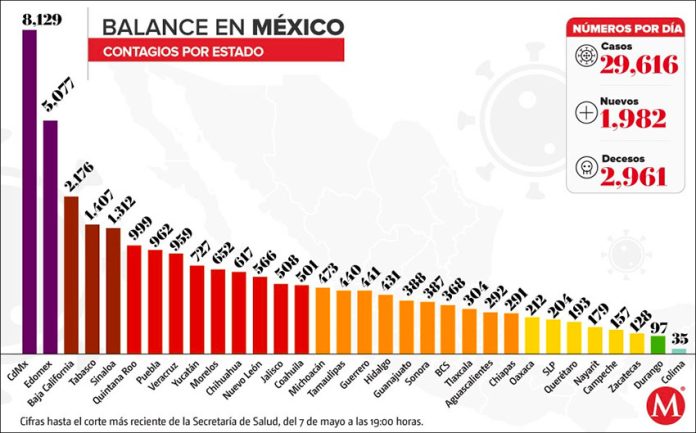
Mexico recorded its biggest single-day increase to both its coronavirus case tally and death toll on Thursday, lifting the former to almost 30,000 and the latter to just under 3,000.

The federal Health Ministry reported 1,982 new confirmed Covid-19 cases, taking the total number of accumulated cases since the disease was first detected at the end of February to 29,616. It also reported 257 additional fatalities, lifting the death toll to 2,961.

Mexico’s coronavirus fatality rate is now in double figures for the first time at 10 per 1,000 confirmed cases.

A total of 10,392 additional confirmed cases were added to Mexico’s tally in the first week of May, 37% more than in the final seven days of April. Health authorities reported 1,102 coronavirus-related deaths in the first week of this month, 39% more than the 790 fatalities recorded in the last week of April.

Health Ministry Director of Epidemiology José Luis Alomía said Thursday night that Mexico’s epidemic curve continues to maintain a “clear upward trend,” contradicting Deputy Health Minister Hugo López-Gatell’s assertion on Tuesday that the curve is flattening.

The coronavirus death toll was approaching 3,000 as of Thursday evening
The coronavirus death toll was approaching 3,000 as of Thursday evening. milenio

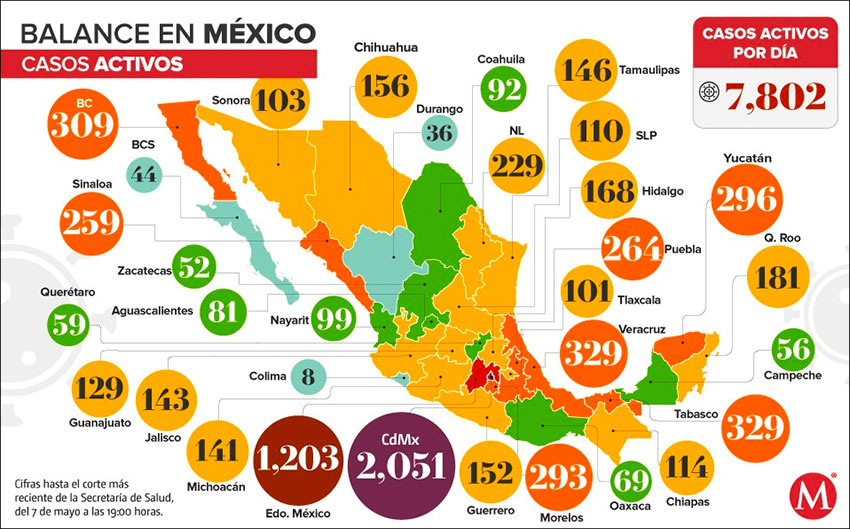
Alomía told reporters at the nightly coronavirus press briefing that 7,802 of the almost 30,000 confirmed cases are considered to be active. He also said that there are 18,812 suspected Covid-19 cases across the country and that 117,211 people have now been tested for the disease.

Mexico City has the highest number of accumulated and active coronavirus cases, with 8,129 of the former and 2,051 of the latter. México state ranks second in both categories, with 5,077 accumulated cases and 1,203 active ones, according to Health Ministry data.

Eight states have more than 200 active cases: Veracruz (329); Tabasco (329); Baja California (309); Yucatán (296); Morelos (293); Puebla (264); Sinaloa (259); and Nuevo León (229). Active cases have surged in Nuevo León this month, increasing by 144% from 94 on May 1.

At the municipal level, Iztapalapa in Mexico City continues to lead the country for active cases, with 503. Gustavo A. Madero, Mexico City, is second followed by Centro (Villahermosa), Tabasco; Culiacán, Sinaloa; and Nezahualcóyotl, México state.

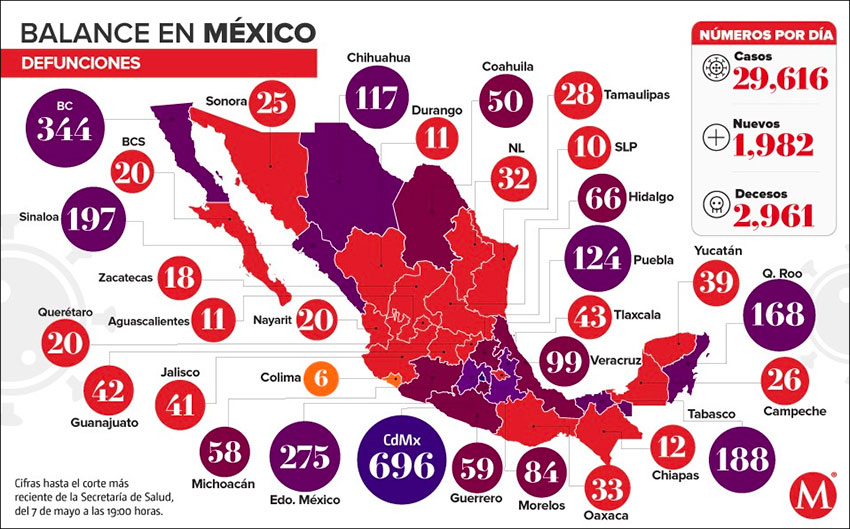
Mexico City has also recorded the highest number of coronavirus-related deaths, with 696 fatalities as of Thursday, according to Health Ministry figures.

However, The New York Times reported on Friday that the federal government is not reporting hundreds or possibly thousands of Covid-19 deaths in the capital. It said that Mexico City officials have counted more than three times the number of fatalities than the federal government has publicly acknowledged.

Active cases of Covid-19 in Mexico.
Active cases of Covid-19 in Mexico. milenio

The Times reported that Mayor Claudia Sheinbaum began to suspect that federal data was flawed a month ago but has not spoken out publicly because she doesn’t want to embarrass President López Obrador, her close political ally.

Two former federal health ministers, José Narro Robles and José Ángel Córdova Villalobos, publicly expressed doubt this week about the government’s coronavirus statistics and modeling, with the latter asserting that the figures are “almost irrelevant.”

According to official figures, Baja California has the second highest death toll in Mexico, with 344 fatalities.

Six other states have recorded more than 100 coronavirus-related deaths: México state (275); Sinaloa (197); Tabasco (188); Quintana Roo (168); Puebla (124); and Chihuahua (117).

At the municipal level, Tijuana, Baja California, has the highest death toll, with 243 fatalities, followed by Culiacán, Sinaloa (139); Gustavo A. Madero, Mexico City (135); Benito Juárez (Cancún), Quintana Roo (131); and Iztapalapa, Mexico City (110).

Among the almost 3,000 people confirmed to have lost their lives to Covid-19, 503 did not have an identified existing health problem that made them more vulnerable to the disease nor were they aged over 65.

Five foreigners have died of Covid-19 in Mexico, according to Health Ministry data – one person from each of Cuba, Greece, Canada, Chile and El Salvador.

Source: Milenio (sp)