Home Blog Page 964

Rice, Plain and Simple

0
rice
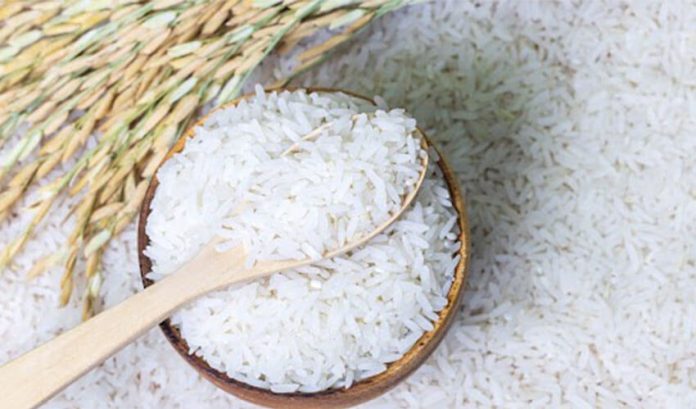
Rice is one of those truly adaptable foods with recipes for breakfast, lunch and dinner.

Perfectly cooked rice is a joy to eat, a joy to serve and a joy to be able to consistently make yourself. And therein lies the rub: rice is tricky to cook.

Without going too deeply into the science of what rice is, most of us know a grain of rice has multiple layers. Brown rice contains the three most nutritional: the bran, germ and endosperm, which contain fiber, fats, nutrients and starch. (That’s why brown rice is best kept refrigerated — the fats make it less shelf-stable.)

“Regular” white rice is pure starch (only the endosperm) and the three sizes (long-, medium- and short-grain) have different amounts of the two starches that rice naturally contains.

Long-grain rice, like Carolina, Jasmine and Basmati, have just the right ratio of starches to both fluff up and separate the grains — when cooked properly. Shorter-grain rice will be stickier and more glutinous (an example would be sushi rice) — unless it’s precocido, i.e., precooked/parboiled. In that case, the grains are already cooked whole with the endosperm separated afterward, and you’ll get separate, fluffy grains. “Converted” or parboiled rice also cooks more quickly than regular rice.
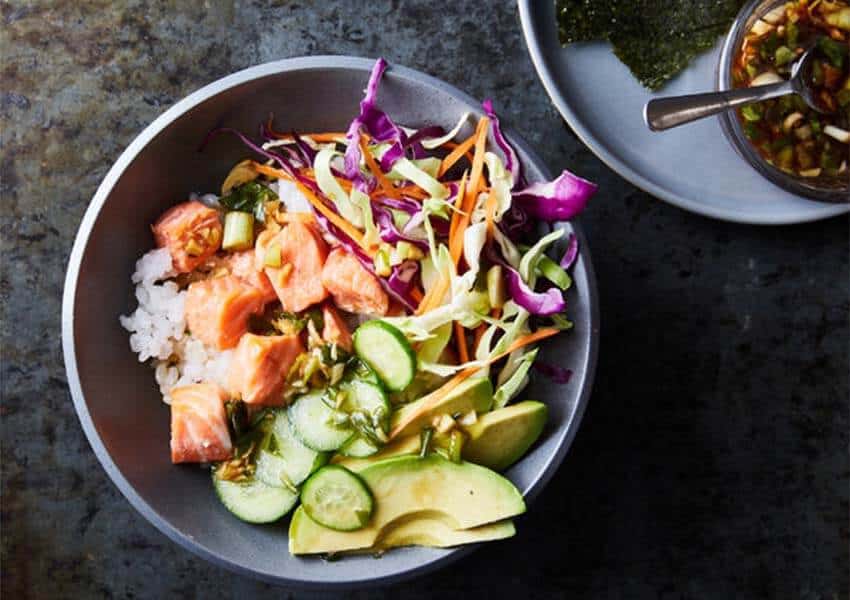
Salmon bowl
This delicious salmon bowl also means plenty of Omega-3s!

It’s a lot of information, and kind of confusing. I’d wager that most of us, at this point, have a favorite type of rice we cook and maybe a method we swear by.

Put simply, the keys to perfectly cooked rice are rinsing it first, the water to rice ratio and not letting the steam escape. That’s why a rice cooker or Instant Pot makes perfect rice every time.

Mexican cuisine relies heavily on the stickier short-grain rice, but I prefer Basmati, an aromatic long-grain rice popular in Indian cooking. It’s available in Asian food stores, grocery stores and big-box stores like Costco.

My know-it-by-heart recipe uses a ratio of ¼ cup less than twice as much water to rice. So for 1 cup of rice, I use 1¾ cups water. I always rinse the rice till clear (I actually have a special rice strainer that I found in a Chinese store here in Mazatlán) and let it dry before cooking.

I bring the water to a boil, add a pinch of salt, dump in the rinsed rice and bring it to a boil again. Stir once, turn heat to low, cover tightly and cook for 16 minutes. Voilà!

Vanilla-Coconut Rice Pudding (Arroz con Leche de Coco)

  • ½ cup sugar
  • ½ vanilla bean, split and with the seeds scraped OR ½ tsp. vanilla extract
  • 3 cups whole milk, plus extra to adjust consistency
  • 1 cup full-fat coconut milk, shaken to mix
  • 1-1/3 cups cooked long- or medium-grain white rice
  • 1/8 tsp. salt

Combine sugar and scraped vanilla seeds/vanilla extract. in a 3-quart saucepan. Add milk and coconut milk; whisk until sugar is dissolved. Stir in rice and salt.

Bring mixture to a boil over medium-high heat, then immediately lower heat to simmer. Cook, stirring and scraping bottom and sides of pot every few minutes with a rubber spatula to prevent sticking and scorching, about 45 minutes, adjusting heat as needed to maintain gentle bubbling until mixture begins to thicken.

Continue cooking, stirring constantly, until pudding thickens to the consistency of yogurt and coats the back of a wooden spoon, about 10 minutes longer.

Remove from heat. Serve warm or chilled, adding ¼ cup milk if too thick after refrigeration. Top with toasted coconut, fresh fruit or pineapple. — www.seriouseats.com

Coconut chicken
Cashews and coconut milk make this chicken dish nice and creamy.

Sesame Salmon Bowl

  • ¼ cup rice vinegar
  • 3 Tbsp. sugar
  • ½ tsp. salt, plus more for seasoning
  • 1½ cups sushi rice (short-grain white rice), rinsed well
  • 1½ pounds skinless salmon fillet, cut into 1-inch cubes
  • ½ tsp. toasted sesame oil
  • ¼ cup low-sodium soy sauce
  • 3 Tbsp. white vinegar
  • 2 Tbsp. safflower/canola oil
  • 2 Tbsp. chopped scallions
  • 2 Tbsp. minced fresh ginger
  • 3 Persian cucumbers, thinly sliced
  • 3 packed cups coleslaw mix (or equivalent made fresh)
  • 1 avocado, sliced

In large saucepan, combine rice vinegar, sugar and salt; stir to dissolve sugar. Add rice and 1¾ cups water; stir. Bring to a boil over high heat; cover and reduce heat to low. Cook until rice is tender and most but not all liquid is absorbed, about 20 minutes.

In small bowl, toss salmon with ¼ tsp. sesame oil. Season with salt. Once rice is tender (after about 20 minutes), arrange salmon in even layer on top of rice. Cover pan and steam over low heat until fish is cooked to medium, 10–12 minutes.

In another small bowl, combine soy sauce, white vinegar, oil, scallions, ginger and remaining sesame oil. Mix well; season with salt.

Scoop salmon and rice into bowls. Top with cucumbers, coleslaw mix and sliced avocado. Drizzle with vinaigrette and serve.

Creamy Coconut Chicken with Rice

Cashews and coconut milk make this something special.

  • 1½ pounds boneless, skinless chicken thighs, each thigh cut into 2 equal-size pieces
  • ¼ cup coconut/olive /neutral oil
  • 2 tsp. salt
  • ½ tsp. black pepper
  • 2 Tbsp. minced fresh ginger
  • 1 Tbsp. minced garlic
  • 1½ cups Basmati or other white rice, rinsed until water runs clear
  • 1¾ cups chicken broth
  • 1 (13.5-ounce) can full-fat coconut milk
  • 1 yellow bell pepper, cut into ½-inch pieces
  • ½ cup roasted cashews, coarsely chopped
  • ½-1 medium white onion, minced
  • 2 Tbsp. chopped cilantro
  • 1½ cups chopped baby bok choy, spinach or other mild green, leafy vegetable

Heat oven to 375 F. (Or use stovetop, see below.) Drizzle chicken with 1Tbsp. oil. Season with salt and pepper.

In large Dutch oven, heat 2 Tbsp. oil. Brown chicken, turning halfway, until no longer pink, about 10 minutes. Transfer to paper-towel lined plate.

Add remaining 1 Tbsp. oil, ginger and garlic to empty pot. Cook, stirring, until fragrant, 30 seconds. Stir in rice to coat with oil; add broth, coconut milk, bell pepper, cashews, onions and remaining 1 tsp. salt and ¼ tsp. pepper. Stir well. Arrange chicken on top; bring to a boil over high.

Cover and bake until liquid is absorbed, rice is tender and chicken is cooked through, 25 minutes. (Alternatively, cook, covered, on stovetop over low heat, checking after 15 minutes.) When done, scatter with bok choy; cover and let sit 10–12 minutes till tender-crisp.

Scatter cilantro on top and serve.

Janet Blaser is the author of the best-selling book, Why We Left: An Anthology of American Women Expatsfeatured on CNBC and MarketWatch. She has lived in Mexico since 2006. You can find her on Facebook.
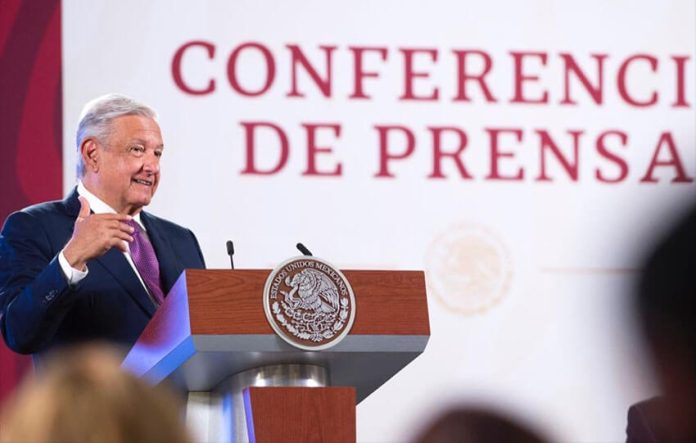
Taking away the Statue of Liberty: the week at the morning news conferences

0
The president speaks at his Tuesday press conference.
The president speaks at his Tuesday press conference. Presidencia de la República

President López Obrador had some banking to do last weekend, opening five branches of the state-owned Banco del Bienestar (Bank of Well-Being) in Morelos, Mexico City and México state. At one inauguration the president donned a Hawaiian-style flower garland, but stopped short of a hula dance.

Monday

The president was in party mood on Monday. He congratulated basketball player Juan José Toscano-Anderson for being the first Mexican to win the NBA finals and couldn’t hide his feelings about another recent victor. “Today we’re going to listen to cumbia. I’m really happy about Gustavo Petro’s triumph,” the president said, referring to the music genre from Colombia and the same country’s newly elected left wing leader.

However, the president’s mood soured on the subject of government collusion with organized crime. “That doesn’t exist in our government. It’s so absent that, to attack us, they make it up … they started making up that the government and I had links to organized crime. They can’t prove anything because we simply have principles and ideals … there’s no evidence,” he insisted.

The tabasqueño‘s winning smile returned at the mention of Petro’s victory, for which he took some credit. “We started a new era in the resurgence of democratic movements with a social dimension in America,” he said of his government, before calling for music: a song by Margarita la Diosa de la Cumbia (Margarita the Goddess of Cumbia), a Colombian-Mexican singer.

In relieving news for viewers, the head of the consumer protection agency Profeco assured that, despite fears, there was no shortage of toilet paper in Mexico. Another point in the country’s favor, the president explained, was the safety of its capital: Mexico City is safer than New York and is one of the safest cities in the world, he assured.

Tuesday

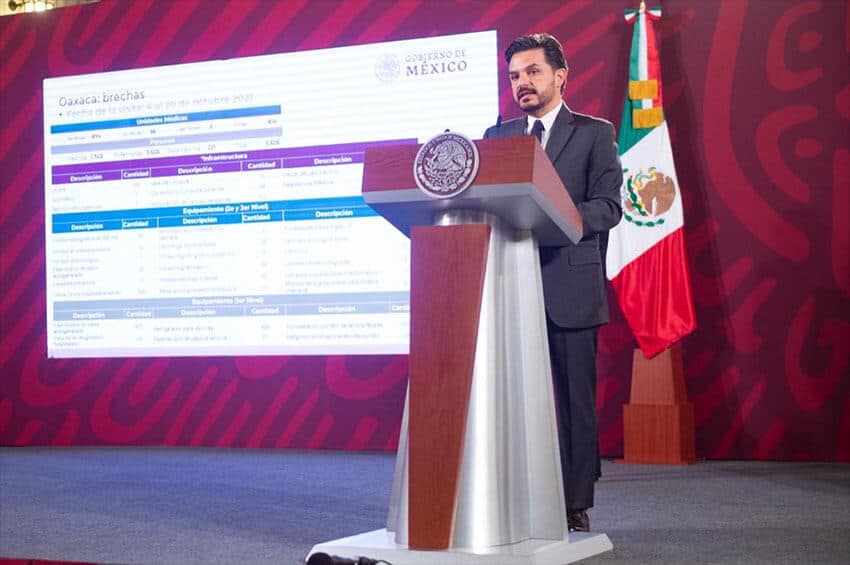
In the health update, the head of the Mexican Social Security Institute (IMSS), Zoé Robledo, addressed the country’s shortage of doctors. He said that no applicant had attended an interview for 78% of the 13,765 advertised posts, which appeal for specialists in poorly served, remote areas.

Mexican Social Security Institute (IMSS) Director Zoé Robledo spoke to the shortage of applicants to be rural doctors.
Mexican Social Security Institute (IMSS) Director Zoé Robledo spoke to the shortage of applicants to be rural doctors. Presidencia de la República

The well-being of Mexicans outside the country was of equal concern to the president. “We are ensuring that there is no mistreatment and that there is no discrimination [against migrants in the U.S.] … we are not going to allow any candidate, any party, for electoral purposes in the United States to use Mexicans … as a piñata. The time of silence is over, because there are very racist groups that used xenophobia, the hatred of foreigners, to get votes,” he said.

Another foreigner is unlikely to be offered the red carpet on arrival to the land of the free: investigative journalist Julian Assange’s extradition to the U.S. was approved by U.K. authorities. The president reiterated his objection to Assange’s imprisonment. “He is a prisoner of conscience. He is being unjustly treated. His crime … was to denounce serious violations of human rights and the interference of the United States government in the internal affairs of other countries … He is the world’s best journalist of our time … This is shameful,” he insisted.

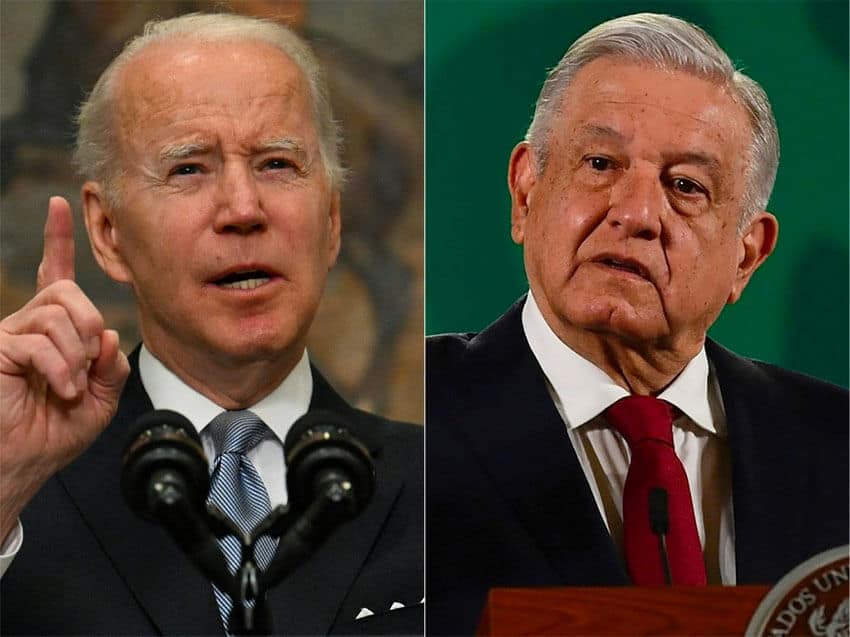
“What about freedoms? Are we going to remove the Statue of Liberty in New York? … I’m going to ask President Biden to address this issue,” the president added of the Assange case, before repeating his asylum offer to the journalist.

Wednesday

The president expressed his condolences for the two Jesuit priests murdered in the Sierra Tarahumara, the rural Chihuahua home of the Rarámuri people. He added both men were around 80 and had been trying to save another man.

Elizabeth García Vilchis, the government’s media monitor, called foul in her “Who’s who in the lies of the week” section. She said the head of a civil organization invented a rape case involving National Guardsmen and insisted social media had been manipulated to promote a “narco narrative” of the president collaborating with cartels.

“As the song says, sometimes customs are stronger than love,” López Obrador said of snail-like reforms of the state oil company Pemex, borrowing words from the much cherished singer Juan Gabriel. He stole another line later in the conference, this time from a 19th century Russian critic, to offer a view on Spanish-Peruvian writer Mario Vargas Llosa, an adversary of the president. “Do you think he can write anything worth reading? Imagination and talent are lost when someone gives themselves entirely to lying,” he said, in a barb directed at Vargas Llosa.

Thursday

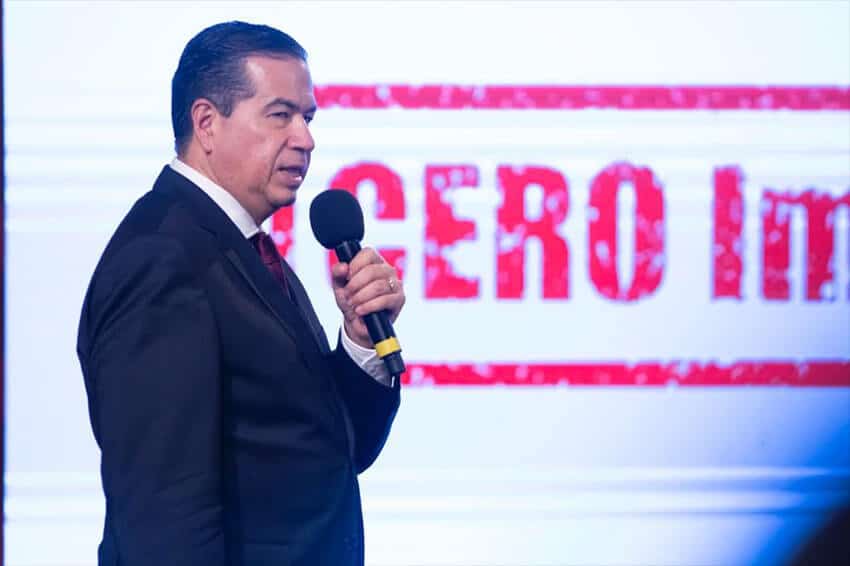
Deputy Security Minister Ricardo Mejía Berdeja introduces the "Zero Impunity" section, a weekly national security report.
Deputy Security Minister Ricardo Mejía Berdeja introduces the “Zero Impunity” section, a weekly national security report. Presidencia de la República

“Shorty,” “The Egg,” “The Accountant,” “The Cowboy,” “The Cow” and “The Devil” were the colorful names of choice of some of Mexico’s recently arrested criminals, the deputy security minister said. In a plot fitting of a Western, Ricardo Mejía Berdeja added that 5 million pesos (US $250,000) was being offered in the search for a man by the name of “El Chueco” (The Crooked) for the murder of the two priests in Chihuahua.

The president relayed Pope Francis’ reaction to the killings. “I express my sorrow and dismay at the murder in Mexico … of two Jesuits … How many murders in Mexico! Violence does not solve problems, but only increases unnecessary suffering,” the pontifex maximus’ Tweet read.

“We totally agree, because there are still those who think that violence must be confronted with violence, evil with evil,” López Obrador added.

Later in the conference, the president insisted that his adversaries were wrong to challenge his security strategy. “They are defending a failed strategy. They want us to use the full force of the state … an eye for an eye, a tooth for a tooth. That is the essence of conservative thought, that is what led Calderón to declare war,” he said, referring to a former president.

At the close, the president revealed an inspiration for his philosophy on law and order. “With serenity and patience, as Kalimán would say,” he said, in reference to the 1960s Mexican comic hero, an Indian orphan found abandoned in a river — the story goes — dedicated to fighting for justice.

Friday

The president reviewed the work of the Financial Times, The Washington Post, The Wall Street Journal and The New York Times on Friday, which he accused of being “very quiet” about the extradition of Assange. He had further advice for the European Union, whose parliament condemned violence against Mexican journalists in a March resolution. “The European Union is accusing us of not respecting freedom of expression and saying that journalists are persecuted … And now with Julian Assange, not a pronouncement, nothing, silence. They act as subordinates to the groups of economic power and political power,” he said.

The tabasqueño also had some constructive criticism for the U.S. Democratic Party later in the conference. He blamed Senator Bob Menendez for preventing the leaders of Cuba, Nicaragua and Venezuela from attending the Summit of the Americas earlier this month and criticized other Democratic lawmakers for blocking Biden’s infrastructure bill. “President Biden is a good politician and a good human being, but they’re all very abusive, they totally take advantage … hopefully they support the president and support their party. They are leading their party to failure,” López Obrador warned Democrats.

Mexico News Daily

In a tiny Jalisco village, an enormous pre-Hispanic palace is slowly uncovered

0
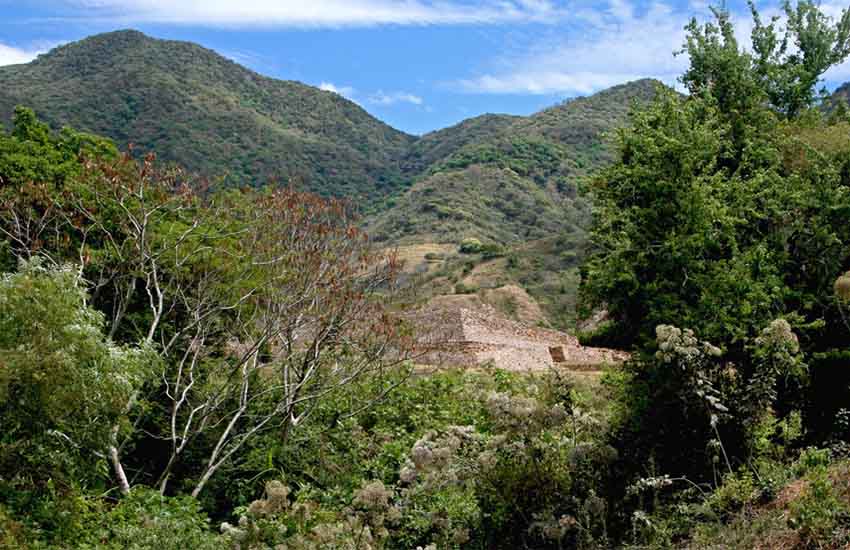
Ruins of the Palacio de Ocomo in Oconahua, Jalisco
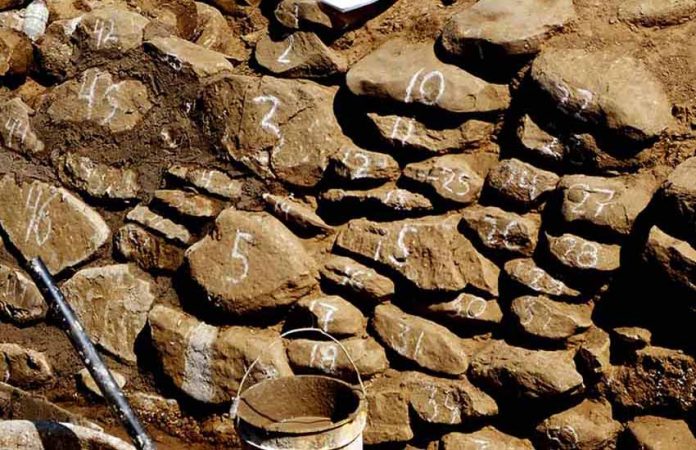
The archaeologists use chalk numbers to remember where each rock of an excavated palace wall goes.

Oconahua is a village hidden away at the western edge of the state of Jalisco. Most of its inhabitants are indigenous people, and Oconahua’s fine tortillas are much appreciated in the region.

Politically, Oconahua might appear to have little importance in modern times, but this was not always the case, say locals. As proof, they’ve always pointed to ruins occupying a big section of the town. “This,” they would say, “is the location of the Palacio de Ocomo [Ocomo Palace].”

When archaeologist Phil Weigand was shown the site in 1958, he was greatly surprised. It appeared to be the remains of a building of monumental proportions, measuring 125 by 125 meters. This ancient building had obviously held great importance for the townspeople, who had been careful never to construct anything on top of it. But what was it?

Weigand speculated that the Palacio de Ocomo might have been a tecpan, a U-shaped building of monumental proportions similar to the Palace of Montezuma buried beneath Mexico City’s zócalo. The Montezuma one was only slightly larger.

Palacio de Ocoma
For centuries, no one but the village of Oconahua’s residents paid attention to this site that rivals the Montezuma palace beneath Mexico City in size.

But all this was pure conjecture. Only by excavating the site could it be determined exactly what lay beneath the surface and what role it played in western Mexico and in local people’s lives.

Digging began in 2009 and is presently in the hands of archaeologists Sean Montgomery Smith Márquez and Samuel Mateo Guadarrama.

“We are now sure that what we have here in Oconahua is clearly part of what we call the Grillo Complex, which covers the period from A.D. 450 to 900 in this part of western Mexico,” Smith told me. “But there was an intermediate period around A.D. 600 [when] the palace was made much bigger. We need to excavate some other spots to get a better idea just what happened around 600.”

“What we have found here in Oconahua,” he added, “is, first of all, the palace, which is enormous and had a great many functions. Then we have what we are calling Residential Unit Number 1, which consists of three buildings around a patio.

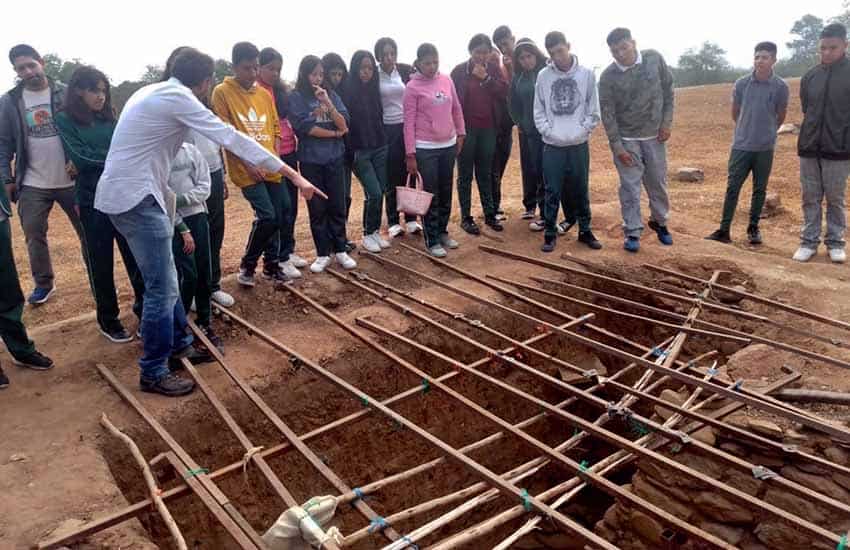
Archaeological demonstration at Palacio Ocoma site, Jalisco
Smith explains the substructure of the Ocomo Palace to local students in Oconahua. S.M. Smith

“Studies carried out by the late Michelle Hernández show that this place was a neighborhood center. All this is surrounded by many small dwellings. So the whole place was well-organized, with a main structure, secondary structures and then outlying houses where most people lived.”

After describing the ruins at Oconahua, Smith related the fascinating story of how the people living there today are discovering a direct connection to their ancestors.

“We must not forget,” he says, “that this archaeological site was once inhabited by people. It was people who put those building blocks in place. There were rituals taking place here. There were songs, and there were dances.”

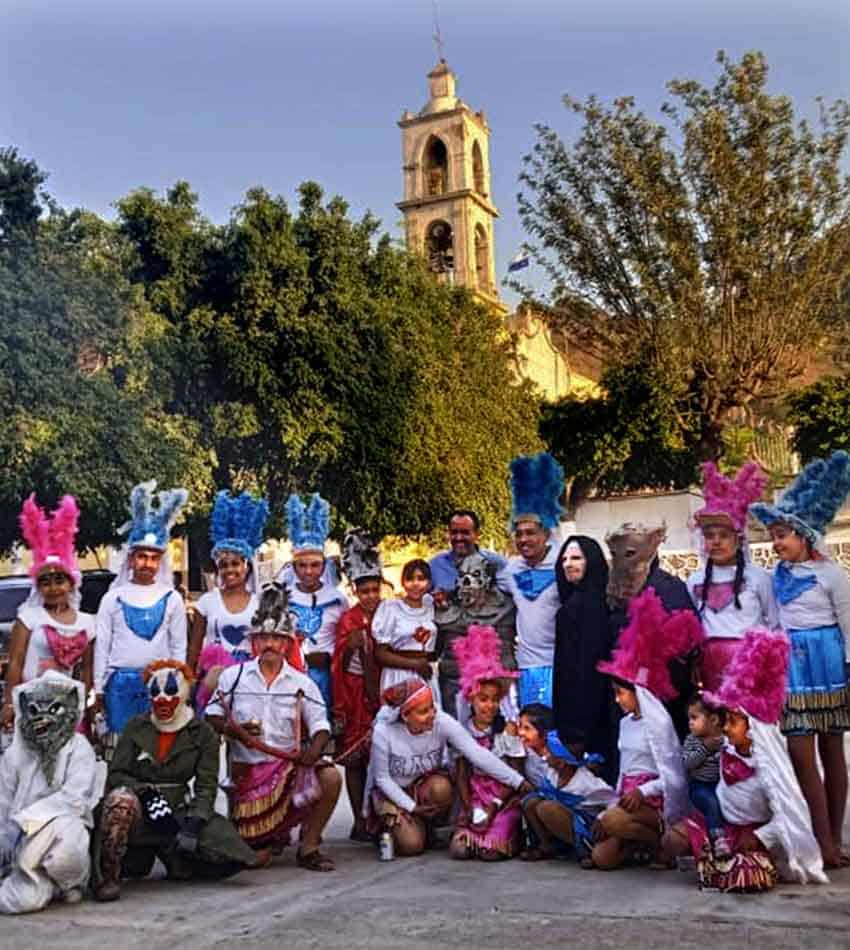
The plazas at Oconahua were designed to hold large numbers of people who gathered together principally for banquets and dances. Since the modern population of Oconahua continues to dance, a project was launched for the purpose of examining the connection between the traditional Oconahua dances of today and the rituals that must have taken place at the Palacio de Ocomo.

dancers in traditional costume in Oconahua, Jalisco
A troupe of dancers, dressed in traditional costumes, gather for a group photo in the center of Oconahua. S.M. Smith

“This kind of project is called community archaeology, and a group of 15 people worked on it, including archaeologists, townspeople and municipal officials,” Smith told me. “It wasn’t something cooked up by us archaeologists, but it was a project of all of us together.”

The group posed questions, did research, made hypotheses and came up with a thesis.

“Together we were able to see the connection between the Oconahua dance and the rituals that must have taken place at the Palacio de Ocomo,” Smith said.

One result of this was the creation of a museum, which was inaugurated on May 22.

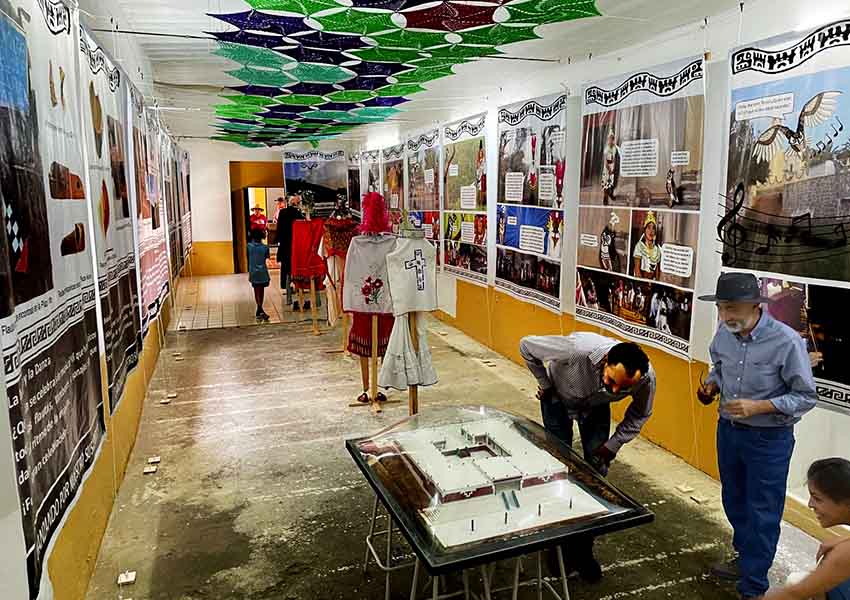
Visitors at Ocomo Palace museum
Visitors at the new museum examine a model of what the Ocomo Palace may have looked like in its day.

“This is not a museum housing archaeological pieces,” Smith points out. “It’s a presentation that we archaeologists created together with the Oconahua dancers: a link between the past and the present.”

This is a museum that focuses on culture rather than objects. Its theme is announced at the entrance to the building: danzando por nuestro sustento  (dancing for our well-being).

The museum’s purpose is to teach the community, and especially the local youth, about the link between the people who built and used the Palacio de Ocomo over 1,000 years ago and the people who live in Oconahua today.

The museum is long and narrow with giant “posters” covering the walls. Down the center are the costumes worn by the dancers to represent the protagonists of the drama. These protagonists include:

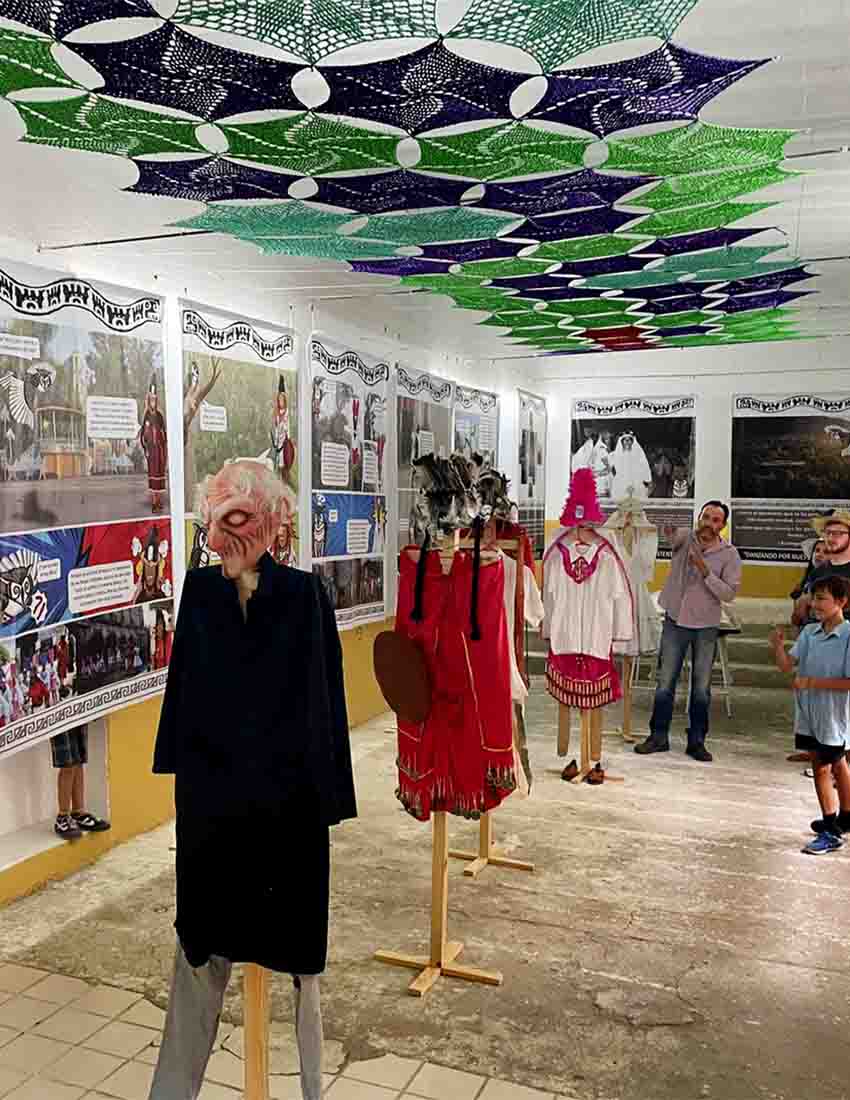
costumes on display at Ocomo Palace museum
Traditional dance costumes are on display at the Ocomo Palace site museum.
  • La Malinche (Hernán Cortés’ interpreter)
  • La Mula (The Mule)
  • Los Nahuales (shapeshifters) or Los Viejos (old men)
  • La Meca and El Meco (hunters trying to catch The Mule)
  • Los Capitanos (The Captains, one wearing blue and one wearing pink. They protect La Malinche)

The “posters” hanging on the walls use comic book art techniques to talk about these characters and how they interact. For this story, the team invented a guide: El Teco — a wise, immortal owl that can move forward and backward in time. He narrates the story.

”Over the years,” said Smith, “the details of these ritual dances were being forgotten by the younger generation, and this museum will remedy this. It will restore communication among the grandparents, parents and children and thus restore oral tradition.“

Smith points out that this type of museum can communicate ideas without a great deal of expense. The posters are mobile and could easily be put on display at the cultural centers of nearby communities.

Archaeologist in Oconahua, Jalisco site
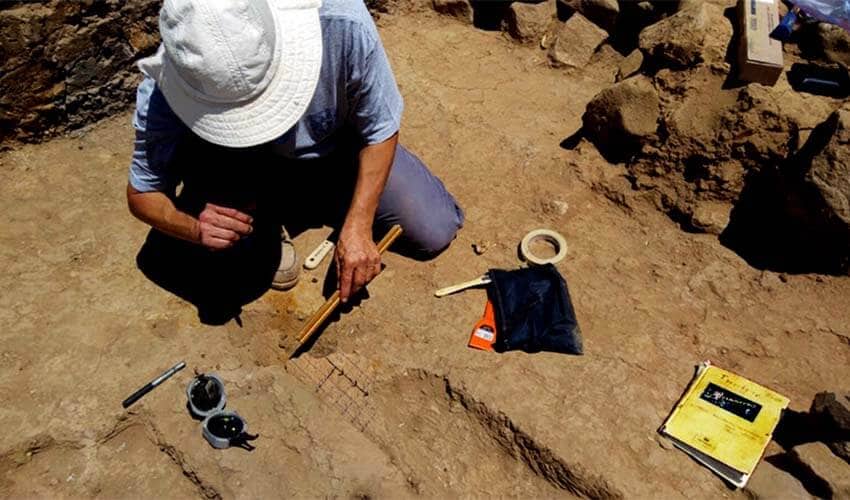
An archaeologist prepares a burnt floor for archaeomagnetic dating.

“This type of project is not unique,” he says. “It’s been done in Oaxaca and, in fact, in other countries, such as Brazil, Egypt, England and Australia.”

School groups have already begun to visit the museum.

“Today we had 110 kids in here,” Smith said. “All around the region, they are learning what these Oconahua dances are all about. And the kids come in and they will say, ‘I saw this dance before, but I never knew what this or that character was all about.’ So now it’s the Oconahua kids who are explaining the details to the other ones.”

On occasion, I have watched indigenous ritual dances, and I am always struck by the seriousness and precision of the dancers. What I didn’t realize was that they were telling a story and that the story itself was representative of deeper themes.

ruins at Oconahua, Jalisco
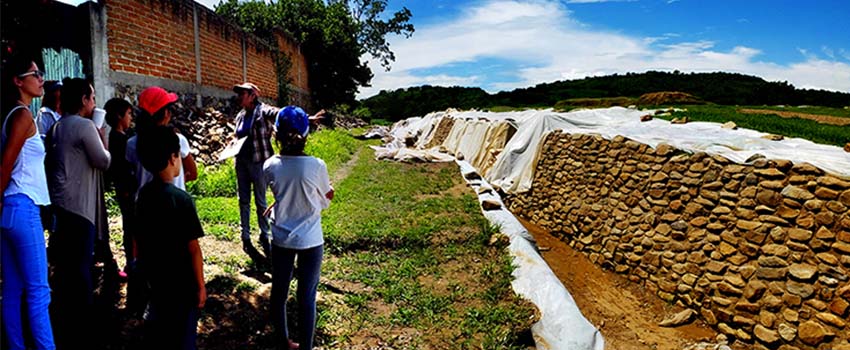
Children visit the ruins under wraps during the rainy season.

Thanks to the Community Museum of Oconahua (and to Teco the Owl’s explanations), I see that the dance is much more than a dance. It is theater. It is part and parcel of humanity’s grand tradition of storytelling, of ballet, of opera, of the Passion Play.

Costumes, dancing and music are combined to tell a story that can be appreciated at a distance by huge crowds of people. It is a visual, physical reinforcement and a complement of oral tradition.

“Oconahua has a history over 2,000 years old,” Smith said. “This pueblo is a cultural paradise.”

The writer has lived near Guadalajara, Jalisco, since 1985. His most recent book is Outdoors in Western Mexico, Volume Three. More of his writing can be found on his blog.

U.S. tourist paralyzed in Cancún pool accident

0
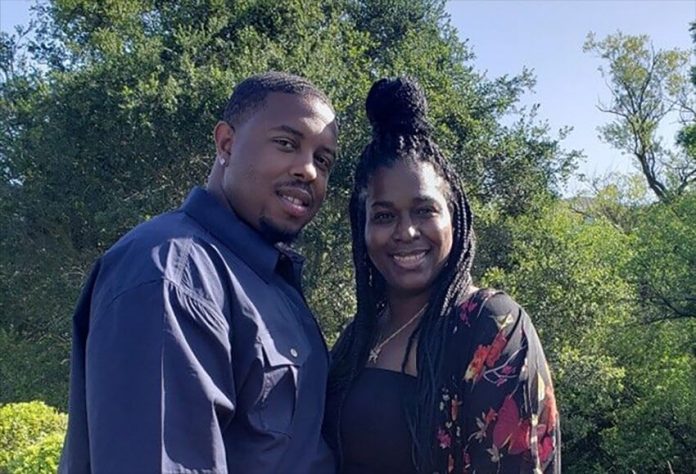
Dante Goodwin and Shay Williams.
Dante Goodwin and Shay Williams. Courtesy of Shay Williams

Dante Goodwin and his girlfriend Shay Williams were vacationing this past week in Cancún when Goodwin suffered an accident that left him with neck and vertebrae injuries causing paralysis in the lower half of his body.

Williams says she didn’t see him go into the pool at their Cancún resort but saw him a few seconds later, floating face down in the water unable to move.  A family member pulled him out of the water, his mouth full of blood, and Goodwin told Williams he couldn’t feel his feet and legs.

Goodwin was rushed to a private hospital and then two days later taken to the Jesús Kumate Rodríguez General hospital in Cancún. Family members immediately flew in from the United States fearing the worst, but over the subsequent days in the hospital Goodwin’s condition stabilized enough that they arranged to have him transported back to the United States.

The Goodwin family set up an online GoFund account - which has now raised over US $28,000 - which they hoped would raise enough money to pay for the cost of the hospital care and the medical transport from one country to the other which was expected to have a price tag of anywhere from $27,000 to $60,000.

Goodwin safely traveled to the Miami Memorial Hospital on Wednesday night, a facility known for its spinal treatment center, and is now recovering.

In a social media post, a family member was highly critical of medical care in Cancún comparing the hospital to being in a horror movie. It is still unknown if Goodwin had any kind of health insurance or whether the hotel will be determined to be financially responsible for what happened.

With reports from Por Esto

US to give temporary work visas to 150,000 migrants in Mexico

0
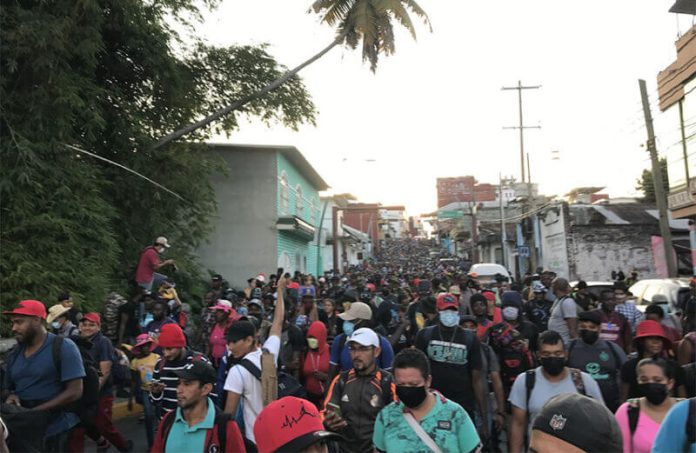
A migrant caravan gets ready to head north from Tapachula, Chiapas, in November 2021.
A migrant caravan gets ready to leave Tapachula, Chiapas. Ben Wein

The United States will issue 150,000 temporary work visas to Mexicans and migrants currently in Mexico, Interior Minister Adán Augusto López Hernández said Wednesday.

An additional 150,000 visas will go to people in Central American countries, López Hernández said during a visit to Tijuana, Baja California. The interior minister said that a formal announcement about the temporary work scheme will be made during President López Obrador’s visit to the White House next month.

López Obrador has long been pushing for the United States to offer temporary work visas to Central Americans in order to stem illegal migration to the U.S. López Hernández said that the federal government speaks to its U.S. counterpart about migration issues every day.

“Now the president is going to Washington next month and an announcement will be made. The American government agreed to give … 300,000 temporary work visas – 150,000 will be for Mexicans or foreigners who are in Mexico today waiting for the possibility to migrate north,” he said during a meeting with Baja California business leaders.

Huge numbers of migrants from Central America, Caribbean countries such as Haiti and Cuba, South America and even African and Asian nations have entered Mexico in recent years to travel to the northern border in order to seek asylum in the United States or enter that country between official crossing points. Many have found themselves stranded here for months or longer.

López Hernández claimed that the United States’ issuance of temporary work visas “will help us to reduce tension” among migrants stuck in Mexico, many of whom live in dangerous border cities such as Tijuana and Reynosa, Tamaulipas.

He acknowledged that a lot of Mexicans are also forced to migrate due to poverty and a lack of opportunities in their places of origin. “Mexicans and Central Americans don’t migrate for pleasure, they migrate due to necessity,” the minister said.

With reports from Reforma 

Climber killed while in restricted area on volcano El Popo

0
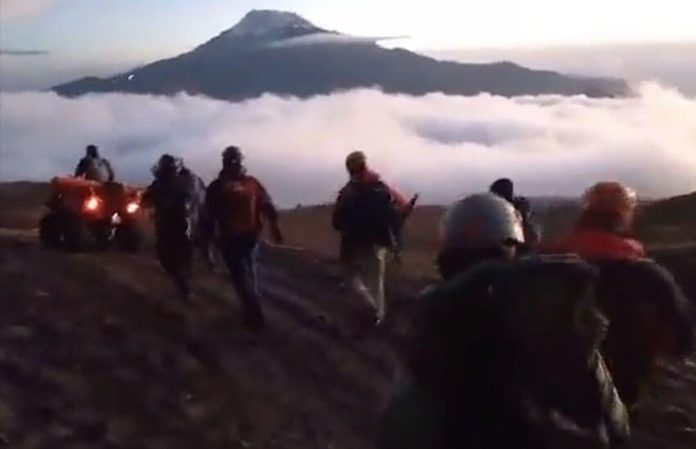
Rescuers and climbers descend Popocatépetl in the early morning after the deadly accident, with Iztaccíhuatl volcano in the background.
Rescuers and climbers descend Popocatépetl in the early morning after the deadly accident, with Iztaccíhuatl volcano in the background. Facebook / Volcan Popocatepetl

One person died and another was seriously injured after five climbers from México state tried to climb to the top of the Popocatépetl volcano on Wednesday.

According to Ana Lucía Hill Mayoral of the Interior Ministry (Segob), the group started out on Wednesday afternoon from the Paso de Cortés in the state of Puebla, a stretch of land between Popocatépetl and its dormant neighbor the volcano Iztaccíhuatl. The group was apparently originally accompanied by a local tour guide who left them at some point during their trek up the volcano as they edged closer to the peak of Popocatépetl, considered dangerous and off-limits to hikers and climbers.

The group had been climbing without the knowledge of local authorities, but radioed in at some point Wednesday evening to inform the México state police that they were at the top of the volcano, which had begun to erupt. They reported that two of members of their group had been injured, and that they feared for their lives.

Search parties were sent out as soon as authorities were alerted, but rescue efforts were complicated by the fact that the climbers were stranded in a 50-meter-deep gully and at an altitude of almost 5,000 meters above sea level. Inclement weather including rain and snow overnight on Thursday also made the rescue slow and difficult.

In a video from Webcams de México, the rescue team’s lamps can be seen descending the volcano.

Popocatépetl is North America’s second highest volcano at almost 5,500 meters above sea level. It is considered one of the most dangerous volcanoes in the world thanks to its close proximity to the more than 20 million people in Mexico City’s metropolitan area, and a history of devastating eruptions during its long lifetime. It is also one of the country’s and the continent’s most active volcanoes, spewing smoke and volcanic rock on a regular basis.

Some of that volcanic rock is believed to be what killed the female climber in the group when she was hit with debris as the volcano erupted during their climb. Another climber found by the search parties had been seriously injured with a broken femur and broken ribs by a tool that had punctured his body. He was rushed to the hospital in critical condition. The other members of the group have so far been reported as uninjured.

With reports from El Sol de Puebla and Mi Morelia

AMLO’s position on Americas Summit cements LatAm solidarity against US influence

0
President López Obrador in Guatemala
President López Obrador in Guatemala during a tour of Central America and the Caribbean.

In 2010, Cuba’s former president Fidel Castro said: “López Obrador will be the person with the most moral and political authority in Mexico when the system collapses and, with it, the empire.” He was referring to Andrés Manuel López Obrador (known as AMLO), president of Mexico and head of the Morena (National Regeneration Movement) political party.

Despite the wide lead he had in all the polls before the elections, López Obrador’s victory in 2018 took almost everyone by surprise. Even the Morena militants remained doubtful for some days, since the dynamics of electoral fraud in Mexican politics had made defeat seem inevitable.

Few of us knew what to expect from Mexico’s new government since AMLO is the first leftist president in our country’s modern political history. The first two years of his term were marked by the absence of any concrete foreign policy, at least publicly.

The theory that the best foreign policy is domestic policy led President López Obrador to concentrate his efforts on trying to solve the larger problems being faced by the Mexican people, as well as dealing with former U.S. president Donald Trump’s aggressive anti-immigration policy that was mainly directed toward the Mexican migrant population entering and already in the United States.

The only noteworthy Mexican public diplomacy initiative undertaken by López Obrador during the first three years of his six-year term was to advocate for the Comprehensive Development Plan for Central America. This plan was developed by El Salvador, Guatemala, Honduras, Mexico and the United Nations Economic Commission for Latin America and the Caribbean (ECLAC). President López Obrador’s government began working on the plan from the day he took office.

The initiative addressed both issues, the attacks faced by migrants from Central America in the United States and the real needs of the people who are compelled to migrate to other countries from the region. The structural causes of migration—poverty, inequality and insecurity — framed the discussion by the stakeholders who worked on finalizing the initiative. The plan challenged the U.S. border security doctrine, which treats socioeconomic problems as military problems.

The triumph of Morena in one of Latin America’s largest countries opened a cycle of hope among progressive forces in the region; Latin American leaders and intellectuals have spoken of Mexico as the epicenter of the new progressive wave in the hemisphere. But Morena’s triumph was met by three complexities. First, the difficulties being faced by López Obrador as he has tried to lay the foundations for national development and address the glaring inequalities in the country (10% of Mexicans hold 79% of its wealth); this included a national project to end inequality and discrimination, which would be funded by the revitalization of the oil industry, the nationalization of lithium, and the implementation of various infrastructural works.

Second, because the pandemic accelerated the process of the neoliberal crisis at a global level, including in Mexico, López Obrador has spoken about the need to “end” neoliberalism by 2022 in the country. Third, there has been a renewed aggression by the United States through its blockades and sanctions campaigns against several Latin American countries, including Cuba, Nicaragua and Venezuela. López Obrador’s fourth transformation (4T), which is the name of his political project — referring “to a moment of change in the political system” — has led to disputes with the U.S. government and U.S.-controlled institutions (including the Organization of American States). This is what gradually drew Mexico’s government into a more prominent role in the Americas.

The Joe Biden administration was unable to persuade López Obrador to attend the Los Angeles meeting.

The increase in López Obrador’s activity relating to international diplomacy has been gradual and well-calculated. López Obrador gradually introduced some of these foreign policy matters into the arena of national political debate before he tested the waters in the region with them. Each morning he holds a press conference, where many of these ideas are first introduced. López Obrador’s commitment to building a revolution of conscience has transformed Mexican diplomacy into a public phenomenon.

Before López Obrador, foreign policy matters were discussed behind closed doors. Now, López Obrador uses his press conference to provide the public with the historical and political reasons for Mexico’s position on, for instance, the U.S. blockade of Cuba and its economic war against Venezuela, the violent anti-immigrant policy of the United States and the war between Russia and Ukraine. Because López Obrador has tried to explain the reasons for the diplomatic decisions taken by Mexico regarding various global matters, it has helped build a consensus among large sections of the population for these decisions, including the most recent decision taken by him to not attend the Summit of the Americas.

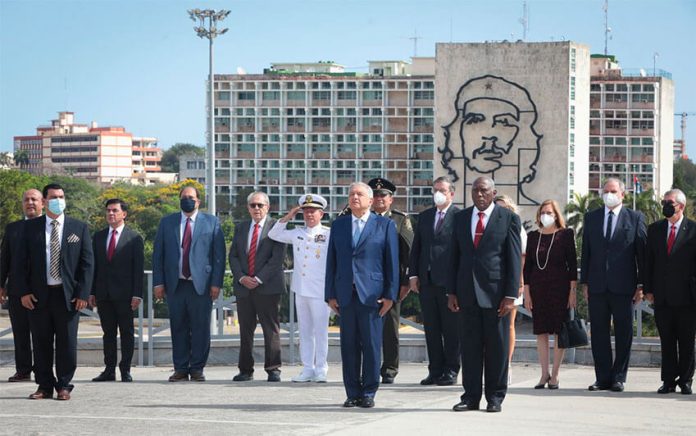
United States President Joe Biden announced in January that the United States and the Organization of American States (OAS) would host the Summit of the Americas in Los Angeles from June 6 to June 10. López Obrador toured Central America and the Caribbean, which ended in Cuba, before the summit. During the tour, López Obrador developed Mexico’s position on the summit.

This viewpoint was also apparent earlier when Mexico hosted the Community of Latin American and Caribbean States (CELAC) summit in September 2021, where Cuba, Nicaragua and Venezuela were able to participate — unlike during the Summit of the Americas where these countries were banned from attending the event. At that 2021 summit, López Obrador proposed to shut down the OAS and replace it with “a block like the European Union,” such as CELAC.

Before the Summit of the Americas began, López Obrador announced that Mexico would not attend it because of two principles of Mexican foreign policy: First, the United States’ decision to not invite Cuba, Nicaragua and Venezuela violated the principle of non-intervention in the internal affairs of other countries. Second, the principle of legal equality of all countries should allow all people to be represented at the international level through their governments. López Obrador’s decision to withdraw from the summit surprised both Washington and Latin American capitals; his decision was followed by both Bolivia and Honduras and was backed up by countries such as Argentina.

Biden, U.S. Secretary of State Antony Blinken and U.S. Ambassador to Mexico Ken Salazar, meanwhile, tried to negotiate to ensure the presence of the Mexican president at the summit, but without any success. The hegemony of the OAS had begun to decline after the CELAC summit in 2021 but seems to have reached its end with these latest developments during the Summit of the Americas in Los Angeles.

But the more important outcome of the summit was the reaction of the different Latin American leaders who joined Mexico’s show of dignity and displayed the strength of popular power and assumed positions of support for a new form of regional organization, which does not require the support of the United States. The general mood in Latin America is that the U.S. should not waste its time interfering south of its border but should, instead, spend its energy trying to resolve its cascading internal crises.

This article was produced by Globetrotter. Rodrigo Guillot works in the International Department of the Instituto Nacional de Formación Política (INFP), the political education institute of Mexico’s Morena. He is a student at the National Autonomous University of Mexico in Mexico City. Find him on Twitter @RodrigoGuillot.

Central bank raises interest rate to 7.7%, biggest increase since 2008

0
Mexican pesos
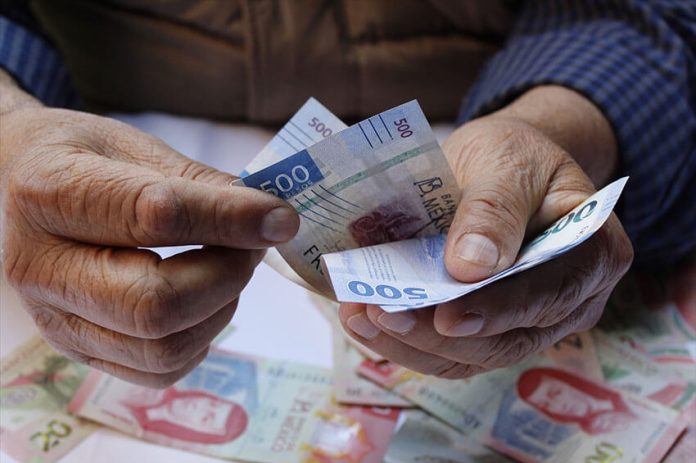
Steady remittances from the U.S. and nearshoring have been highlighted as some of the reasons for the currency's appreciation against the U.S. dollar. (Stock image)

The central bank has raised its benchmark interest rate by 75 basis points to 7.75%, the highest level since late 2019.

It was the first time since the introduction of a new monetary policy regime in 2008 that the Bank of México (Banxico) lifted its key rate by three-quarters of a percentage point. The decision, made at the governing board’s meeting on Thursday, followed 0.5% hikes at each of the previous four meetings. Banxico has now lifted rates at nine consecutive meetings.

In a statement, the bank noted that in the first half of June, headline and core inflation reached 7.88% and 7.47%, respectively, “remaining at elevated levels unseen in two decades.”

In addition to inflationary shocks stemming from the pandemic, Banxico said there were inflationary pressures associated with Russia’s invasion of Ukraine and strict lockdown measures imposed by China to slow the spread of the coronavirus.

In consideration of “the magnitude and diversity of the shocks that have affected inflation” and “the increasing challenges for monetary policy stemming from the ongoing tightening of global financial conditions,” among other factors, the board decided unanimously to raise the target for the overnight interbank rate by 75 basis points.

The bank said the board intends to continue raising the reference rate, foreshadowing another 0.75% hike if required by economic conditions.

Janneth Quiroz, deputy director of economic analysis at the Monex financial group, and Adrián Muñiz, who holds the same position at the brokerage firm Vector, both said that another 0.75% hike rate, or even a 100-basis-point one, is not out of the question in the near future. The bank’s future decisions will depend on inflation levels and monetary policy in the United States, they said.

The central bank predicted that headline inflation, which doesn’t strip out volatile food and energy prices, will increase to 8.1% in the third quarter before falling to 7.5% in Q4. It forecasts further declines in all four quarters of next year, with an anticipated headline rate of 3.2% at the end of next year and 3.1% in Q2 of 2024. Banxico targets 3% annual inflation with tolerance of 1% in both directions

With reports from Reforma and El Universal 

Nuevo Vallarta is now Nuevo Nayarit, but not everyone is happy

0
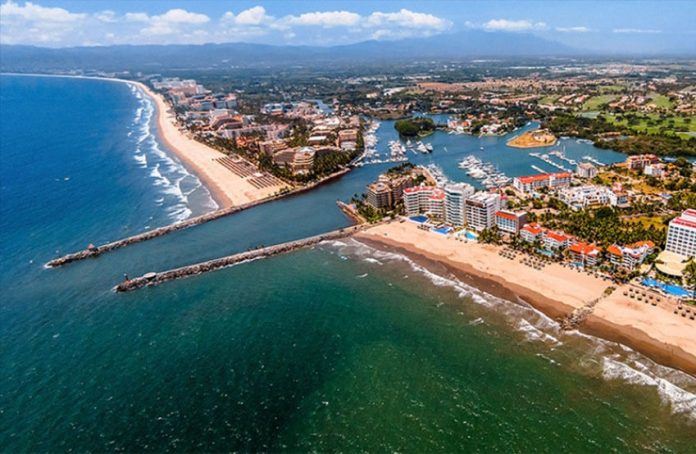
An aerial view of Nuevo Nayarit, which came in No. 2 for highest hotel occupancy in Mexico.
Nuevo Nayarit (formerly Nuevo Vallarta) came in No. 2 for highest hotel occupancy in Mexico. (File photo)

Planning a trip to Nuevo Vallarta, the popular tourist development just north of Puerto Vallarta?

Not anymore you’re not.

The name of the tailored enclave known for its luxury accommodations, golf courses, marina and long, sandy beach — was officially changed to Nuevo Nayarit in a vote this week by the local municipal council.

The new name makes sense to some, since the development is in the state of Nayarit, across the Río Ameca from Puerto Vallarta, Jalisco, and is the southernmost part of the 300-kilometer stretch of coastline that for 15 years has been branded as the Riviera Nayarit.

In fact, the governor of Nayarit, Miguel Ángel Navarro Quintero, has been the No. 1 proponent of the renaming since he announced it out of left field in early January. “We are no longer determined to promote a municipality in the neighboring state, but rather our own municipalities and our own state,” he declared at the time.

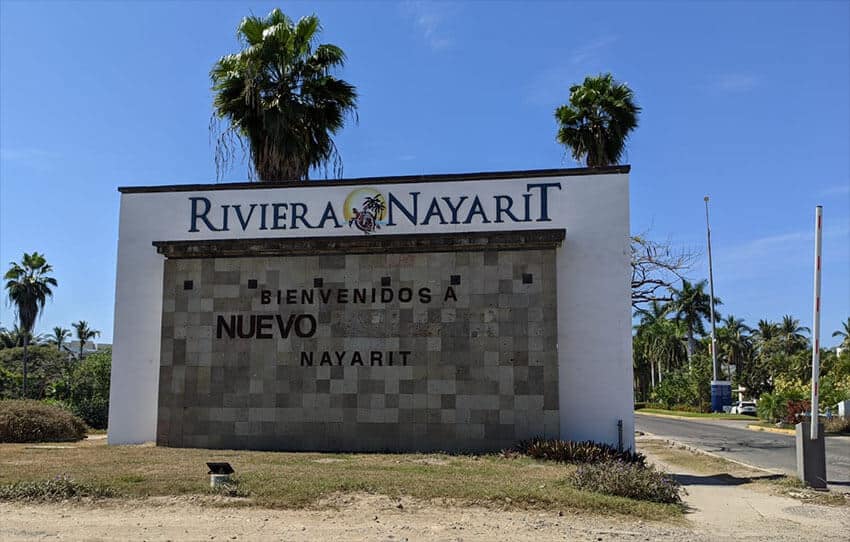
Shortly thereafter, a huge sign welcoming people to the area was changed to “Bienvenidos a Nuevo Nayarit.”

But numerous business people, residents, property owners and members of the tourist industry and chamber of commerce are up in arms for a handful of reasons. Many, for example, like how the name Nuevo Vallarta created a marketable twinning with Puerto Vallarta.

Moreover, some accused the governor of strong-arming the mayor and members of the Bahía de Banderas municipal council into voting for the change.

One local welcome sign was changed from "Welcome to Nuevo Vallarta" to "Welcome to Nuevo Nayarit," shortly after the governor proposed the name change in January.
One local sign was changed from “Welcome to Nuevo Vallarta” to “Welcome to Nuevo Nayarit,” shortly after the governor proposed the name change in January. Vallarta Independiente

The 14-member council of the municipality, which includes the newly-named Nuevo Nayarit, approved the new name at its June 21 meeting by simple majority.

That meeting turned into something of a circus, with opponents of the name change trying in vain to voice their opinions. After an hour of rigmarole and threats that the meeting would be suspended, a vote was finally taken.

The newspaper Tribuna de la Bahía reported that opponents of the Nuevo Nayarit name confronted the municipal council for “not listening to them and changing the name of Nuevo Vallarta just by raising their hands.” At one point, the session was interrupted by citizens who wanted to present all of the economic and legal implications of the name change — so the council members could cast an informed vote.

Nuevo Vallarta has been sold as a tourist brand alongside Puerto Vallarta for nearly four decades. José Ludwig Estrada Virgen, a longtime but now retired tourism director for Puerto Vallarta, said he regretted the name change, as it will undermine joint promotion efforts and will have repercussions for the region.

Afterward, Daniela Ramírez, a resident in the area, accused the elected officials of going against the will of the people and succumbing to “political whims.” 

“If they are listening to the people, then they do not change that name,” she said. “We are going to go forward with lawsuits and injunctions.”

The newspaper Vallarta Independiente reported that mayor of Bahía de Banderas, Mirtha Villalvazo Amaya, said she did not want to change the name when queried in January, right after the governor’s  announcement had taken everybody by surprise. She told reporters, “in an annoyed tone,” that his decision was made hastily and without consulting her, business people, those who promote tourism in the region and residents. However, this week she had changed her tune and said it was a good thing for Bahía, and she voted for the change at the meeting.

Milton Colmenares wrote in the Vallarta Independiente: “Sitting well with the governor has become a priority, even though this means trampling on the voice of the citizenry.”

Council member María del Carmen Arreola told the newspaper Meridiano: “For us who live in this place, it is vitally important to have our own identity. It is time to emancipate ourselves with a vision based on what the region represents in tourism, economic and visionary matters. The neighboring municipality of Puerto Vallarta is always recognized for what it contributed to this destination … I know that it is the right time to enhance the Nuevo Nayarit brand, and I join the effort to have its own identity.”

With reports from Vallarta Independiente, Tribuna de la Bahía and Meridiano

COVID case tally soars to over 91,000, an increase of 178% in two weeks

0
facemask
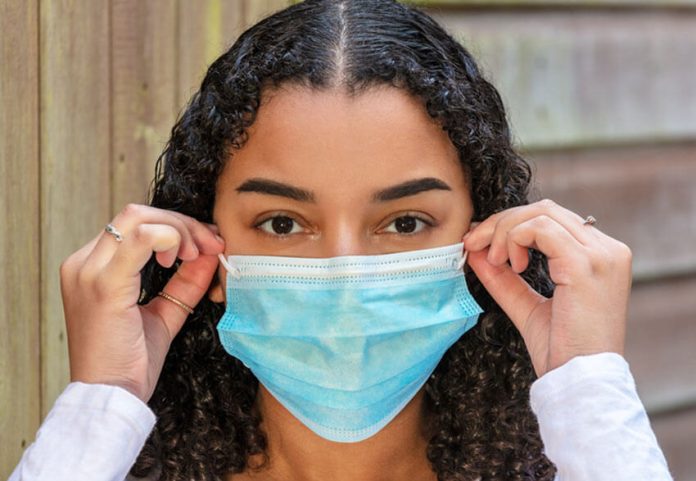
Face mask mandates are back in some states as the fifth wave gains strength. deposit photos

Active coronavirus cases have almost tripled in the last two weeks as Mexico’s fifth wave of infections continues to worsen.

The estimated active case tally rose to 91,559 on Thursday, an increase of 178% compared to the June 9 count of 32,957.

Baja California Sur has the highest number of active cases per 100,000 people with over 300. Mexico City, which also has more than 300, is a close second followed by Quintana Roo, where there are over 200 active infections per 100,000 people. Sinaloa and Yucatán round out the top five with over 150 active cases per 100,000 residents.

The Health Ministry reported 16,133 new cases on Thursday, the highest single-day tally since late February. Mexico’s accumulated case tally stands at 5.92 million while the official COVID-19 death toll is 325,511 after 24 additional fatalities were reported Thursday.

The recent rise in case numbers hasn’t exerted any significant pressure on the health system. Just 5% of general care beds set aside for COVID patients are currently occupied while only 1% of those with ventilators are in use.

Francisco Moreno, an infectious disease and internal medicine doctor at the ABC Medical Center in Mexico City, said Thursday that the fifth wave could last until late July. Daily case numbers will likely start to come down in August, he said. In an interview with the newspaper El Financiero, Moreno warned that case numbers could spike again in winter, when viruses tend to spread more easily. He advised people with COVID to isolate for at least 10 days.

“If you feel sick don’t go to work. … If you live with someone who is vulnerable, don’t … [go near them] for 10 days,” Moreno said.

Authorities in some states, including Baja California Sur, Nayarit, San Luis Potosí and Tamaulipas, have decided to end the school year earlier than scheduled due to the recent increase in case numbers.

Meanwhile, some states have reintroduced mask mandates. Authorities in Durango and San Luis Potosí have reintroduced mask mandates for all public spaces, while the Puebla government has once again made the use of masks mandatory in enclosed public spaces. Authorities in some other states, including those in Guanajuato and Querétaro, have recommended that citizens once again use face masks due to the recent spike in infections.

With reports from El Financiero, El Economista and Animal Político