Three presidential debates will be held before voters go to the polls on June 2 to elect a successor to Andrés Manuel López Obrador.
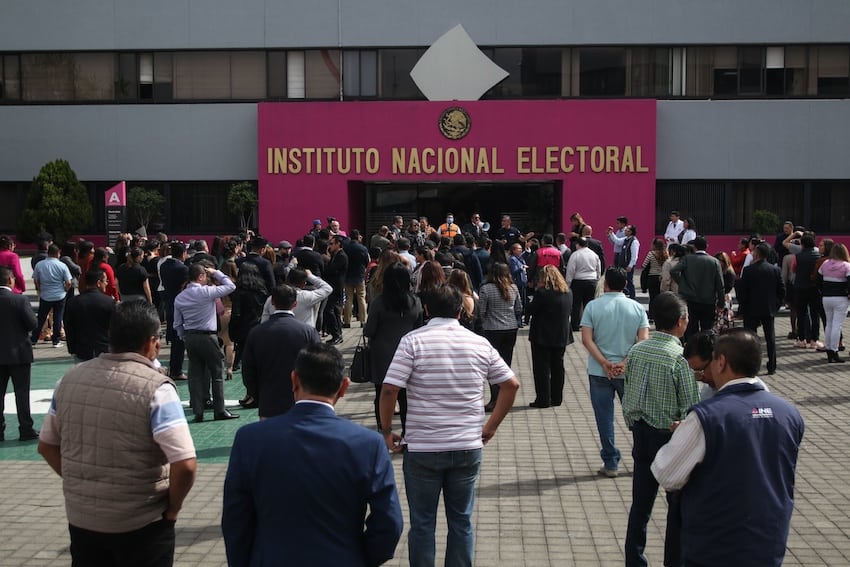
All three debates will be held in Mexico City, according to a proposal that was presented to the INE’s General Council by the election agency’s debates committee earlier this week and approved on Thursday.
The first debate will be held April 7, the second will take place April 28 and the third will be staged May 19. Each debate will be held at a different venue in the capital, with the first to be staged at INE headquarters.
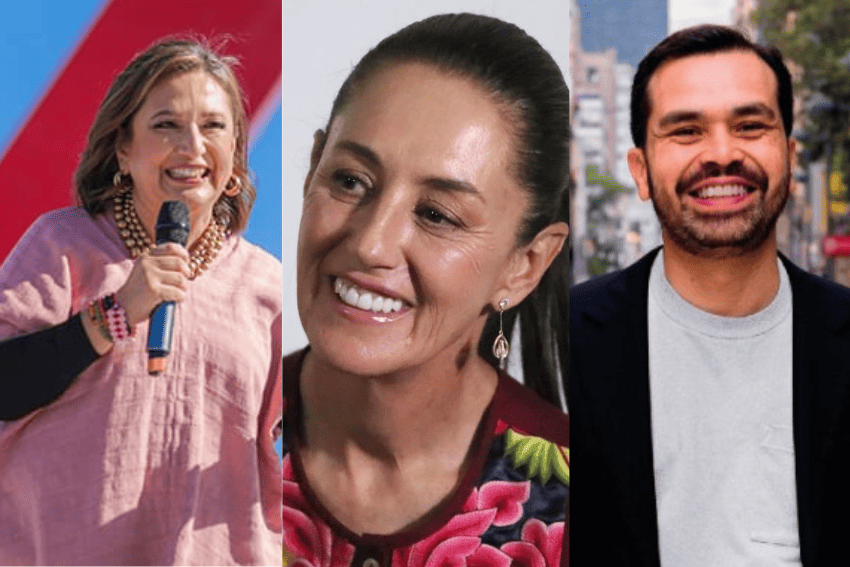
The INE General Council determined that the three presidential candidates — Claudia Sheinbaum, Xóchitl Gálvez and Jorge Álvarez Máynez — must attend all three debates, which will be shown live on free-to-air television.
Each debate will have a central theme: “The Society We Want” in the first debate; “The Route Toward the Development of Mexico” in the second; and “Democracy and Government: Constructive Dialogues” in the third.
Among the topics set to be considered at the three debates are health; education; the fight against corruption; the economy; infrastructure and development; poverty and inequality; climate change; insecurity; migration; and foreign policy.
The three candidates will face questions submitted by the public in the first and second debates.

Gálvez, the candidate for an opposition alliance made up of the National Action Party, the Institutional Revolutionary Party and the Democratic Revolution Party, was critical of the decision to hold all three debates in Mexico City.
“I’m concerned that all the debates are in Mexico City, as if the south and north of the country didn’t exist,” she said Wednesday.
In 2018, just one debate was held in Mexico City, while the other two took place in Tijuana and Mérida.
Álvarez, a federal lawmaker who was announced as the Citizens Movement party candidate last week, proposed holding one debate per week during the three-month presidential campaign for a total of 13 debates.
“More debates will guarantee a better election,” he wrote on social media.
Sheinbaum, the candidate for an alliance made up of the ruling Morena party, the Labor Party and the Ecological Green Party of Mexico, is the clear favorite to win the June 2 election, according to poll results.
Gerardo Fernández Noroña, who competed against Sheinbaum for the Morena nomination and is now a member of her campaign team, predicted that the former Mexico City mayor will “thrash” Gálvez in the debates.
He also asserted that the Mexican people have already decided that the so-called “fourth transformation” of Mexico initiated by President López Obrador “must continue.”
With reports from El Universal, Expansión, El País and Reforma