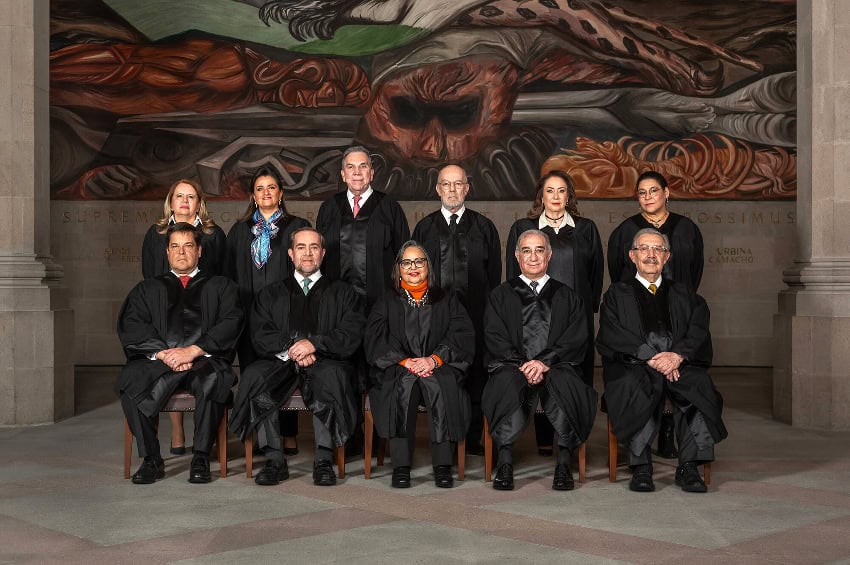
Supreme Court (SCJN) justices will stop work to protest the federal government’s judicial reform proposal, joining employees of Mexico’s highest court who have already gone on strike.
The SCJN said in a statement on Tuesday that eight justices voted in favor of suspending activities, while three opposed the move.
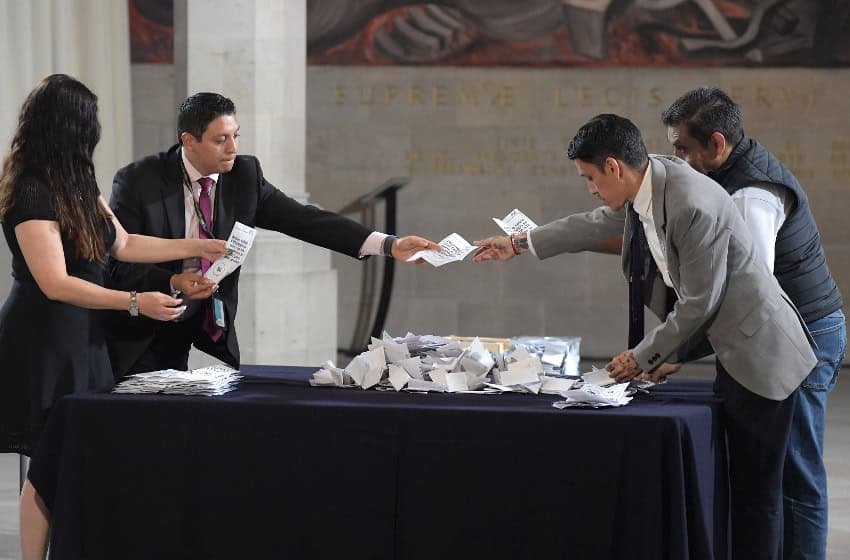
Court sessions scheduled for Wednesday and Thursday have been suspended, the statement said, adding that the justices “will assess the prevailing situation” next Monday.
The statement also said that the justices agreed to attend to “urgent matters” during their suspension of activities. Nevertheless, their decision to stop work will cause an “operational paralysis” in the SCJN, the Milenio newspaper reported.
The three justices who voted against stopping work — Yasmín Esquivel Mossa, Loretta Ortiz Ahlf and Lenia Batres Guadarrama — were all appointed by President Andrés Manuel López Obrador, who sent the judicial reform proposal to Congress in February and argues that the country’s judiciary is corrupt and needs renewal.
Esquivel, Ortiz and Batres said in a separate statement that they “vigorously” opposed going on strike.
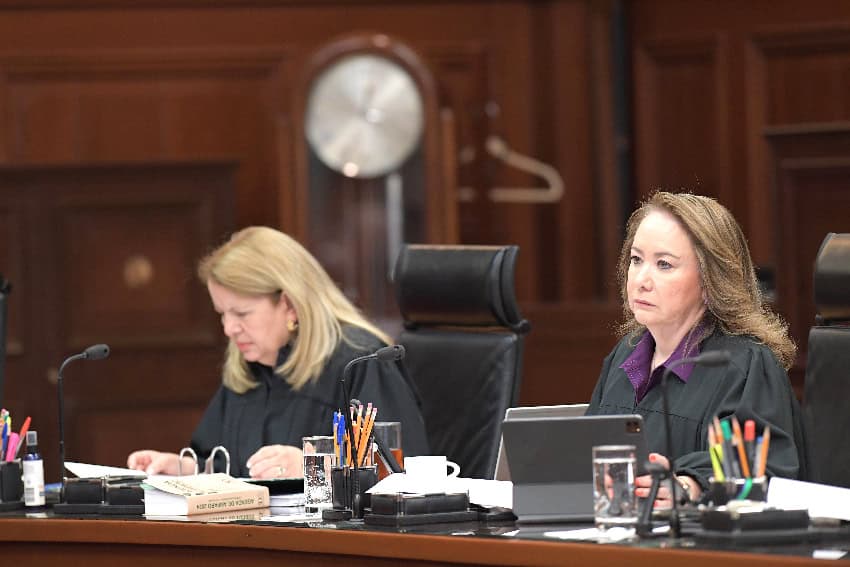
“It’s our constitutional responsibility to exercise our roles as justices and provide the public service of the delivery of justice,” they said.

Esquivel, Ortiz and Batres said they intended to continue working remotely.
Court workers across Mexico have stopped work to protest the judicial reform proposal in recent weeks.
On Monday, the vast majority of more than 1,000 SCJN employees present at a meeting voted in favor of job action. The court employs a total of 3,647 workers.
Critics of the constitutional bill — which would allow citizens to directly elect Supreme Court justices and other judges — assert that its approval would undermine the independence of the judiciary.
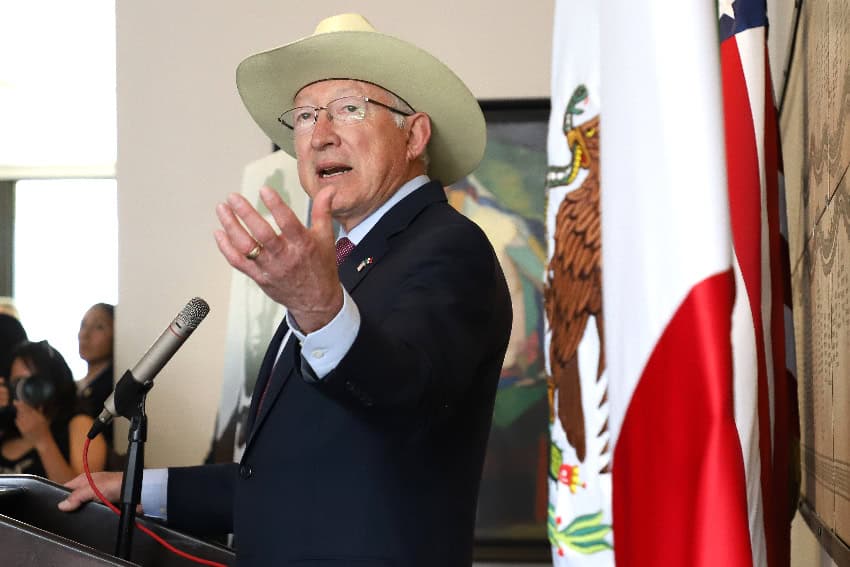
United States Ambassador to Mexico Ken Salazar earned a rebuke from López Obrador late last month after asserting that the “popular direct election of judges is a major risk to the functioning of Mexico’s democracy.”
Salazar also claimed that “the debate over the direct election of judges … as well as the fierce politics if the elections for judges in 2025 and 2027 were to be approved, will threaten the historic trade relationship we have built, which relies on investors’ confidence in Mexico’s legal framework.”
He made similar remarks at a press conference on Tuesday, saying that the reform could cause “a lot of damage” to the Mexico-U.S. relationship “if it’s not done well.”
“… I’m saying this because of all the concerns that are reaching me from people who truly want the best for Mexico and the United States. What I can say is that there is a great deal of concern,” Salazar said.
New York-based investment bank Morgan Stanley downgraded its investment outlook for Mexico due to concern over the proposal, while Canadian Ambassador to Mexico Graeme Clark said that investors from his country were also worried.
On Tuesday morning, hundreds of court workers blocked access to the lower house of federal Congress as they sought to prevent lawmakers from discussing the government’s judicial reform proposal.
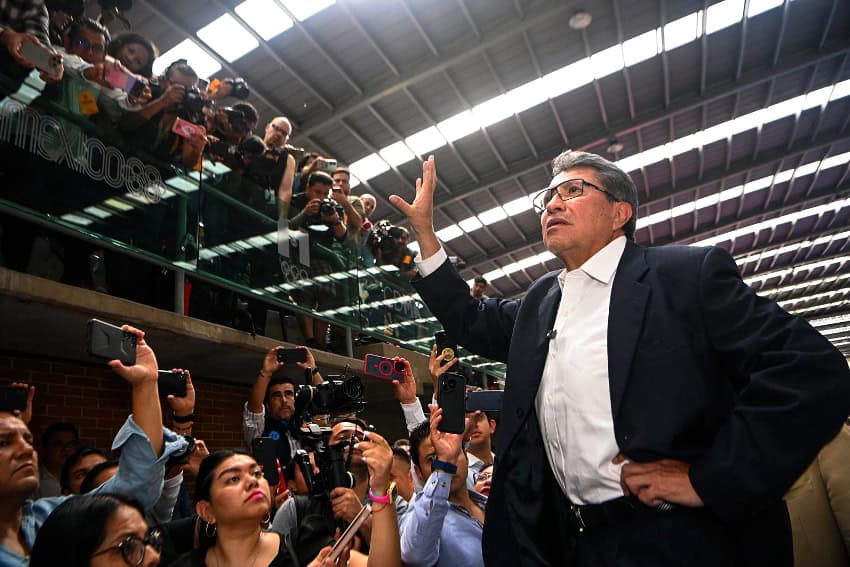
However, the ruling Morena party organized the transfer of the legislative session to a recreational center in the Iztacalco borough of Mexico City. The session was scheduled to commence at 4 p.m. Mexico City time, with a vote on the constitutional bill expected sometime in the late afternoon or on Tuesday night.
As of Sept. 1, Morena and its allies have a two-thirds majority in the Chamber of Deputies, allowing them to approve constitutional reforms without support from opposition lawmakers.
The Morena-led coalition is just one vote short of a supermajority in the Senate, putting it in a strong position to approve the judicial reform proposal in the upper house as well.
Constitutional reforms must also be ratified by at least 17 of Mexico’s state legislatures — a requirement that shouldn’t be an obstacle for Morena given that the ruling party and its allies have majorities in the congresses of more than 20 states.
With reports from Milenio, Animal Político, El Universal and Reforma