
We recently reported that Travel + Leisure highlighted Mexico City, Tamarindo and Tecate in its annual World’s Best Awards, and the reaction was exactly what you would expect: flattering headlines and municipal pride. That sort of shoutout usually produces more searches and bookings in the short term, but it also raises a less glamorous, more important question for local leaders and community groups.
Can this burst of attention be shaped into lasting benefits for residents, or will it simply amplify existing pressures on housing, services and fragile environments?
What does this media attention mean for the sustainable tourism outlook?
In the days after the mention, public indicators registered a clear bump. Google Trends logged higher search interest for all three places, flight-search engines showed spikes in queries and short-term rental trackers reported increased listings and rising nightly rates. Those are the predictable, fast and visible effects of international exposure. Turning that attention into durable improvements in people’s lives, though, takes work. Fortunately, it is the kind of work that sustainable tourism is meant to make routine rather than optional.
Sustainable tourism is not a feel-good marketing line. Practically speaking, it means making sure visitor spending supports local jobs and businesses, that cultural and natural assets are protected and that growth does not displace residents or overwhelm basic services. How that plays out depends on the place, which now means Mexico City, Tamarindo and Tecate face three very different tests.
Mexico City
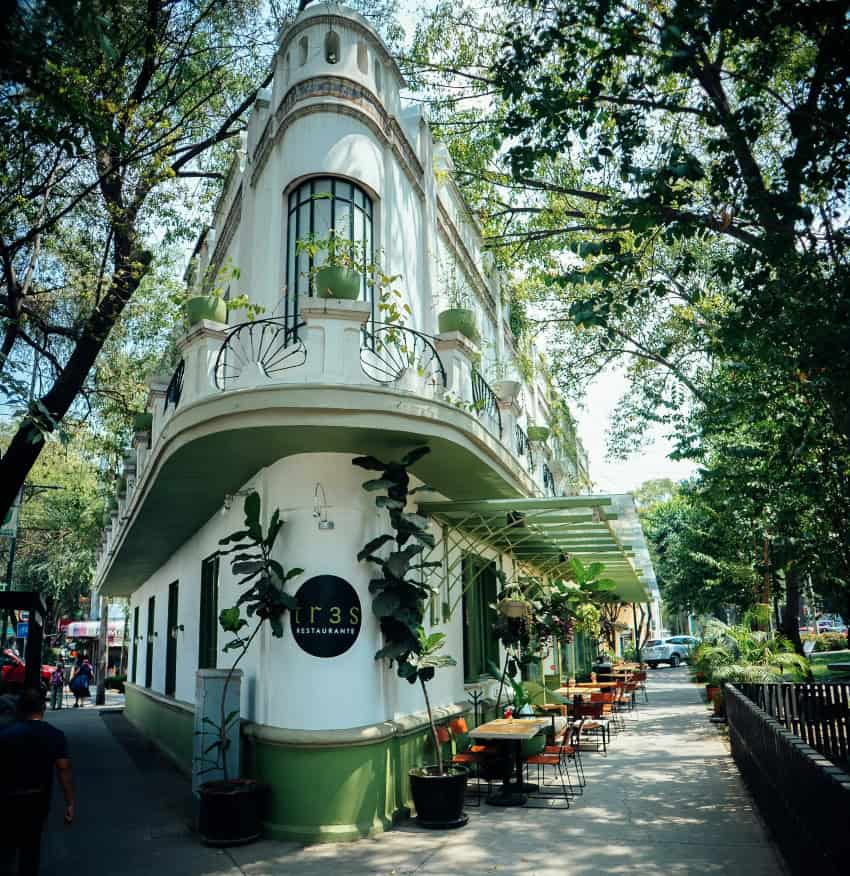
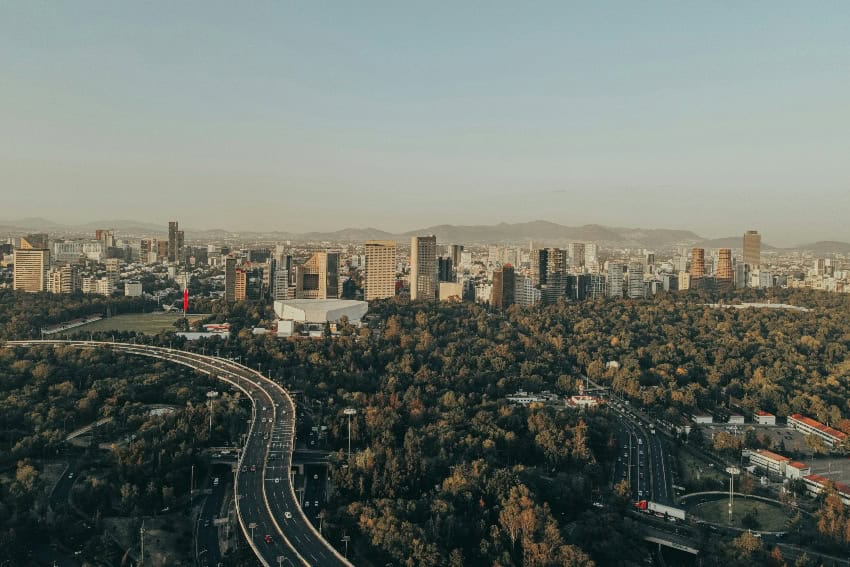
In Mexico City, the pressure is granular, showing up on specific streets and in particular barrios. The city already handles millions of visitors, but the pain points crop up where short-term rentals have converted family housing into visitor units and where nightlife economies push up rents and change the retail mix. Several boroughs have experimented with licensing and permitting for transient rentals and stricter rules around commercial nightlife, but enforcement is inconsistent.
What the city needs are clearer, consistently enforced registries for short-term units and mechanisms that send tourism revenues back into neighborhood infrastructure. Think better public transport links, sanitation and cultural programming that keep communities livable. Without those steps, each new wave of tourists risks making the barrios that attract them less affordable and less authentic.
Tamarindo

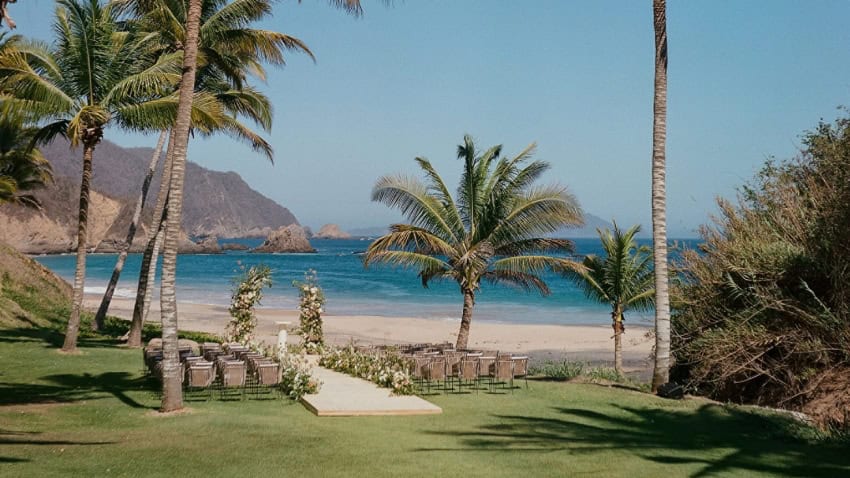
Tamarindo, the Costalegre coast surf town, faces a different reality: ecological limits. Beaches and coastlines do not absorb extra people indefinitely. In places where wastewater treatment is patchy and coastal construction is poorly managed, more visitors quickly mean poorer water quality, faster erosion and pressure on nesting sites for turtles and shorebirds. Local conservation groups and regional water authorities repeatedly flag sewage treatment and stormwater management as urgent gaps.

For Tamarindo, sustainable tourism starts with functioning wastewater systems, stormwater controls, sensible coastal zoning and all basic infrastructure paired with visitor-management measures. Supporting community-based tourism also helps keep earnings in town rather than sending them to absentee owners.
Tecate
View this post on Instagram
Tecate’s inclusion highlights a third dynamic, as it is a small city that suddenly acquires cultural cachet and risks being reshaped by outside capital. Attention can lift local makers and food entrepreneurs, but it can also spur property speculation and rent increases that squeeze family businesses and long-term residents.
The Pueblo Mágico‘s leaders see an opening to promote craft producers, festivals and local food suppliers. However, without proactive measures like affordable-housing protections and procurement policies that favor local suppliers, the financial upside may be captured mainly by newcomers and external investors.
The importance of infrastructure
Across these three cases, a set of recurring structural gaps becomes apparent. Municipal regulations often lag fast changes in travel behavior, especially around short-term rentals and coastal permitting. Data systems are weak in many parts of the country, with towns frequently lacking reliable visitor counts or carrying-capacity studies. Infrastructure funding is a perennial bottleneck. Wastewater plants and solid-waste systems are expensive and politically less glamorous than hotel ribbon-cuttings, since political incentives tend to reward quick wins and headline figures over the slow, less flashy investments that sustain communities.
So, what does workable policy look like if these three cities want to stay on the list?
Practical measures are straightforward:
-
Licensing and caps for short-term rentals in pressure zones.
-
Directing a portion of tourism taxes into local infrastructure projects and neighborhood programs.
-
Carrying out more capacity studies and seasonal protections for ecologically sensitive areas.
-
Providing targeted support for local entrepreneurs through grants, training and credit.
-
Partnering with universities to supply monitoring through water-quality tests, biodiversity surveys and rental-market studies, while pushing for public dashboards that make data transparent.
-
Encouraging travelers to choose locally owned lodgings and tours while avoiding unregulated rentals in pressured neighborhoods.
Riding the momentum of the moment
The Travel + Leisure nod gives municipal governments and civic groups leverage, giving them a chance to attract funding and set priorities while interest is high. The crucial test is how each place will use this moment.
If officials combine enforcement with targeted infrastructure spending and policies that expand local economic participation, the spotlight can catalyze a durable, resident-friendly rebound. If they do not, they risk accelerating environmental degradation and social strain — the very outcomes sustainable tourism aims to prevent.
To know whether the applause lasts, we will have to follow the hard signals: short-term rental inventories and enforcement actions, municipal budget allocations for water and sewage projects, multi-quarter occupancy and booking trends, coastal environmental indicators and community measures like housing affordability and small-business registrations.
That is the data that will tell us the real story: whether Travel + Leisure’s attention becomes a guiding light that helps communities plan and protect, or simply a brighter spotlight on long-standing problems.
Charlotte Smith is a writer and journalist based in Mexico. Her work focuses on travel, politics and community. You can follow along with her travel stories at www.salsaandserendipity.com.