
This time of year, travel from the U.S. changes from family vacationers to snowbirds heading south to Mexico for warmer weather and tourists wanting to experience Día de Muertos. But this year, travelers from the West Coast may bring an unwanted illness along for the ride.
The flu season started prematurely in the U.S., unexpectedly hitting the states bordering the Pacific Ocean sooner than usual. The early arrival is driven by a mutated influenza A strain. Over the summer, Mexico saw a surge of off-season flu that was mostly influenza B, and as of early October, Mexico’s Health Ministry had not detected this new mutation. As travelers decide whether to mask up for their flights, they should also consider extra precautions before crossing the border this year.

What’s different this year
In the U.S., flu season typically starts in the south in places like Florida, where the virus arrives from the Southern Hemisphere. The flu then spreads throughout the rest of the country during the fall and winter months. But this year, Western states along the Pacific Ocean, including Hawaii, are seeing flu levels that are normally seen in December or January. For example, Hawaii’s most recent positive flu test rate is 27.1%, significantly higher than the 5.6% rate for the same time last year. Both California and Washington have positivity rates above 11%.
The flu strain affecting these states appears to come from Asia and is a mutated version of the H1N1 virus. H1N1 is a subtype of influenza A, and the current G155E mutation can evade a person’s existing immunity. Japan first detected this H1N1 mutation in May and is now seeing surges spreading rapidly among children, leading to school closures. The H1N1 virus first emerged in 2009 in La Gloria, Mexico, and created a pandemic that mostly affected children. At this time, no G155E mutation has been identified in Mexico.
Who’s most at risk
Teens and young adults appear to have a weaker antibody response to the G155E mutation. This means the virus may spread more easily past their body’s existing immunity. So far, there is no evidence that the mutation causes a more severe illness.
Those most at risk for severe illness are the same as with prior flu seasons and have priority for free flu shots in Mexico. This includes:
- Children 6 to 59 months of age
- Adults age 60 and older
- Pregnant people
- People ages 5 to 59 who have chronic health conditions, such as diabetes, high blood pressure, heart disease, lung disease, kidney disease, cancer or HIV
- Healthcare workers
Government urges measles vaccination as the ‘most contagious viral disease’ spreads in Mexico

Other groups considered at higher risk, but not a priority for free flu shots, include:
- People with disabilities
- Individuals living in long-term care facilities
- People with weakened immune systems
The cross-border risk
The U.S. accounts for 67.1% of international travel into Mexico, with 19 million visitors expected this year. Border crossings begin to increase in late October, driven by cultural tourism around Día de Muertos. Travel levels remain high through January because of holidays, family vacations and snowbirds escaping the cooler winter weather in the north. This travel peak coincides with the same timeframe for higher flu levels.
Health officials in both Mexico and the U.S. are urging everyone to vaccinate early. This is because it takes about two weeks for the body to develop immunity after vaccination. For the best protection for yourself and those around you, now is the time to get your shot and build immunity before holiday travel and celebrations.
Protecting yourself in Mexico
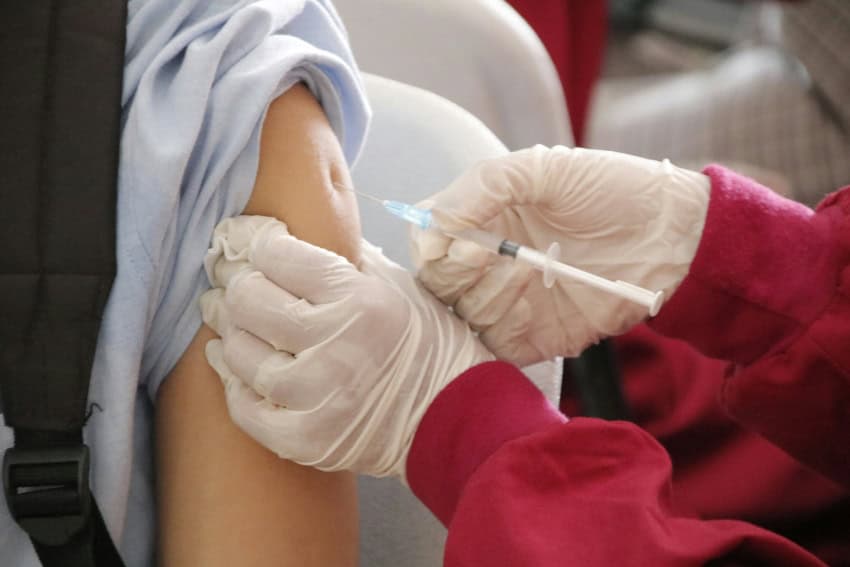
Mexico administers 30 million flu vaccines annually to prevent influenza and related complications. The Health Ministry launched the National Vaccination Campaign for the 2026-2027 fall and winter season on Oct. 12, and it runs until March 31, 2027. This year’s goal is to reduce and prevent respiratory illness complications during the cold and flu season by administering more than 50 million doses of vaccines against COVID-19, influenza and pneumonia.
Additionally, for the first time, the respiratory syncytial virus (RSV) vaccine is available to pregnant women between 32 and 36 weeks’ gestation. This intervention aims to protect the unborn child from the virus during the first few months of life. RSV is a common virus that typically causes mild, cold-like symptoms. However, infants and older adults with certain risk factors are more likely to develop severe illnesses or need hospitalization.
Free vaccination clinics are available across Mexico in local health clinics and gathering places. The Secretaría de Salud has an interactive map to help locate a clinic near you at dondemevacuno.salud.gob.mx, or you can call the toll-free number 079 for information about available sites. If you are not in a priority group for a free vaccine, you can purchase vaccines at private pharmacies and hospitals.
Leanna Coy is a contributor to Mexico News Daily.