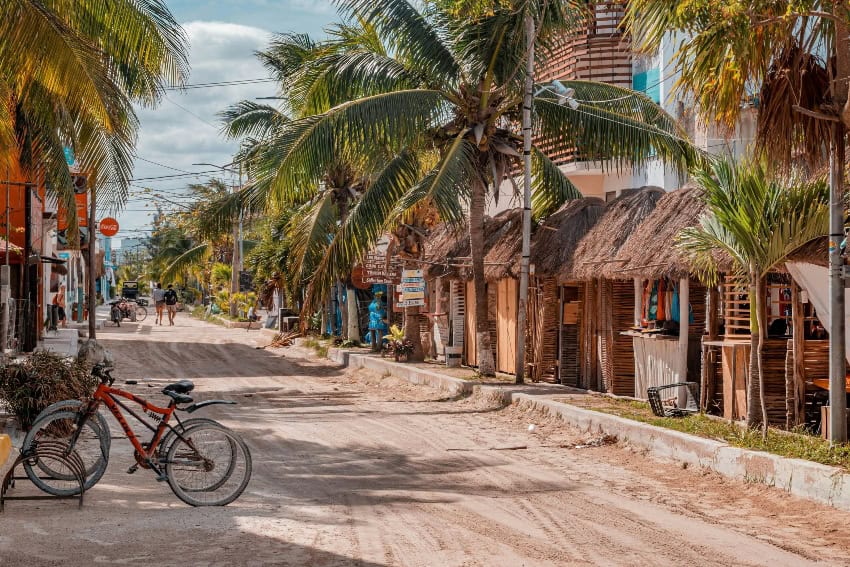
There’s something really special about standing on land surrounded by water but covered in huge pyramids and natural, deep pools. Beyond the turquoise waters of the Caribbean and the Riviera Maya, the Yucatán Peninsula holds major archaeological sites, ancient cenotes and some of the greatest flavors in Mexico.
The name Yucatán reportedly comes from the encounter of two completely different worlds. When Spanish colonizers arrived in this part of the country, locals were stunned by the conquistadors’ language and said two things in response: “ma’anaatik ka tánn” (I don’t understand you) and “uh yu ka t’ann” (listen to how they speak) — both expressions in the Mayan language. Supposedly, the Spanish misunderstood that the Maya were telling them where they were, but as time went by, Yucatán became the name of the peninsula and one of Mexico’s states.
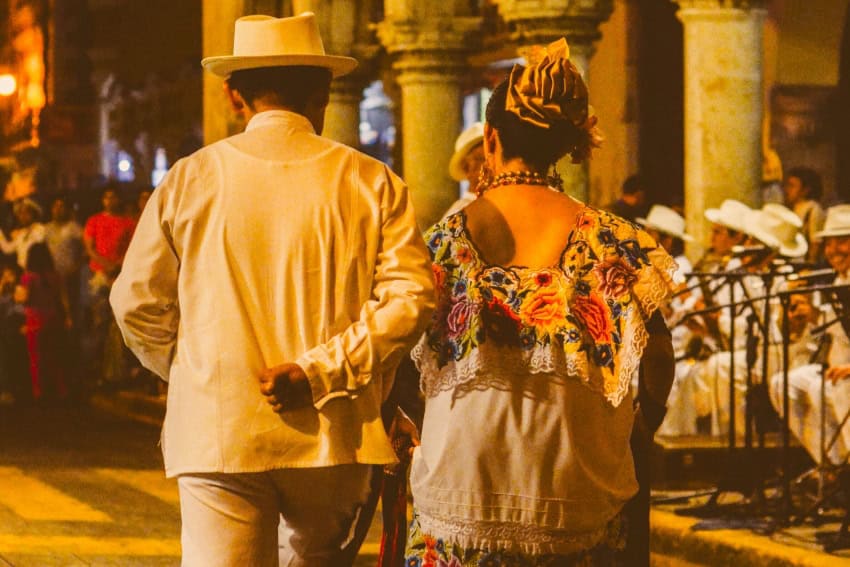
If you’re planning to stay more than a couple of days around Mérida, the capital of the state of Yucatán, the best idea is to rent a car to explore all the natural and human-made wonders the city and its surroundings have to offer.
Mérida
Among the most stunning Mexican destinations, Mérida is a city with low-rise buildings and high security ratings; it’s consistently listed as the safest city in Mexico. Whether you are a night owl or an early bird, Mérida will keep you safe so you can enjoy everything it brings to the table.
One of the stops that’s a must on your itinerary is the Mercado de Santa Ana, on Calle 47, right behind the park that gave the market its name. The food vendors at this community market offer a menu as broad as the crops that grow in the region. From traditional panuchos to colorful fruits, there’s something for every palate.
Once you’ve had breakfast, you can walk a few steps and find Paseo de Montejo, the Yucatecan “Champs-Élysées.”
Museums in Mérida
Although the “French fever” in Mexico is long gone, this corridor, named in honor of the Spanish conquistador Francisco de Montejo, features buildings such as Las Casas Gemelas, two luxurious mansions whose architectural plans even appeared in the French magazine La Construction Moderne, which highlighted their European style and design. Despite some changes being made, the interiors still resemble Parisian mansions, and they have turned into one of the most visited museums in the city.

Not far from Las Casas Gemelas, the same architect built Palacio Cantón, a colonial palace that now houses the Museo Regional de Antropología. Entering the building feels contradictory because while the walls and ceilings scream colonialism, the rooms display different temporary exhibits related to Mexican culture, popular traditions and Mesoamerican archaeology. It no longer has a permanent collection, as its treasures were moved to the Gran Museo del Mundo Maya, a 15-minute drive away from Palacio Cantón, on the way to Puerto Progreso.
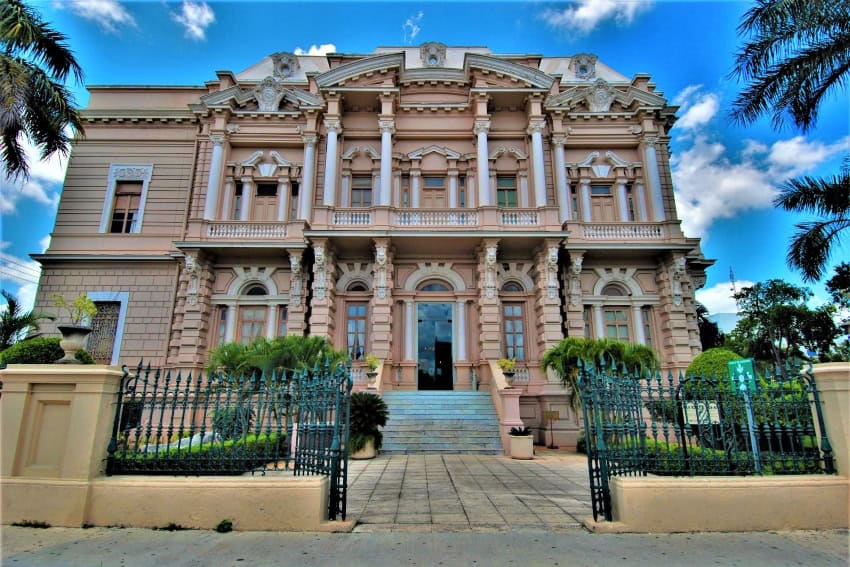
Even though this museum is located a bit far from the city center, the ride is worthwhile if you are a culture and history buff. The permanent collection holds 1,160 pieces from a wide swath of periods of Maya culture, including textiles, ceramics, jewelry and stelae.
Ice cream, dining and more
Back in the city center, enjoy a delicious sorbet at Sorbetería Colón, one of Mérida’s oldest ice cream shops. As you wait for night to fall, you can take a look at Fernando Castro Pacheco’s murals at the Palacio de Gobierno, which depict different stages of Mexican history and portray characters like Jacinto Canek, a Maya hero who rebelled against the landowners who exploited his people.
Before you leave, you must have dinner at the Museo de la Gastronomía Yucateca, a place to learn and eat at the same time. In every bite, you’ll get to know the ingredients that make this one of the best places to taste the peninsula’s cuisine. And, if you are a foodie, keep an eye on their social media to find out when you can witness the unearthing of the traditional cochinita pibil, a regional dish that’s cooked underground.
Merida’s ring of ancient cenotes
Before you leave the Yucatán peninsula, don’t miss out on seeing the pristine waters of a cenote. The Maya considered these natural underground pools a portal to the underworld, and it’s no wonder why: Cenotes — or sinkholes — are windows to the intricate water system that lies beneath the peninsula.
The formation of this ring of cenotes owes its existence to the same ancient asteroid that wiped out the dinosaurs. Its impact weakened the land around where it landed, leaving a lot of crumbling caves that became these amazing cenotes.
A fun fact: You can tell the age of a cenote by how open it is. The roof of the underground cave collapses with time, so as they age, they look less like a cave and more like a pond.
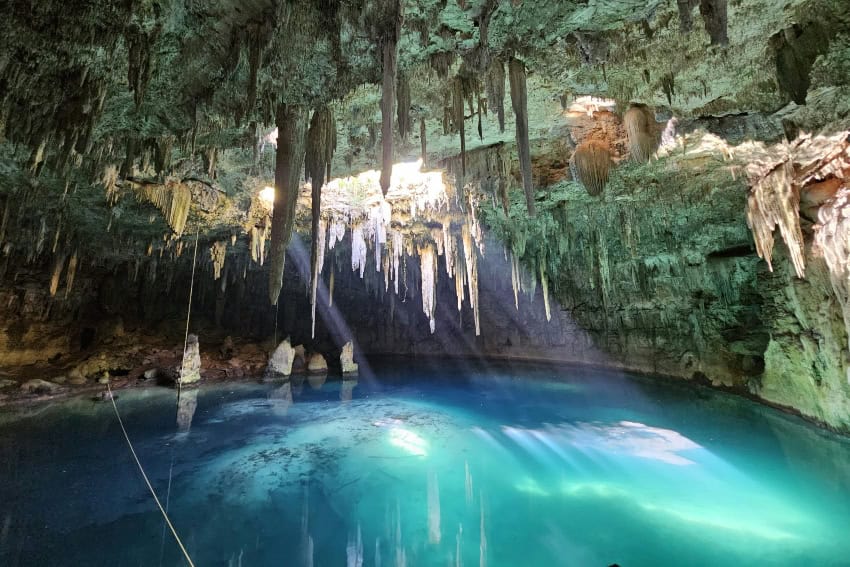
One of the best options for visiting various cenotes in a day is heading to the town of Cuzamá. This place is known for its route of three cenotes, with each one offering a completely different experience. Instead of walking, you can travel the route in small mule-drawn wagons, enjoying the natural beauty along the way.
As you enter these deep natural pools, beware of the damage that visiting can bring to them and the ecosystem they support. Avoid using chemical products like sunscreen, makeup or perfume. You’ll be shocked by the wonders cenote water can do for your skin!
Celestún
Puerto Progreso is the closest beach to Mérida, but if you’re willing to drive a little bit further, Celestún is a perfect place to see the ocean, not just for its beautiful sunsets and delicious food but also for the protected mangrove reserve there at Playa Norte.
Although an opportunity to walk in the Caribbean sand should never be dismissed, the mangrove at Celestún will be the highlight of the visit. As you go into this wetland forest, you’ll see all the species living in this ecosystem — from herons to iguanas. But perhaps the main characters of this landscape are the bright-pink flamingos that enjoy the mangrove’s waters.
Izamal
The community of Izamal is a beam of sunlight in the middle of Yucatán’s jungle. Even if you wanted to, it’s impossible to take your eyes off the yellow buildings that give the small town its nickname, “la ciudad amarilla.” It has also been called the “City of Three Cultures,” as it combines Mesoamerican constructions, colonial buildings and contemporary architecture.
A few blocks away from the town’s main square, you can find Kinich Kakmó, a huge architectural complex created by the local Maya between 400 to 700 A.D. This pyramid is one of the tallest Mesoamerican buildings in Mexico, and some interpretations of its name have suggested that it means “fire macaw with sun face,” referring to the unceasing sunlight that covers the town year-round.
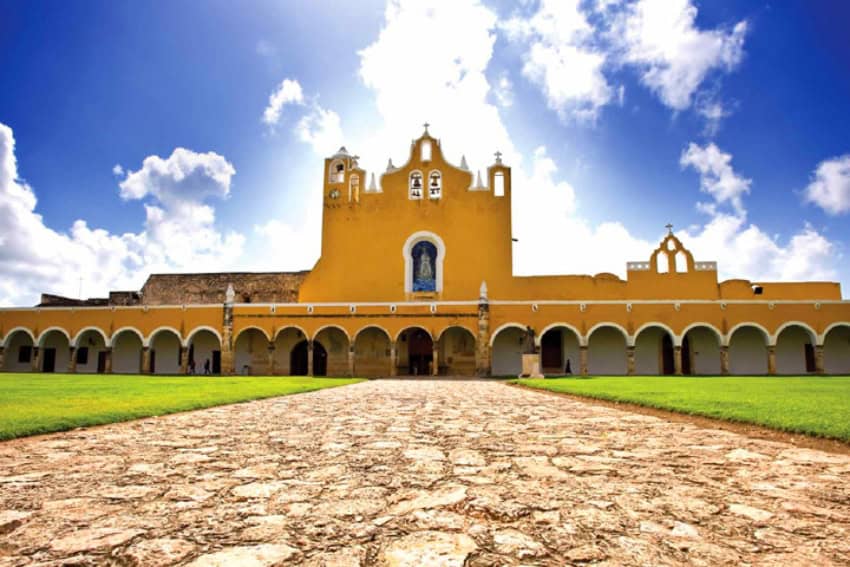
After a long walk around town, you can make a stop at Kinich Izamal, a restaurant whose menu is full of local recipes. It has a wooden kitchen with a dedicated area for making tortillas from scratch and some of the most traditional dishes of the region.
A week isn’t enough
Whether you come for history, nature or food, a week in Yucatán will not be enough, so be careful: Once you taste the peninsula’s charm, you might find yourself planning your return trip before you’ve even left.
Lydia Leija is a linguist, journalist, and visual storyteller. She has directed three documentary films, and her audiovisual work has been featured in national and international media. She’s been part of National Geographic, Muy Interesante, and Cosmopolitan.