The Cancún-Palenque tourist train announced last month by the incoming federal government has grown in terms of its route and its budget.
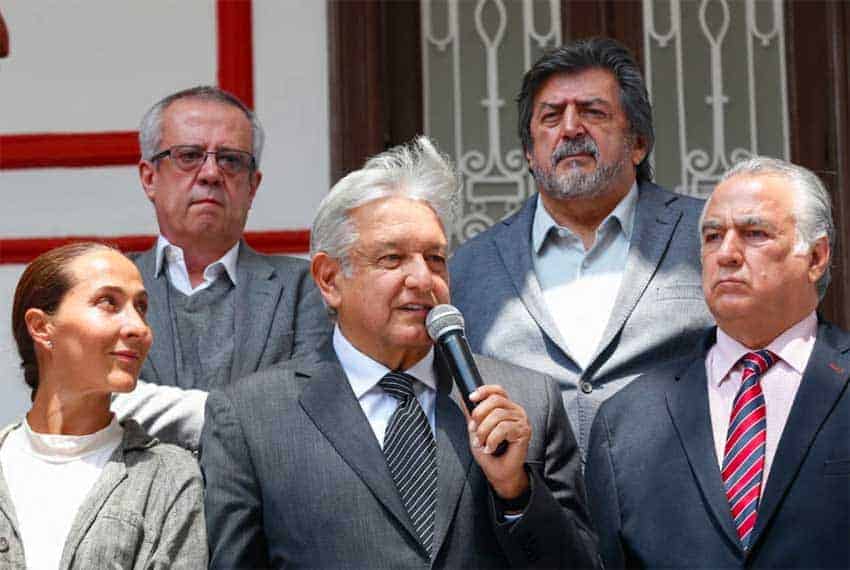
Incoming president Andrés Manuel López Obrador announced this afternoon that the original 830-kilometer route has been extended to 1,500 kilometers and will include new stops in Mérida and Valladolid in Yucatán and three more in Campeche.
The train’s route will run from Palenque, Chiapas, to Candelaria, Escárcega, Xpujil, Bacalar, Tulum and Cancún. Another leg will run from Cancún to Valladolid, Mérida and Campeche before connecting with the first leg in Escárcega.
The project’s earlier announcement came with a preliminary budget of 64.9 billion pesos (US $3.39 billion), but that has now doubled to an estimated cost of between 120 billion and 150 billion pesos.
López Obrador said a public-private partnership will be pursued, with the contribution of the former coming from tourism taxation revenues, which he said generate 7 billion pesos a year.
He intends to have the project, dubbed the Maya Train, ready to go to tender on December 1, the day he takes office, with completion in four years at the latest. That is down from the earlier prediction of a six-year-long construction project.
The president-elect also confirmed the appointments of two tourism officials.

Former Tabasco tourism director and federal tourism official Rogelio Jiménez Pons will head up the National Tourism Promotion Fund, known as Fonatur, while businesswoman-chef Gabriela Cámara will be general manager of the Tourism Promotion Council.
She is the owner of Contramar restaurant in Mexico City and Cala restaurant in San Francisco.
Source: El Financiero (sp)